
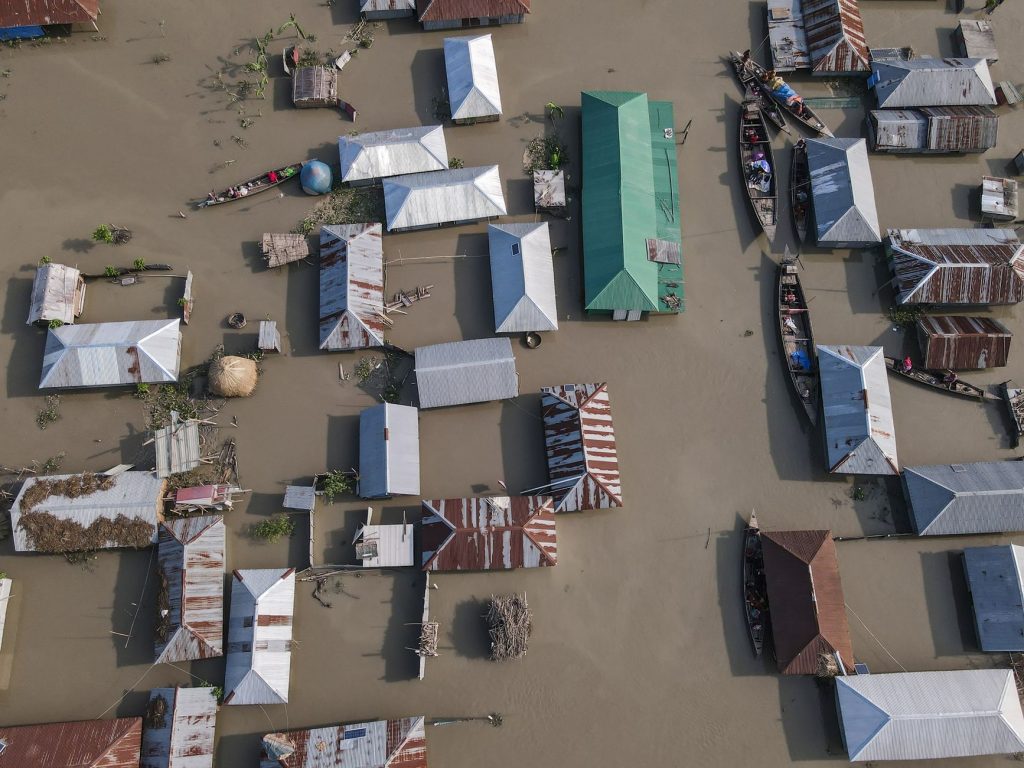
The monsoon, a lifeblood for India’s agriculture and a familiar rhythm in our lives, has turned into a relentless force of destruction across our northern borders. For many Indian families, the joy of a pilgrimage or a holiday in the picturesque landscapes of Nepal has tragically transformed into a harrowing wait for news, as devastating floods and landslides have swept through the Himalayan nation.
Devastating Toll and Apprehension Back Home
The sheer scale of the tragedy unfolding in Nepal is heart-wrenching. Official reports confirm that at least 160 lives have been lost to the fury of nature. However, the true extent of the disaster is still being pieced together, with a staggering 844 people currently reported missing. Among these missing individuals, a deeply concerning number – at least 133 – are Indian citizens. This figure underscores the strong familial and tourism ties between our two nations, amplifying the anxiety felt across countless Indian households.
Search and Rescue Operations Intensify Amidst Challenges
Rescue teams, both Nepalese and international, are battling treacherous conditions to reach affected areas. The landslides have obliterated roads and communication lines, making the task of locating survivors and providing aid an immense challenge. The Indian government has pledged full support, with search and rescue operations underway, and efforts being made to identify and account for all Indian nationals caught in the calamity. The priority remains to bring succor to those affected and to reunite families with their loved ones.
Expert Insights: Climate Change and Vulnerable Regions
This catastrophic event serves as a stark reminder of the increasing vulnerability of regions like the Himalayas to extreme weather events. Climate scientists have long warned about the amplified impact of climate change on mountainous terrains, leading to more unpredictable and intense rainfall, and a higher risk of landslides. Experts suggest that improved early warning systems, robust disaster preparedness plans, and sustainable development practices are crucial for mitigating future risks in these sensitive ecosystems. The interconnectedness of our regions means that such disasters in neighboring countries can have significant ripple effects, both human and economic, for India as well.