
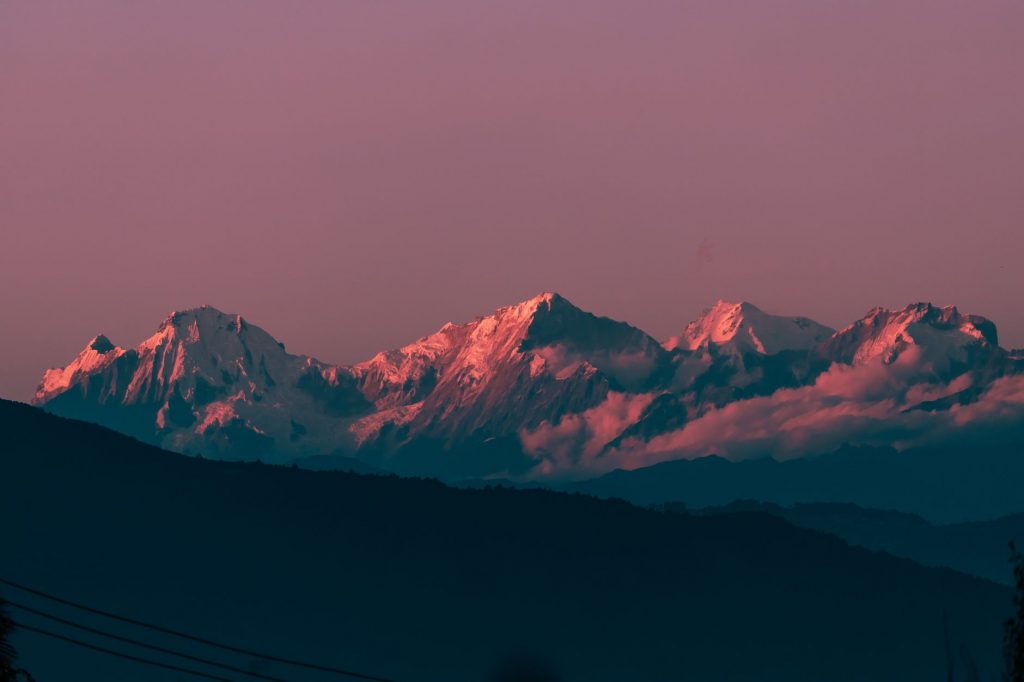
In a move that has raised eyebrows across South Asia, Nepal’s newly formed government, helmed by a youthful leadership, finds itself walking a tightrope, deftly juggling the competing interests of its giant neighbours, India and China, while simultaneously confronting the escalating threat of the climate crisis.
A Delicate Geopolitical Dance
Kathmandu, nestled in the Himalayas, has always been a crucial geopolitical pivot. Now, with a young and dynamic administration at the helm, the nation is grappling with how to harness its strategic location without alienating either New Delhi or Beijing. Both regional powers vie for influence in Nepal, offering infrastructure development and economic aid, but often with strings attached. The current government’s challenge is to secure these benefits without becoming overly dependent on one, thereby preserving its sovereignty and pursuing its national interests. This delicate balancing act is not new, but the current leadership’s fresh approach, coupled with the heightened global focus on climate change, adds a unique dimension to this enduring diplomatic puzzle.
Climate Change: A Growing Imperative
Beyond the geopolitical complexities, Nepal faces an existential threat from climate change. As a landlocked nation heavily reliant on its natural resources, particularly its glaciers and rivers, the impact of rising global temperatures is starkly visible. Melting glaciers threaten water security and increase the risk of devastating floods. The government, despite its youth, is acutely aware that addressing this crisis is paramount for the nation’s future. This necessitates not only domestic policy changes but also active participation in international climate forums, where Nepal’s voice, though small, carries significant moral weight due to its vulnerability.
Implications for India
For India, Nepal’s strategic alignment and its approach to climate change have direct implications. A stable and friendly Nepal is crucial for India’s security and economic interests, particularly in border management and water resources. New Delhi has historically viewed Nepal as part of its extended neighbourhood and seeks to maintain its pre-eminent position. However, China’s growing economic clout and infrastructure projects in Nepal present a challenge to this traditional influence. Furthermore, climate-induced disasters in Nepal could have spillover effects on India, necessitating coordinated disaster management and adaptation strategies. India’s ability to positively engage with Nepal on its development aspirations while respecting its autonomy will be key to navigating this evolving landscape.