
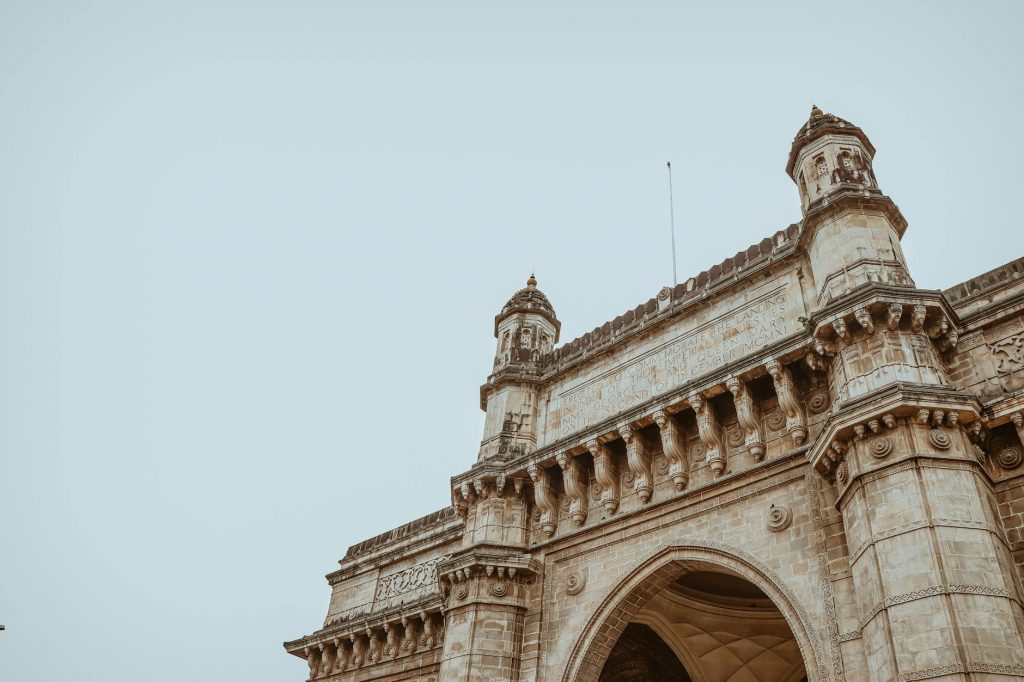
India’s top judge just sent a clear message about what the new Bombay High Court building should look like — and it’s not a five-star resort.
Chief Justice of India Dhananjaya Y. Gavai has warned against turning the upcoming court facility into something that looks more like a luxury hotel than a place where justice happens. His concern? That architectural grandeur might overshadow the real purpose of courts in a democracy.
Why this matters right now
The new Bombay High Court building is being planned as a modern facility. With massive budgets and contemporary designs becoming standard for government projects, there’s a real risk that aesthetics could take priority over functionality and accessibility.
The CJI’s point is straightforward: courts belong to ordinary Indians — not just the wealthy and privileged. When we build palatial structures that feel intimidating or exclusive, we’re sending the wrong message about justice.
Think about it. If a farmer from rural Maharashtra or a small trader needs to approach the court, the building shouldn’t make them feel like they’re entering a place meant for the elite. A court should feel dignified, yes. But it should also feel open and approachable.
What this really means
The CJI is essentially asking architects and planners to balance form and function. The building needs to be architecturally sound and built to last, but every choice — from materials to layout to design elements — should prioritize the delivery of justice.
This isn’t just about aesthetics. It’s about what message India’s judicial buildings send to its citizens. When courts look cold, imposing, or unnecessarily luxurious, it can discourage people from seeking justice.
The judiciary in India already faces massive backlogs. Thousands of cases pile up in courts across the country. Adding a building that’s difficult to navigate or intimidating to enter only compounds the problem.
What the CJI is pushing for is practical design. Wide corridors for better movement. Courtrooms with proper acoustics so evidence is heard clearly. Waiting areas that don’t feel like you’re in a corporate lobby. Accessibility features for people with disabilities.
These elements cost money, sure. But they cost less than turning a court complex into an architectural showpiece.
The real test will be how the blueprint for the new Bombay High Court actually takes shape. Will planners listen to the top judge’s message, or will budget pressures and architectural ambitions lead to something that looks impressive but functions poorly? India’s overworked judicial system deserves a building designed for justice, not Instagram photos.