
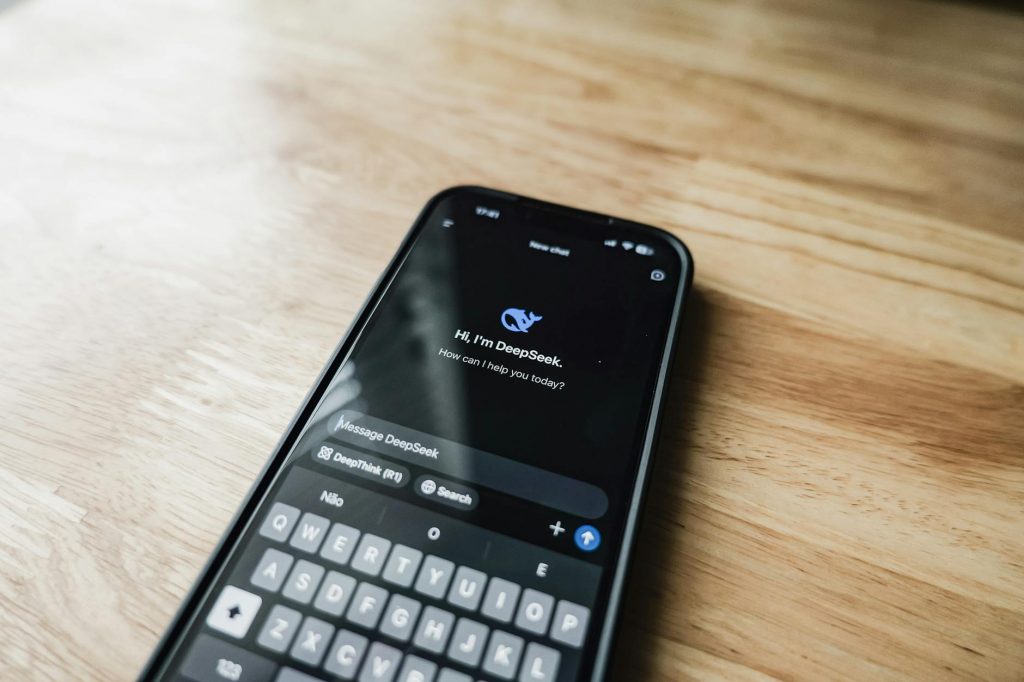
OpenAI, the company behind ChatGPT, is now building its first hardware device and plans to launch it within the next two years. This is a major shift for the company — until now, they’ve focused purely on software and AI models that run on phones and computers.
What This Device Could Be
Nobody knows exactly what OpenAI’s device will look like yet. It could be a handheld gadget like a phone, a smart speaker similar to Amazon’s Alexa, or something completely new that we haven’t seen before. The company is still in the prototype stage, meaning they’re testing different ideas and designs.
What makes this interesting is that OpenAI is taking a page from Apple’s playbook. Apple built both software and hardware together to create products that work seamlessly. OpenAI might be thinking the same way — they want to create a device that runs their AI in the best possible way.
Why This Matters for Indians
For India, this could be significant. Right now, most Indians use AI through apps on their phones or websites. A dedicated OpenAI device could change how we access AI technology — making it more convenient and possibly cheaper.
Think about it this way: instead of going to ChatGPT’s website every time, you could just pick up a device and talk to it. It could help with everything from learning English to solving math problems to getting business advice. Indian startups and students could especially benefit from this.
There’s also the business angle. When companies build their own hardware, they control the entire experience and can earn more money. This could make OpenAI compete directly with companies like Google, Apple, and Amazon — all of whom are racing to dominate the AI hardware space.
What Happens Next
OpenAI says the device will arrive in less than two years, probably sometime in 2026 or early 2027. Before that, we’ll likely see rumors, leaks, and maybe official hints about what it actually is.
The big question is pricing. Will it be affordable for average Indians, or will it be a premium product? Also, will it work offline, or will you need the internet all the time? These details will decide how successful it becomes.
For now, this is OpenAI’s signal that they’re not just a software company anymore. They want to be everywhere — in the apps you use, on the devices you hold, and in your daily life. As AI technology becomes more powerful and more companies jump into hardware, the next few years are going to be fascinating for anyone paying attention to this space.