
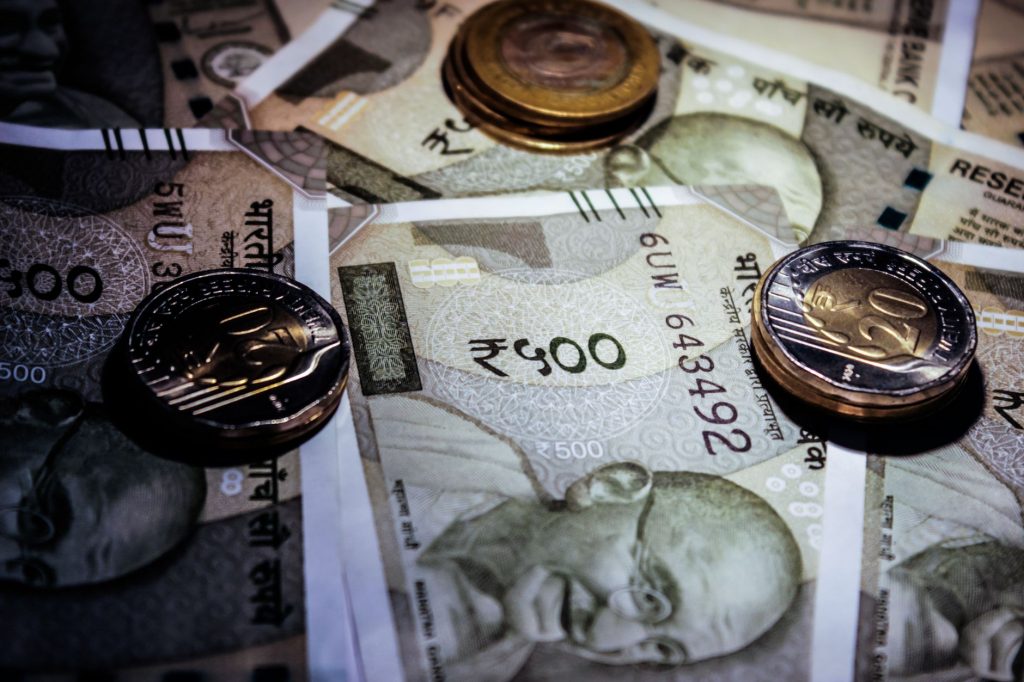
Imagine waking up to find your daily cup of chai costing more than usual. Not exactly the kind of start you’d want to your day, right? The truth is, rising prices affect every Indian, and it’s no secret that our economy has been facing some challenges lately. But in a bid to turn things around, the Prime Minister has been meeting with his Economic Advisory Council to brainstorm ways to boost growth.
The meeting, which was held at the Prime Minister’s Office in New Delhi, was attended by some of India’s top economists and experts. Together, they identified several areas where the government could intervene to stimulate economic activity. One key area of focus is on improving the country’s manufacturing sector, which has been struggling to compete with foreign imports.
Economic Advisory Council: The Think Tank Behind the Numbers
The Economic Advisory Council (EAC) is a group of experts appointed by the Prime Minister to provide advice on economic policy. Chaired by Dr. Bibek Debroy, a leading economist and member of the NITI Aayog, the EAC has been instrumental in shaping the government’s economic agenda. With a combined experience of over 100 years in the field of economics, the members of the EAC have a deep understanding of the complex issues facing our economy.
At the meeting, the EAC members presented a comprehensive report outlining the challenges facing the economy and recommending a range of policy interventions to address them. The report highlights the need for structural reforms in key sectors such as agriculture, industry, and services. It also emphasizes the importance of investing in human capital and infrastructure to create a more competitive and inclusive economy.
While the specifics of the report are yet to be made public, sources close to the Prime Minister’s Office have hinted that some of the key recommendations may include measures to ease business regulations, reduce bureaucratic red tape, and increase access to finance for small and medium-sized enterprises (SMEs). These are exactly the kind of policies that can help create jobs, increase productivity, and boost economic growth.
So, what does this all mean for you and me? In simple terms, it means that the government is taking steps to address the root causes of our economic slowdown. By investing in key sectors and implementing policy reforms, the Prime Minister is hoping to create a more favorable business environment that can attract investment, create jobs, and stimulate economic growth.
The Road Ahead: Challenges and Opportunities
The journey to economic growth will not be easy, and there are many challenges ahead. One of the biggest hurdles is the slowing down of economic growth in key sectors such as manufacturing and services. This has led to a rise in unemployment, particularly among young people. Additionally, the country is facing a significant fiscal deficit, which can make it difficult to implement policies that benefit all sections of society.
Despite these challenges, there are also opportunities for growth. The government’s focus on digitalization and innovation has created a thriving startup ecosystem that is driving economic growth. Additionally, the country’s demographic dividend – with a large young population – presents a huge opportunity for growth and development.
As the Prime Minister continues to work with his Economic Advisory Council to chart a course for economic growth, one thing is clear: the future of India’s economy is bright, but it will require careful planning, implementation, and execution. By working together, we can create a more prosperous and inclusive economy that benefits all Indians.