
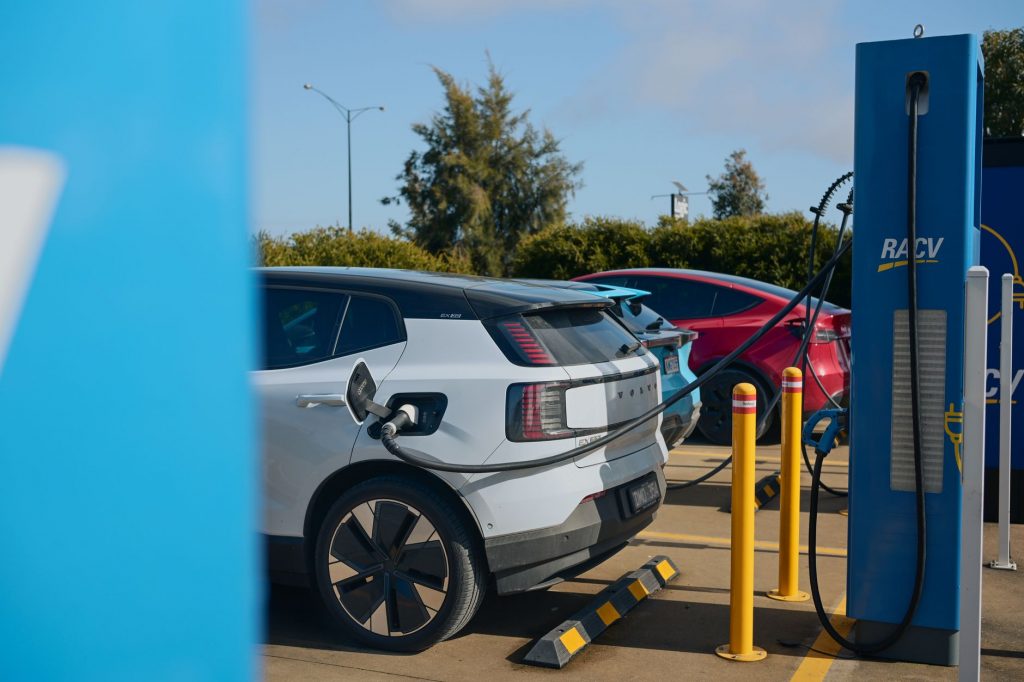
Imagine a future where India’s roads are filled with electric vehicles, reducing our reliance on fossil fuels and creating a cleaner environment for our children. Sounds like a dream, but it’s a reality that’s within our reach. Prime Minister Narendra Modi’s recent tour of Indonesia and Australia has brought India one step closer to achieving its electric vehicle (EV) ambitions.
The tour, which took place in mid-June, was a significant diplomatic effort aimed at strengthening India’s relationships with two key nations in the Asia-Pacific region. But what’s the connection between these two countries and India’s EV dreams? To understand this, let’s take a closer look at the EV landscape in India.
India’s EV Goals: What’s at Stake?
India has set ambitious targets to transition to electric vehicles, with a goal of having 30% of all new car sales be electric by 2030. To achieve this, the government has introduced several incentives, including tax breaks, subsidies, and investments in EV infrastructure. But despite these efforts, India still lags behind other countries in terms of EV adoption. The lack of charging infrastructure, high battery costs, and limited availability of affordable EV models have been major roadblocks.
That’s where Indonesia and Australia come in. Both countries have made significant strides in the EV space, with Indonesia aiming to have 1 million EVs on its roads by 2025 and Australia setting a target of 50% of new car sales being electric by 2030. By building relationships with these countries, India can learn from their successes and challenges, and gain a better understanding of the EV landscape.
Indonesia-Australia Tour: What Did PM Modi Achieve?
During his tour, PM Modi met with Indonesian President Joko Widodo and Australian Prime Minister Anthony Albanese to discuss a range of issues, including trade, security, and climate change. The two nations signed several agreements aimed at boosting cooperation in areas like renewable energy, electric vehicles, and sustainable infrastructure. PM Modi also interacted with Indian entrepreneurs and business leaders who are working on EV projects in these countries.
The agreements signed during the tour will help India in several ways. For one, they will facilitate the import of EV components, reducing costs and making Indian EVs more competitive in the global market. Additionally, the collaborations will enable India to access new technologies and expertise in areas like battery development and charging infrastructure.
But perhaps the most significant outcome of the tour was the emphasis on sustainable infrastructure. Both Indonesia and Australia have made significant investments in renewable energy and sustainable infrastructure, and India can learn from their experiences. By adopting similar strategies, India can create a robust EV ecosystem that supports the growth of the industry.
Expert Context: What’s Next for India’s EV Ambitions?
According to Dr. Anumita Roychowdhury, Director of the Environment Programme at the Centre for Science and Environment, ‘India’s EV ambitions are closely tied to its ability to develop a robust ecosystem that supports the growth of the industry. The Indonesia-Australia tour was a crucial step in this direction, as it brought India closer to accessing new technologies and expertise that will drive EV adoption.’
While the tour was a significant diplomatic effort, the real challenge lies ahead. India needs to create a conducive environment for EV growth, with investments in charging infrastructure, incentives for manufacturers, and a supportive policy framework. By learning from Indonesia and Australia, India can create a more sustainable and equitable EV ecosystem that benefits all Indians.
As India embarks on this journey, it’s essential to remember that the transition to electric vehicles is not just a technological challenge, but also a social and economic one. By working together and leveraging the expertise of other countries, we can create a brighter future for ourselves and for generations to come.
So, the next time you see an electric vehicle on the road, remember that it’s not just a car – it’s a symbol of India’s commitment to a cleaner, greener future.