
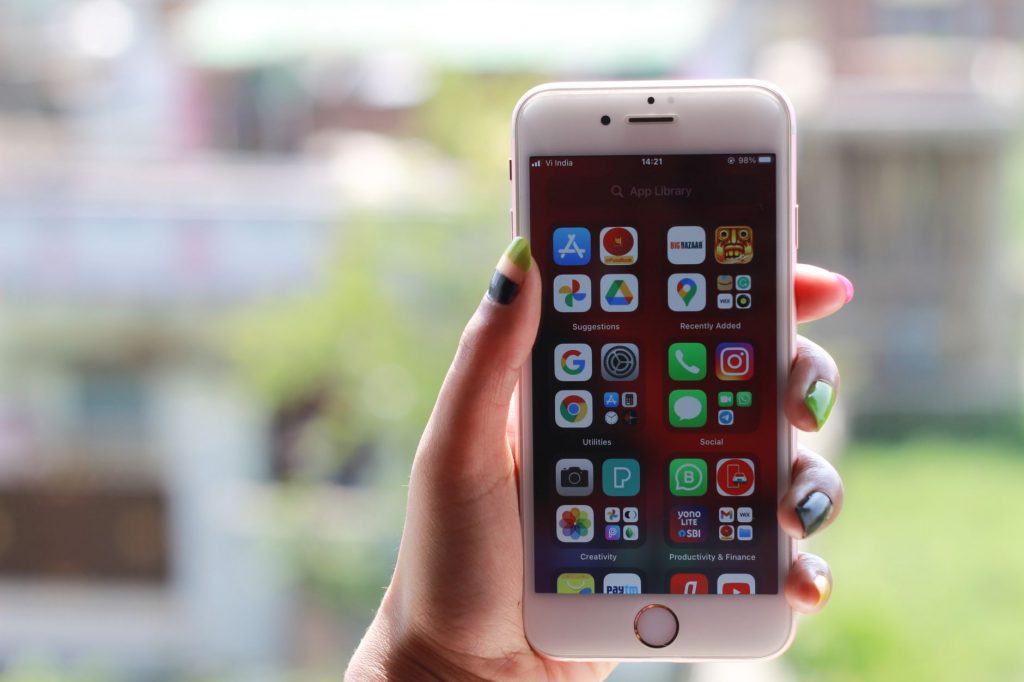
Remember when your younger cousin, barely out of school, was glued to their phone, scrolling through endless reels and TikTok videos? Many of us have seen this scene play out in our own families. Now, imagine a world where that might change for children under 16. In a significant announcement that has sent ripples across the nation, the Prime Minister has revealed plans to implement a ban on social media access for individuals below the age of 16.
Why This Ban?
The primary reason behind this bold decision appears to be the growing concern over the impact of social media on the mental health and overall well-being of young people. Experts and parents have long voiced worries about issues like cyberbullying, exposure to inappropriate content, and the addictive nature of these platforms. The government believes that by restricting access for those under 16, they can create a safer digital environment for children to grow and develop without these pressures.
What Does This Mean for Young Indians?
This proposed ban would mean that platforms like Instagram, Facebook, X (formerly Twitter), and others would need to put in place stricter age verification measures. Children under 16 would no longer be able to create accounts or access these services. The government is likely to work with social media companies to ensure compliance, and details on how this will be enforced are expected to be released soon. This could potentially lead to a significant shift in how teenagers interact online and spend their leisure time.
Expert Views and Future Implications
Child psychologists and educationists have largely welcomed the move, stating that it could provide much-needed respite for young minds. Dr. Anjali Sharma, a child psychologist, commented, “This is a step in the right direction. Our young generation is growing up in a world dominated by screens, and it’s crucial to protect their formative years from the potential harms of unrestricted social media use.” However, some also raise questions about the practicalities of enforcement and the potential for children to find workarounds. The long-term effects of this ban on digital literacy and social interaction among the youth will be keenly watched.
This announcement signals a serious intent from the government to address the challenges posed by the digital age to its youngest citizens. While the exact implementation details are still emerging, the core message is clear: the protection of children online is now a top priority.