
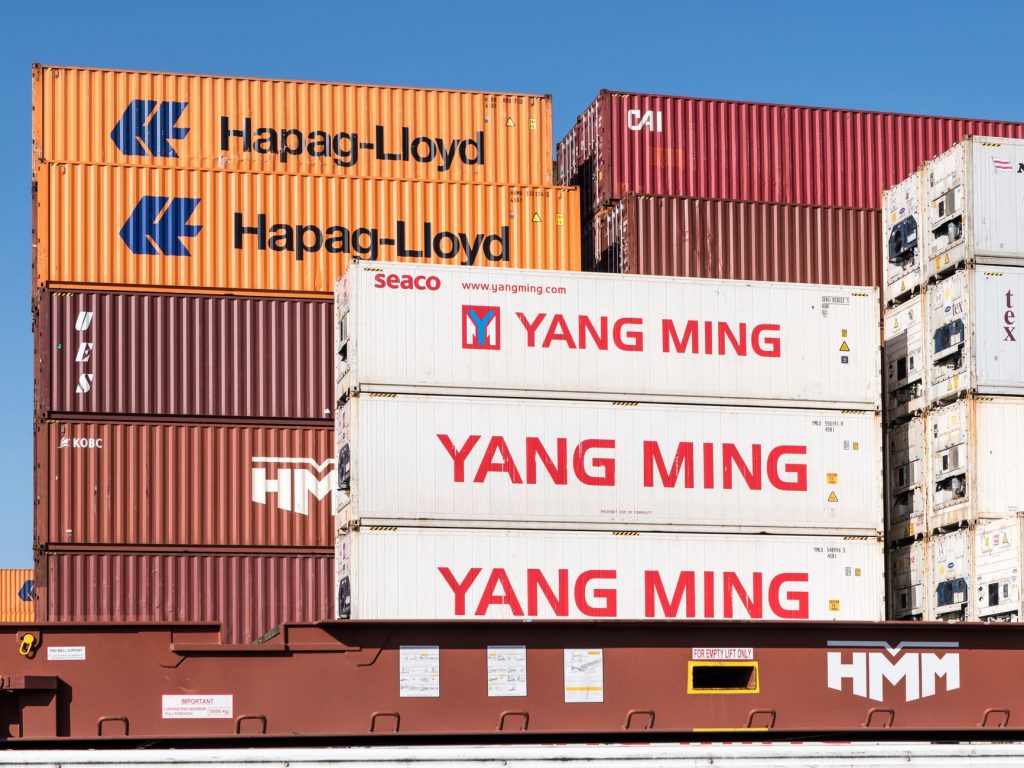
Imagine you’ve just wrapped up a big meeting with a potential client for your small business. You’ve got your product ready, and all you need to do is get it to the port on time to ship it out. But, as you rush to the port, you hit a jam. The port is congested, and you’re stuck in a never-ending line of trucks.
For Indian exporters, this scenario is all too real. Port congestion has become a major headache, leaving businesses staring at higher storage bills and worrying about meeting their export deadlines. The latest data shows that India’s major ports are operating at 80-90% capacity, with some ports experiencing congestion levels as high as 120%.
Why Is Port Congestion a Big Deal?
Port congestion is a major bottleneck in India’s export supply chain. When ports are congested, it takes longer for containers to be unloaded and loaded onto ships, leading to delays and increased costs. For exporters, this means higher storage bills, as they have to pay to keep their containers in warehouses for longer periods.
The impact is felt throughout the supply chain. Manufacturers have to absorb the costs of delayed shipments, which can eat into their profit margins. Consumers, meanwhile, may face higher prices for goods as manufacturers pass on the costs to them.
The Experts Weigh In
Industry experts say that the root cause of port congestion lies in the country’s infrastructure and logistics. ‘India’s port infrastructure has not kept pace with the country’s growing trade volumes,’ says Rohan Gupta, a logistics expert. ‘We need to invest in modernizing our ports and improving our logistics infrastructure to prevent congestion.’
Another expert, Rajiv Agarwal, a trade analyst, points out that the congestion is not just a port issue. ‘It’s a supply chain issue. We need to look at the entire supply chain, from manufacturing to distribution, to identify the bottlenecks and improve efficiency.’
What’s Next?
So, what can be done to alleviate port congestion? The government has announced plans to invest in port modernization and improve logistics infrastructure. The Shipping Ministry has also launched a plan to increase the capacity of major ports by 30% in the next two years.
For exporters, the wait continues. They’re watching the situation closely, hoping that the government’s plans will bear fruit soon. ‘We’re keeping our fingers crossed that the government will deliver on its promises,’ says a representative from a leading export firm.
Until then, businesses will have to continue to navigate the challenges of port congestion, looking for ways to mitigate the costs and delays. It’s a difficult situation, but one that requires a coordinated effort from all stakeholders to resolve.