
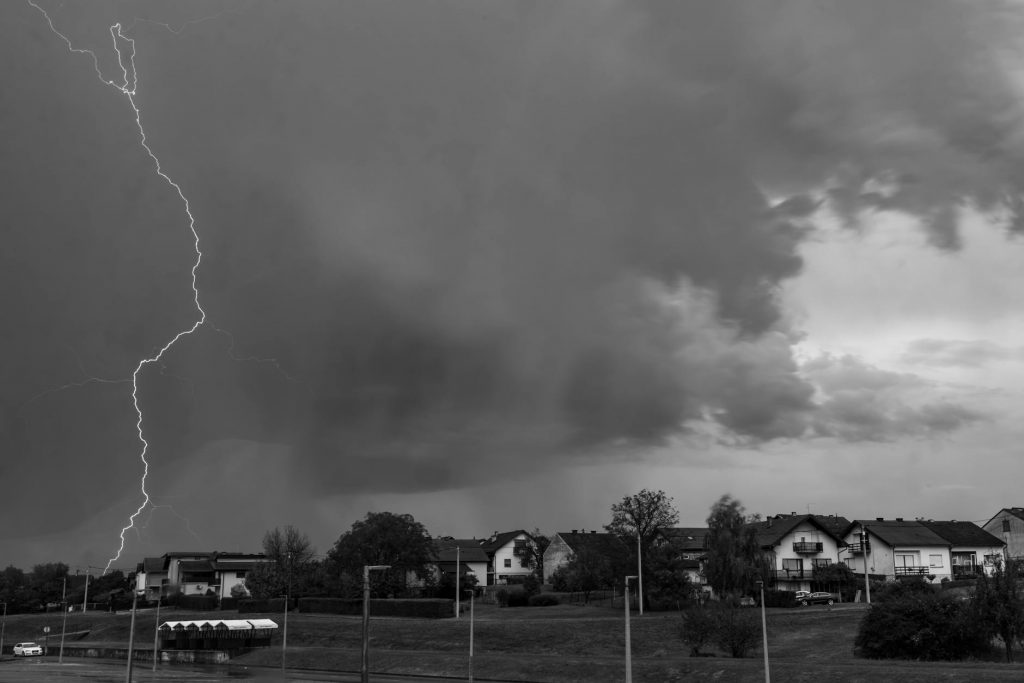
Pune woke up to an unusual sight on Tuesday morning — streets covered in hail as heavy rain and thunderstorms swept across the city. The India Meteorological Department has now sounded an alert for severe thunderstorms and heavy rainfall across multiple districts in Maharashtra over the next 48 hours.
The unexpected weather system caught many residents off guard. Heavy downpour combined with strong winds damaged a few structures and uprooted trees in several localities. Commuters faced delays as roads turned waterlogged within minutes.
What the IMD is Predicting
The meteorological authority has issued a yellow alert for thunderstorms, hail, and heavy rainfall across Maharashtra’s coastal and inland regions. While Pune bore the brunt of Tuesday’s hailstorm, the warning now extends to nearby districts including Nashik, Ahmednagar, and Solapur.
Forecasters attribute this unusual weather pattern to a western disturbance interacting with moisture from the Arabian Sea. Such systems are increasingly common during the transition between seasons, they note.
Residents should expect intermittent heavy spells over the next couple of days, with thunderstorms likely in the evenings. Wind speeds could touch 40-50 km/hour in isolated pockets.
Why This Matters for You
If you’re in Maharashtra, this is the moment to secure loose outdoor items and avoid unnecessary travel during peak downpours. Schools and offices should have contingency plans ready — waterlogging can disrupt commutes significantly in urban areas.
For farmers, the excessive rainfall could impact standing crops. Agricultural extensions are advising farmers to drain excess water from fields immediately and postpone any pesticide spraying until conditions improve.
The bigger picture here is how unpredictable our weather has become. These sudden, intense weather events are becoming the new normal. Pune, which typically sees moderate rainfall during this season, was caught off guard by a full hailstorm — something that doesn’t happen every year.
Meteorologists recommend staying updated through official IMD channels rather than relying on social media weather predictions. Download the official IMD app or follow their regional offices on Twitter for real-time updates specific to your area.
Keep emergency numbers handy — your local disaster management authority, fire department, and nearest hospital. Avoid using mobile phones during thunderstorms, even indoors, and stay away from windows during strong winds.
The good news? This system should move away by Wednesday evening, bringing relief to most parts of the state. But as climate patterns shift, staying weather-aware isn’t just smart — it’s becoming essential for safety.