
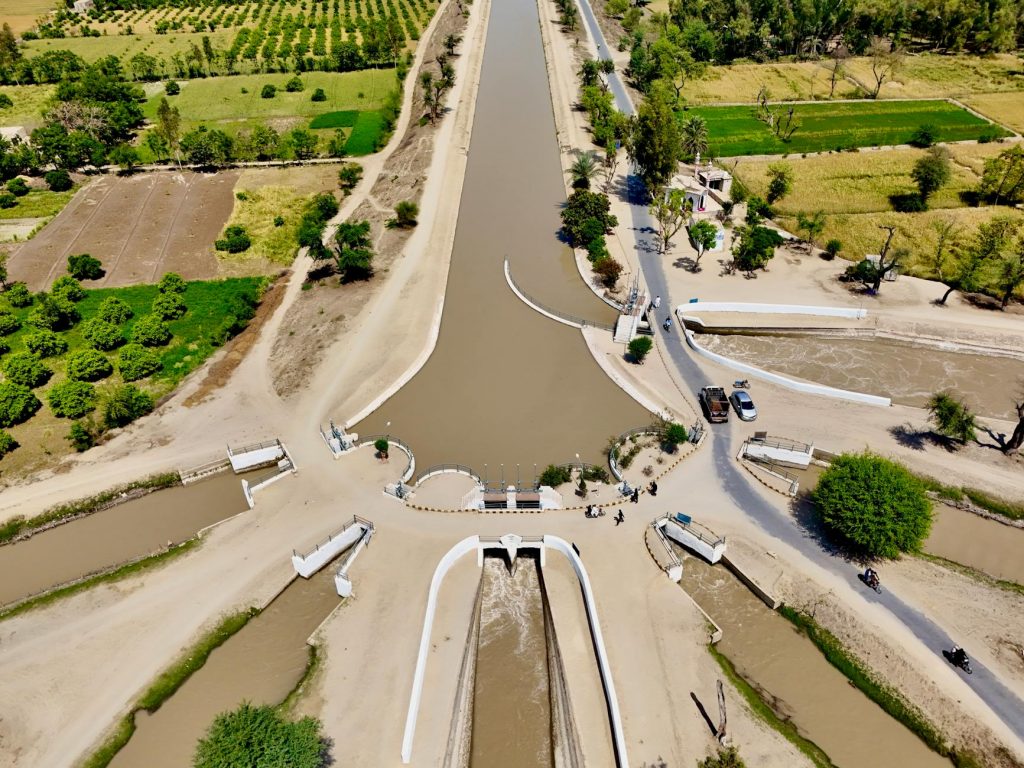
Two neighboring states are finally sitting down to talk about one of India’s longest-running water disputes. The Chief Ministers of Punjab and Haryana met on January 27 to discuss the Sutlej-Yamuna Link canal — a project that has divided these states for nearly four decades.
This isn’t just another bureaucratic meeting. The SYL canal is supposed to transfer water from Punjab’s Sutlej river to Haryana’s dry regions. But Punjab has resisted it fiercely, blocking construction and refusing to release water, while Haryana desperately needs it for agriculture and drinking water.
What’s the Real Problem?
Punjab fears losing water to a neighboring state when its own farmers depend on every drop for crops like rice and wheat. Meanwhile, Haryana’s vast agricultural belt and growing cities face serious water shortages. It’s a classic case where both states have legitimate concerns, but neither wants to compromise.
The dispute has been stuck in courts, Parliament, and various committees for decades. Multiple governments have tried and failed to resolve it. Construction on the canal started in the 1980s but stopped in 1990 after massive protests in Punjab.
This January meeting signals something different — both governments seem willing to at least talk directly. That’s progress, even if it doesn’t guarantee a solution.
Why You Should Care
Water conflicts between states don’t stay confined to conference rooms. They affect food prices you pay at the market, electricity costs, and long-term agricultural stability across North India.
Punjab produces much of India’s wheat and rice. If water stress forces farmers to switch crops or reduce output, it impacts national food security and inflation. For Haryana, inadequate water means less agricultural productivity and potential drinking water crises in cities like Faridabad and Gurgaon.
Beyond these two states, the SYL dispute sets a precedent for how India handles interstate water-sharing. The country has similar conflicts brewing — between Karnataka and Tamil Nadu over the Cauvery, between Maharashtra and Karnataka over the Krishna river. How Punjab and Haryana resolve this could influence all of them.
The meeting itself doesn’t guarantee resolution. Past attempts by multiple committees and even the Supreme Court haven’t worked because the fundamental problem remains: there isn’t enough water to satisfy everyone’s demands the way they currently operate.
Still, dialogue matters. It keeps the door open for creative solutions — like water conservation technology, crop pattern changes, or phased implementation deals that both states might eventually accept.
The coming weeks will show whether this January meeting translates into actual progress or just another round of talks that fade into silence.