
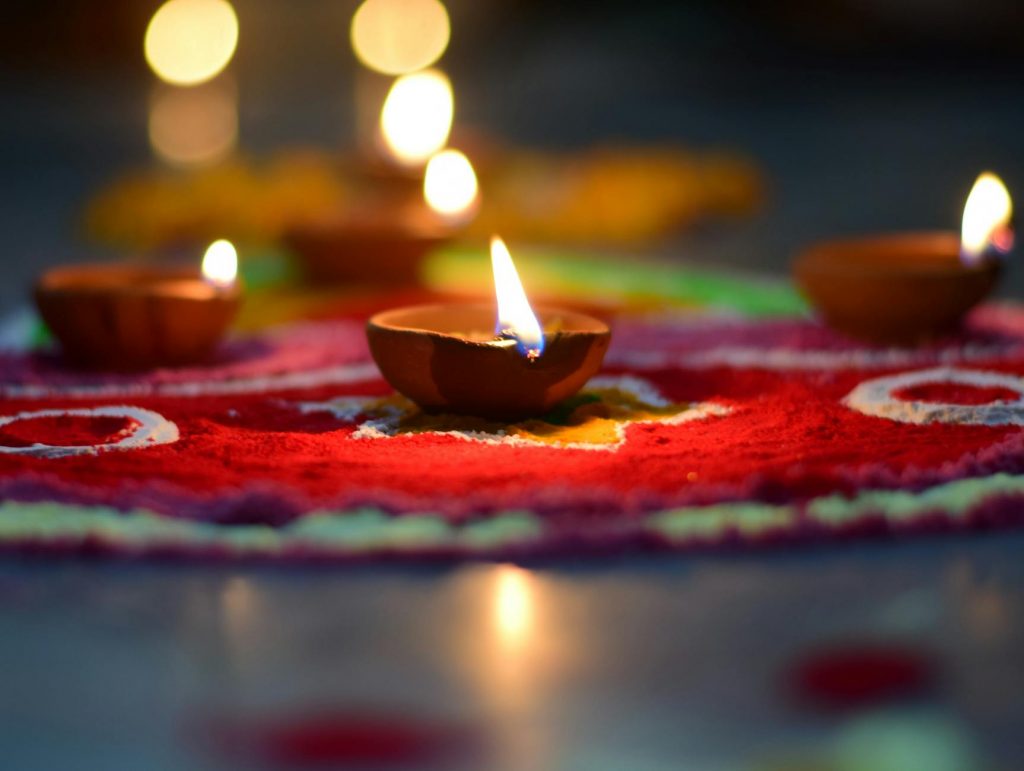
The streets of Chandigarh, Ludhiana, and Faridabad are drowning in a sea of earthen lamps and colourful decorations this week, with families pulling out all the stops to celebrate Diwali in style. What’s striking is how the festive energy has extended well beyond homes—markets are packed, temples are overflowing, and even traffic congestion has become a celebration in itself, with vehicles decked out in lights and rangoli colours.
The two states have seen a palpable shift in consumer behaviour this Diwali season. Shopkeepers across Punjab report that people are spending more on home décor and gifts compared to last year, suggesting confidence in household finances despite economic uncertainties. Sweet shops in Amritsar and confectioneries across Haryana are working overtime, with families ordering traditional mithai—from barfi to gulab jamun—weeks in advance.
Markets Buzzing, But Pollution Concerns Linger
Walk through any mohalla in Ludhiana or Gurgaon right now, and you’ll see vendors selling everything from traditional diyas to LED lights to imported decorative pieces. The festive shopping frenzy has given a shot in the arm to local retailers who struggled during slower months. Shopkeepers say they’re expecting their peak sales to continue through Diwali week itself.
Yet there’s a shadow side that residents can’t ignore. Delhi’s air quality typically plummets during this period, and Punjab and Haryana—sitting upwind—often bear the brunt of stubble burning season combined with festive pollution. Environmental groups have renewed their appeals to avoid firecrackers, though many families continue with celebrations on a smaller scale this year.
Traditions Meet Modern Celebrations
What’s interesting is how celebrations are evolving. While older generations insist on traditional rituals—Lakshmi pujas, lighting diyas at dusk, the full nine days of preparation—younger residents are mixing customs with contemporary twists. Social media is flooded with photos of Instagram-worthy rangolis and aesthetically curated home décor that blend heritage with modern design sensibilities.
Religious places remain the heart of these celebrations. Temples in Punjab are seeing record footfalls, with devotees starting their Diwali season with spiritual observances before diving into the festivities. In Haryana, especially in cities like Hisar and Rohtak, community gatherings have become as important as family celebrations.
For most Indians across these regions, Diwali represents more than just a festival—it’s a reset button. The season of new clothes, fresh starts, and the symbolic victory of light over darkness holds deep cultural resonance. As Punjab and Haryana celebrate together this year, they’re writing yet another chapter in how urban India maintains its festive traditions while adapting to modern life.