
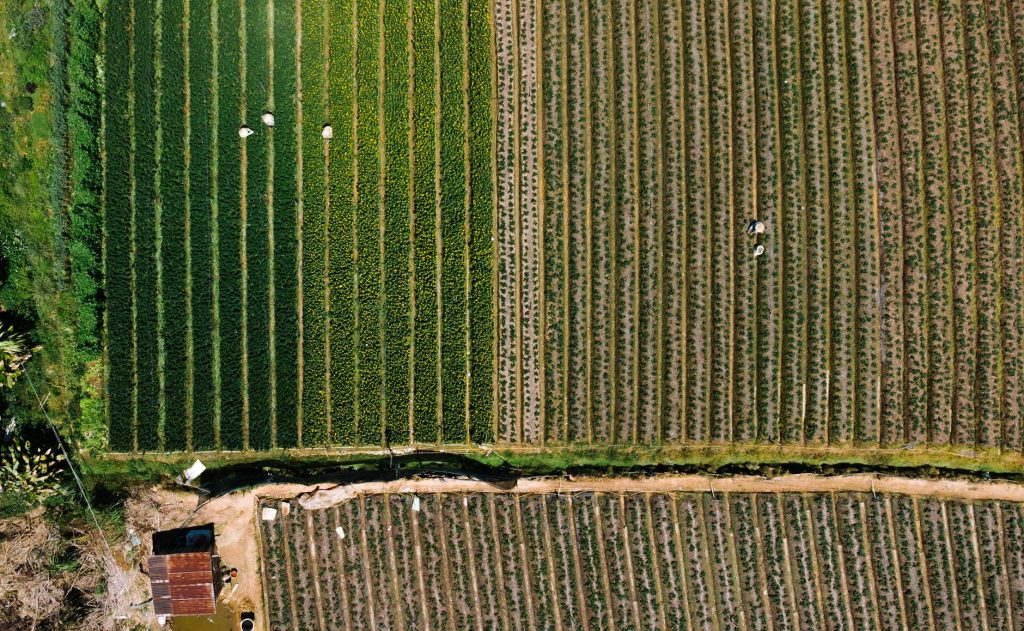
Can Punjab’s farmers survive on wheat and rice alone anymore? Not really, say agricultural experts who gathered in Chandigarh this week to discuss the future of farming in the region.
The consensus is clear: diversification and sustainable practices aren’t just buzzwords—they’re survival strategies. Farmers across Punjab and Haryana have relied heavily on the traditional wheat-rice cycle for decades, but soil degradation, water stress, and market saturation are forcing a reckoning.
Why the old model isn’t working
The intensive monoculture that once made Punjab the nation’s breadbasket is now showing serious cracks. Soil health has deteriorated significantly, groundwater tables are dropping, and farmers face mounting input costs with stagnant returns.
Experts point out that continuous cultivation of the same crops depletes soil nutrients, making farmers dependent on expensive chemical fertilizers. Climate change is adding another layer of uncertainty—unpredictable rainfall patterns and temperature swings make traditional farming riskier each season.
Young farmers are particularly concerned. Many are leaving agriculture because the margins have become too thin. Without intervention, the region could face a genuine agricultural crisis within the next decade.
The way forward: alternatives that work
Agricultural researchers are pushing farmers toward crop rotation, horticulture, and dairy integration. Growing pulses, oilseeds, and vegetables alongside cereals can restore soil fertility while creating additional income streams.
Several farmers in the region have already started experimenting with these alternatives. Those who’ve diversified into apple cultivation, mushroom farming, or vegetable production report better profitability and improved soil conditions—though the transition period requires patience and initial investment.
Organic farming practices also came up as a critical focus area. Reducing chemical inputs not only improves long-term soil health but also commands premium prices in urban markets. States like Kerala and Karnataka have already demonstrated that organic certification can transform farm economics.
Experts also highlighted the role of agricultural technology. Precision farming tools, soil testing services, and better crop insurance schemes can help farmers make informed decisions and manage risks more effectively.
The government’s role in facilitating this transition cannot be ignored. Better procurement policies that incentivize crop diversity, subsidies for sustainable farming inputs, and training programs for farmers are essential pieces of the puzzle.
What’s becoming increasingly clear is that the region’s agricultural future depends on moving away from commodity monoculture toward a more resilient, diversified farming system. Farmers who adapt now will likely thrive, while those who resist change may find themselves struggling within a few years.
The conversation in Chandigarh signals that change is coming—and those willing to embrace it will shape the next chapter of Punjab’s agricultural story.