
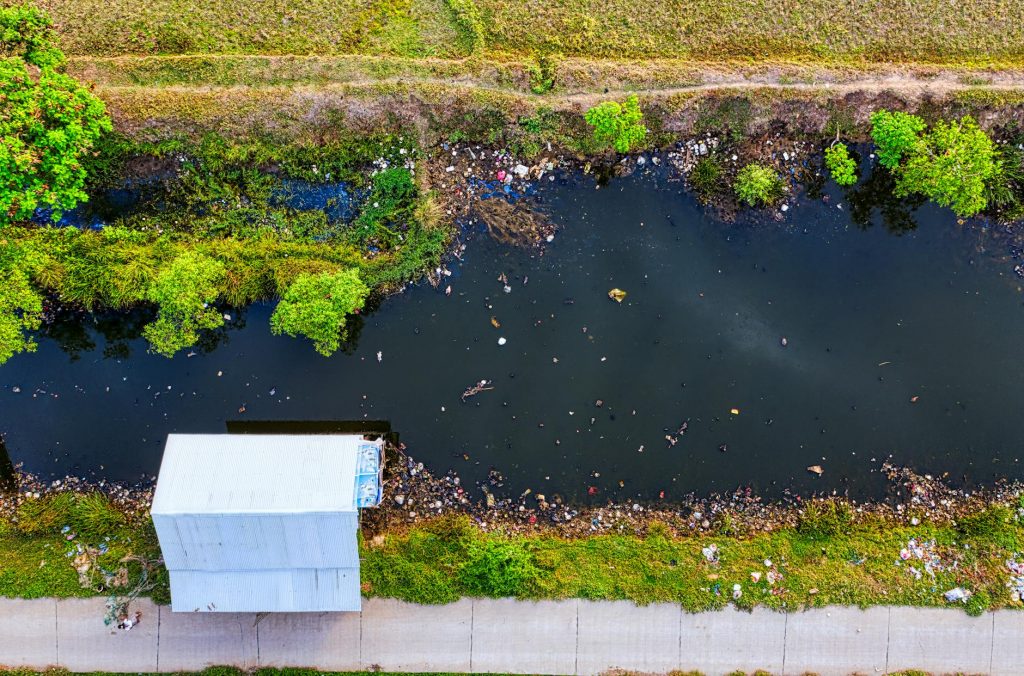
Is the water coming out of your village tap actually safe to drink? A recent government review has found that Punjab’s rural water supply schemes are struggling with a serious problem — contaminated water reaching homes, while crores of rupees meant to fix these issues sit unused.
What’s Going Wrong in Punjab’s Villages
Punjab has allocated substantial funds to improve water supply in rural areas, but the money isn’t being spent effectively. At the same time, water contamination remains a persistent issue affecting thousands of families who depend on government pipelines for drinking water.
The panel investigating these schemes found that many projects are either moving slowly or stalled completely. Contamination from industrial waste, agricultural runoff, and poor pipeline maintenance continues to reach households, creating serious health risks for rural communities.
What makes this worse is that funds earmarked specifically to address these problems are lying unused. Whether due to bureaucratic delays, lack of coordination, or implementation challenges, the money that could have fixed broken systems and installed proper filtration isn’t reaching ground level.
Why This Matters for Villagers Right Now
For families in rural Punjab, contaminated water means waterborne diseases like cholera, typhoid, and diarrhea. Children are especially vulnerable. Yet the solutions exist — they’re just not being deployed properly.
The unused funds represent a massive opportunity lost. These aren’t small amounts — they’re substantial allocations that could have upgraded pipelines, installed modern water treatment plants, and provided regular testing to ensure water quality.
The issue points to a disconnect between planning and execution. Someone draws up a scheme, approves the budget, and then the actual work on the ground doesn’t happen at the expected pace.
Local officials cite various reasons — sometimes it’s difficulty acquiring land, sometimes it’s difficulty finding contractors, sometimes it’s just poor coordination between departments. But the result is the same: people still drink bad water, and money meant to help them sits in government accounts.
This isn’t a new problem. Rural water supply has been a challenge in Punjab for years, despite the state being relatively prosperous compared to many other regions in India. The state government has repeatedly launched initiatives to improve water quality and coverage, yet problems persist.
The panel’s findings suggest that Punjab needs better monitoring of these projects and faster decision-making at the local level. Simply approving funds isn’t enough — someone needs to ensure they’re actually being used to lay pipes, treat water, and test it regularly.
For rural Punjabis tired of boiling water daily or buying expensive bottled water, the question is simple: when will the money reach us and actually fix our taps? The answer depends on whether officials treat this as the health crisis it truly is.