
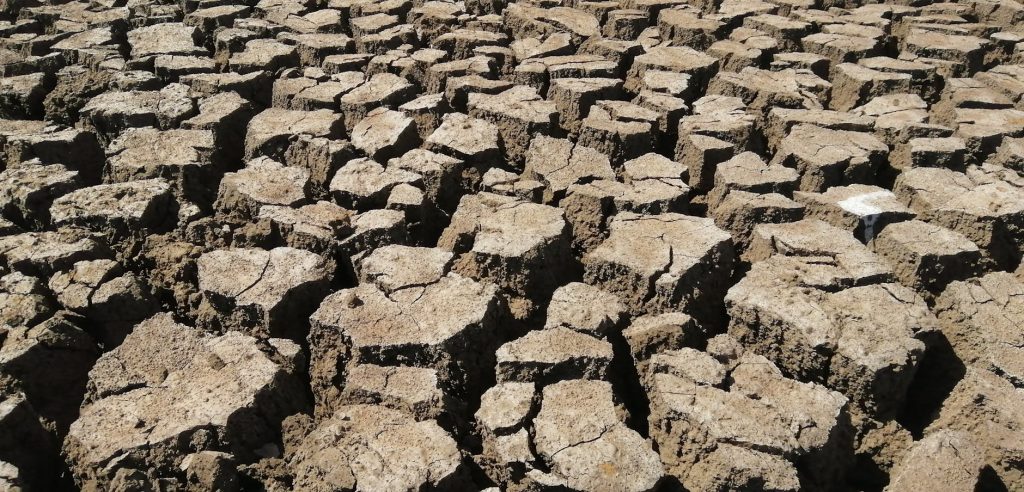
Punjab is running out of water faster than anyone thought. A parliamentary committee has just raised the alarm about groundwater levels dropping dangerously in India’s agricultural heartland, and the situation is getting worse every year.
The state that feeds much of India is facing a twin crisis — water levels are plummeting while what remains is increasingly contaminated. This isn’t a distant problem anymore. It’s happening right now, affecting millions of farmers and everyday citizens who depend on wells and tube wells for drinking water.
Why Is This Happening?
Punjab’s groundwater crisis stems from decades of heavy farming practices. Farmers pump massive amounts of water to irrigate crops like rice and wheat, the very crops that keep India’s food basket full. But the water table isn’t replenishing fast enough.
On top of that, industrial waste and agricultural chemicals have seeped into the remaining groundwater. In many areas, the water coming out of taps isn’t safe to drink without treatment. Communities are reporting higher rates of health issues linked to contaminated water.
The parliamentary panel’s warning means senior lawmakers are now paying attention to what experts have been saying for years — Punjab’s water resources are finite, and we’re using them like they’ll never run out.
What Does This Mean for You?
If you live in Punjab, this directly affects your water supply and food costs. As groundwater becomes scarcer, farming becomes more expensive, which eventually makes vegetables, grains, and dairy products costlier at your local market.
Even if you don’t live there, you should care. Punjab supplies food across India. A water crisis in Punjab ripples through the entire country’s food security and prices.
The panel’s report suggests we need urgent action — better irrigation methods that use less water, stricter rules on industrial pollution, and investments in water conservation. Farmers need support to switch to less water-intensive crops in some areas.
This is also a wake-up call for other states. If Punjab — with all its resources and agricultural focus — is struggling, other regions dependent on groundwater should start thinking about their own sustainability now.
The real question is whether the government will act quickly enough. Water crises don’t announce themselves with warnings. By the time they become obvious, it’s often too late to reverse the damage. Punjab’s situation shows us that we can’t keep treating groundwater like it’s unlimited.