
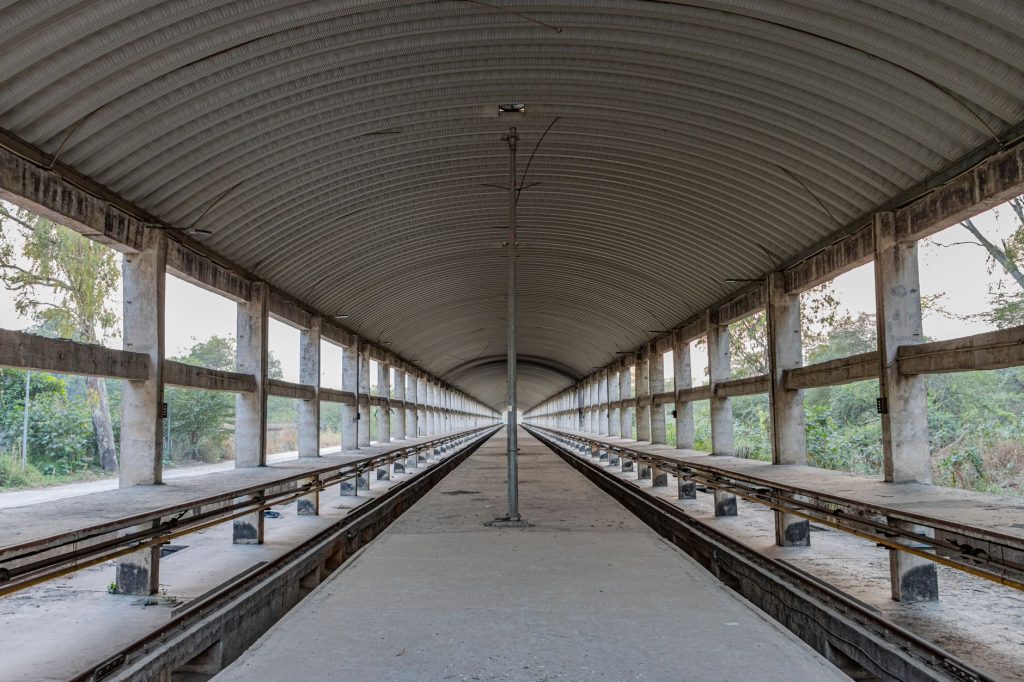
Imagine stepping into a clean, well-maintained railway station, only to find it’s a far cry from reality. The latest audit by the Comptroller and Auditor General (CAG) has revealed that a staggering 90% of Indian railway stations have failed to meet basic passenger amenity standards. This eye-opening statistic raises serious questions about the state of our rail infrastructure and the experience of millions of passengers who use these stations every day.
Audit Finds Widespread Deficiencies
The CAG audit, conducted between 2019 and 2022, evaluated 1,144 railway stations across the country. The findings are nothing short of alarming. A whopping 90% of these stations were found to be lacking in basic amenities, including proper lighting, clean toilets, and adequate seating. This is not just a matter of minor inconveniences; it’s a reflection of the government’s inability to provide a decent environment for citizens who rely on our rail network.
The audit highlighted a range of problems, from overflowing waste bins to faulty ticket vending machines. Many stations lacked basic facilities like drinking water, sanitation, and even proper signage. The situation is even more dire in rural areas, where the scarcity of amenities is compounded by a lack of access to basic services. It’s a stark reminder of the systemic failures that have plagued our rail network for decades.
What’s Behind This Crisis?
So, what’s behind this crisis? The root cause lies in the government’s inability to allocate adequate funds for maintaining and upgrading our rail infrastructure. The CAG report points out that the Indian Railways has been facing a significant shortfall in budgetary allocations for maintenance and upkeep. This has resulted in a gradual decline in the quality of services, which has been exacerbated by the lack of transparency and accountability in the system.
The situation is further complicated by the sheer scale of our rail network. With over 12,000 trains and 7,000 stations across the country, the task of maintaining and upgrading infrastructure is a daunting one. However, this is no excuse for the systemic failures that have led to the current crisis. The Indian Railways needs to wake up to the reality of the situation and take concrete steps to address the issues at hand.
What’s Next?
So, what does this mean for Indians? The answer is simple: it means that we need to demand better from our government. We need to hold them accountable for the services they provide and ensure that our tax rupees are being utilized to improve the quality of life for citizens. The CAG report is a wake-up call for the government to take immediate action to address the crisis in our rail network. It’s time for them to get their act together and provide decent amenities to passengers who rely on our rail network.
The CAG report is a stark reminder of the systemic failures that have plagued our rail network for decades. It’s time for the government to take concrete steps to address the issues at hand and provide a better experience for citizens. Only then can we expect to see a significant improvement in the quality of services and amenities provided by our rail network.