
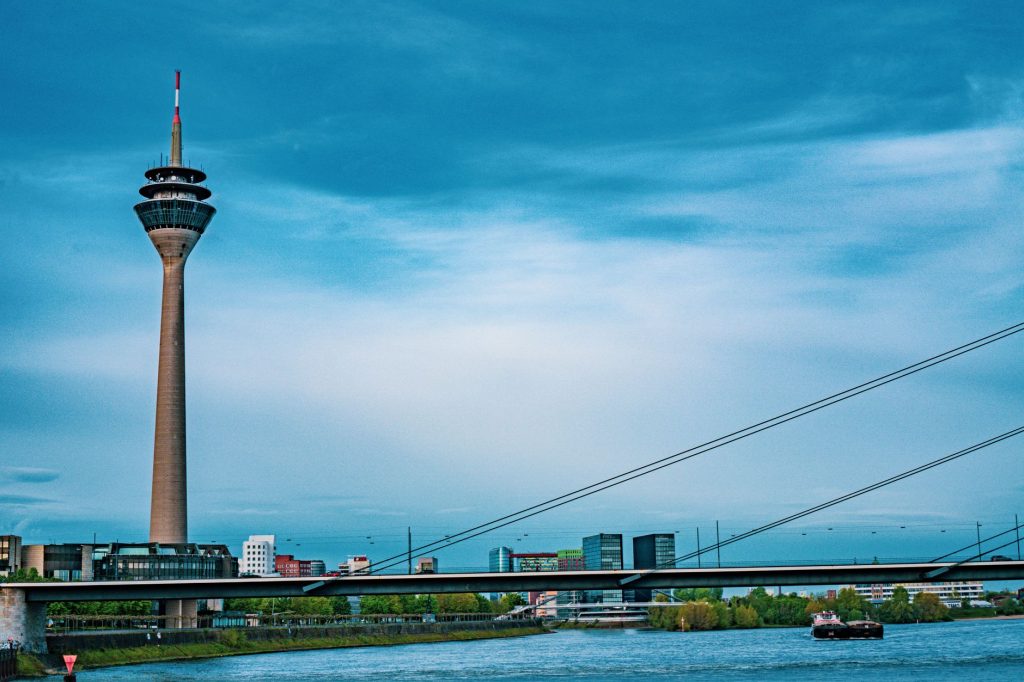
Imagine you are on a boat ride on the Ganges, enjoying the scenic views of the Indian countryside. But, what if the water level suddenly drops, and your boat gets stuck in the shallow riverbed? This is exactly what is happening in Europe, where the Rhine River, a vital transportation artery, has fallen to record low levels due to a severe drought. The Rhine River, which flows through Switzerland, Austria, Germany, and the Netherlands, is a crucial route for cargo ships, transporting goods such as coal, steel, and grains.
The low water levels in the Rhine, as well as other major European rivers like the Danube and Po, have significantly curtailed the transport of goods, leading to economic losses and disruptions to supply chains. The drought has also reduced electricity output from hydroelectric power plants, which rely on the rivers’ water to generate power. This has forced countries to rely on other, often more expensive and polluting, sources of energy.
Impact on Trade and Economy
The Rhine River is a vital trade route, with over 200 million tons of goods transported on it every year. The low water levels have forced cargo ships to reduce their loads, resulting in higher transportation costs and longer delivery times. This has had a ripple effect on the entire European economy, with industries such as manufacturing, construction, and agriculture being severely impacted. The drought has also affected the tourism industry, with many river cruise ships being forced to cancel their itineraries or modify their routes.
The situation is further complicated by the fact that the Rhine River is a shared resource among multiple countries. This has led to tensions between countries, with each trying to protect its own interests and ensure that its own needs are met. The European Union has been working to coordinate a response to the drought, but it is a complex and challenging task. The EU has implemented measures such as restricting water usage and providing financial assistance to affected industries, but more needs to be done to address the root causes of the problem.
Causes and Consequences
So, what is causing this severe drought in Europe? The answer lies in a combination of factors, including climate change, over-extraction of water, and poor water management practices. Climate change has led to changes in precipitation patterns, resulting in more frequent and severe droughts. The over-extraction of water for agricultural, industrial, and domestic purposes has also put a strain on the rivers, reducing their water levels and causing ecological damage.
The consequences of this drought are far-reaching and devastating. The reduced water levels have exposed large areas of riverbed, leading to the loss of habitats for many aquatic species. The drought has also affected the quality of the water, with increased concentrations of pollutants and decreased oxygen levels. This has had a significant impact on the environment, with many species of fish and other aquatic animals being threatened or even facing extinction.
Expert Context and Future Prospects
According to experts, this drought is a wake-up call for Europe to take action to address the pressing issue of water scarcity. The continent needs to adopt more sustainable water management practices, such as reducing water waste, increasing water efficiency, and promoting the use of renewable energy sources. The EU has set targets to reduce greenhouse gas emissions and increase the use of renewable energy, but more needs to be done to address the root causes of the problem.
The future prospects for the Rhine River and other European rivers are uncertain, but one thing is clear: the situation will only get worse if no action is taken. The EU needs to work together with its member states to develop and implement effective solutions to address the drought and its consequences. This includes investing in water conservation measures, promoting sustainable agriculture practices, and supporting research and development of new technologies to address the challenges posed by climate change.
In conclusion, the drought in Europe is a complex and challenging issue that requires a coordinated and sustained response. It is a reminder of the importance of water conservation and the need to adopt sustainable practices to protect our planet’s precious resources. As Indians, we can learn from this experience and take steps to protect our own rivers and water resources, ensuring a sustainable future for generations to come.