
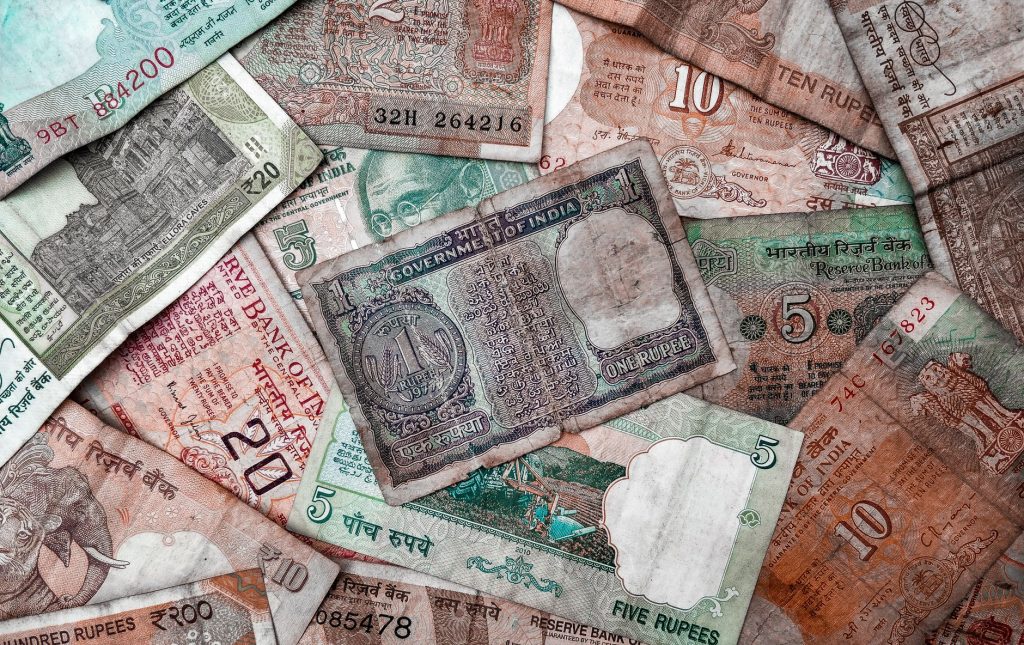
The Indian rupee has seen a significant decrease in volatility, a development that could attract foreign investors to India’s markets.
This improvement in rupee stability has been welcomed by the Indian government and central bank, as it aims to boost investor confidence and increase foreign investment in the country.
Why Rupee Volatility Matters
Rupee volatility refers to the ups and downs in the value of the Indian rupee against major global currencies, particularly the US dollar. High volatility can deter foreign investors from putting their money into India, as it can lead to significant losses due to exchange rate fluctuations.
On the other hand, a stable rupee can attract foreign investors who are looking for stable and secure investment opportunities. A stable rupee also benefits Indian businesses by reducing their exposure to exchange rate risks and making it easier for them to import goods and services from abroad.
The Reserve Bank of India (RBI), the country’s central bank, has been working closely with the government to implement policies that can reduce rupee volatility. One of the key measures is the RBI’s intervention in the foreign exchange market to prevent excessive rupee depreciation.
What’s Behind the Improvement?
Economists attribute the improvement in rupee stability to a combination of factors, including the RBI’s monetary policy decisions and the country’s economic growth prospects.
The RBI has been gradually reducing its policy rates to boost economic growth and inflation, which has helped to reduce the attractiveness of the rupee to investors. At the same time, India’s strong economic growth prospects, driven by a large and growing middle class, have increased investor confidence in the country.
Additionally, the RBI has been actively managing the country’s foreign exchange reserves, which have increased significantly over the past few years. This has helped to reduce the country’s dependence on foreign capital and increased its ability to withstand external shocks.
The reduction in rupee volatility has also been supported by a decrease in global commodity prices, which has helped to reduce India’s import costs and improve its trade balance.
What’s Next?
While the improvement in rupee stability is a welcome development, there are still challenges ahead for the Indian economy. The country’s economic growth prospects are still vulnerable to global economic trends and domestic policy decisions.
The RBI and the government will need to continue their efforts to maintain rupee stability and attract foreign investment. This may involve implementing further monetary policy reforms, improving the country’s business environment, and increasing investor confidence.
Ultimately, a stable and strong rupee will be crucial for India’s economic growth and development. It will enable the country to attract foreign investment, reduce its dependence on foreign capital, and improve its living standards.