
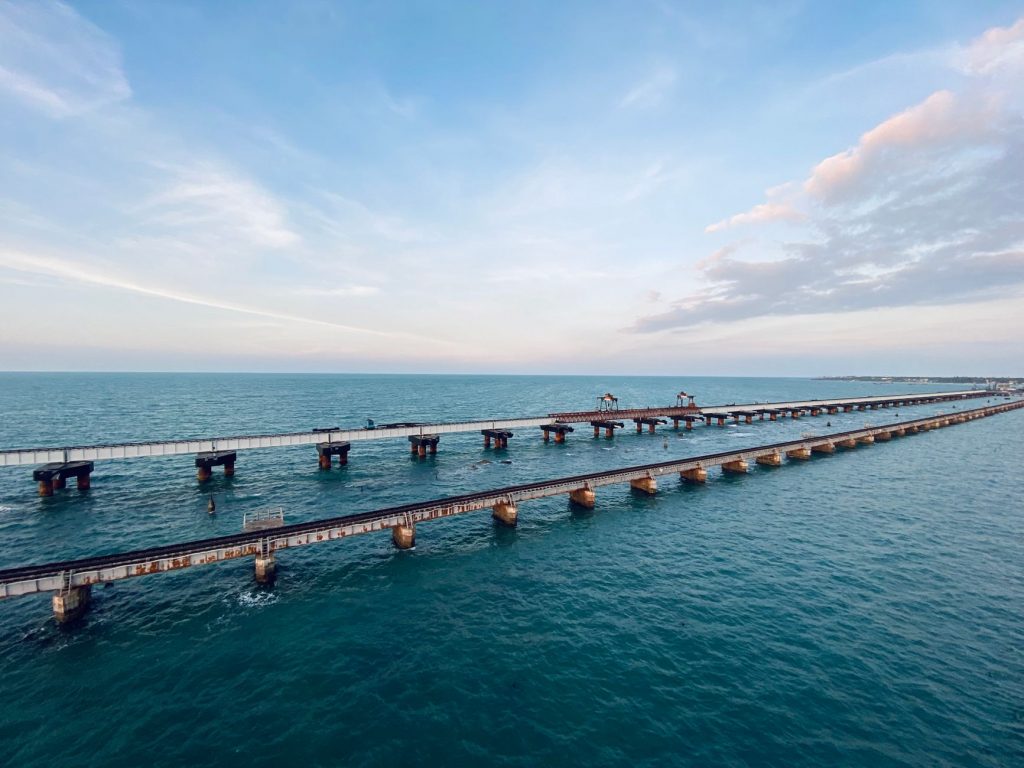
Are you excited about the possibility of a direct train link between India and Russia? We certainly are!
A recent report suggests that Moscow is considering a move to establish a direct train link to India, which could revolutionize the way people and goods travel between the two nations.
Imagine being able to travel from Delhi to Moscow in just a few days, without the hassle of multiple visa requirements, long layovers, and tedious flight checks. A direct train link would make it easier for Indians to explore Russia’s rich culture, historical landmarks, and breathtaking natural beauty.
A Historical Context
The idea of a direct train link between India and Russia is not new. In fact, it has been discussed for several years, with both countries expressing interest in making it a reality. However, the project has faced several challenges, including the need for significant infrastructure development and the complexities of navigating multiple international borders.
So, what’s behind Moscow’s renewed interest in a direct train link? According to experts, it’s largely due to the growing economic and strategic ties between India and Russia. As India continues to emerge as a major player in the global economy, Russia sees an opportunity to strengthen its relationship with the country and tap into its vast market.
A direct train link would also boost bilateral trade between the two nations, which has been growing steadily in recent years. With the ability to transport goods more efficiently and at a lower cost, Indian businesses would be able to access new markets and customers, while Russian companies would gain access to India’s vast consumer market.
The Benefits for India
So, what are the benefits of a direct train link for India? For one, it would provide a convenient and comfortable mode of transportation for tourists, students, and business travelers. No more long flights, crowded airports, and grueling journeys!
A direct train link would also open up new opportunities for Indian students, researchers, and professionals who wish to study, work, or collaborate with their Russian counterparts. Imagine being able to attend a prestigious Russian university without the hassle of navigating visa requirements and lengthy travel plans.
Furthermore, a direct train link would facilitate the exchange of goods and services between the two nations, which would have a positive impact on India’s economy. With the ability to transport goods more efficiently and at a lower cost, Indian businesses would be able to access new markets and customers, while Russian companies would gain access to India’s vast consumer market.
The Challenges Ahead
While a direct train link between India and Russia is an exciting prospect, there are several challenges that need to be addressed. For one, the project would require significant investment in infrastructure development, including the construction of new rail lines, bridges, and border crossings.
Additionally, the project would need to navigate complex regulatory and diplomatic hurdles, including the need for international agreements and approvals. However, experts believe that these challenges can be overcome with careful planning, coordination, and cooperation between the two nations.
Sources close to the negotiations have indicated that Moscow is willing to invest heavily in the project, which would involve the construction of a new rail link from Russia to India. However, the exact timeline and details of the project are still unclear.
As we await further updates on this exciting development, one thing is clear: a direct train link between India and Russia could be a game-changer for the two nations and their people. It would open up new opportunities for trade, tourism, education, and cultural exchange, while strengthening the economic and strategic ties between the two nations.
So, stay tuned for further updates on this story and get ready to experience the thrill of a new era of connectivity between India and Russia!
Will a direct train link between India and Russia become a reality? Only time will tell, but one thing is certain: it’s an exciting possibility that has the potential to transform the way people and goods travel between the two nations.