
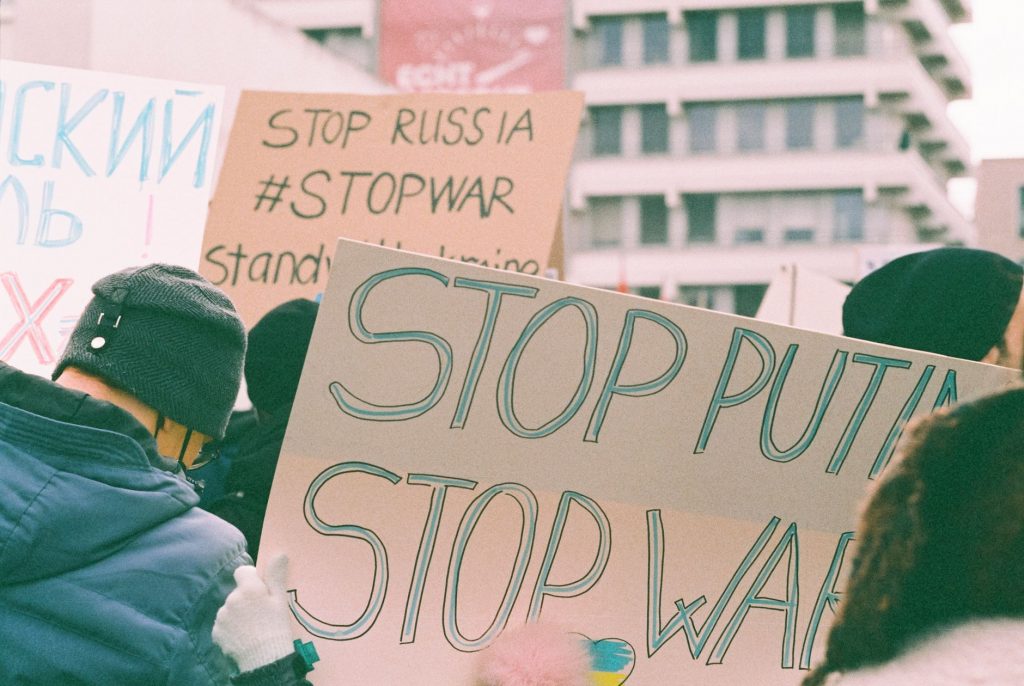
Imagine the sudden dread that washes over a family when the siren wails, a sound all too familiar in conflict zones. For residents of Kyiv, that chilling siren became a terrifying soundtrack on Saturday, as Russia unleashed what many are calling one of its most ferocious missile barrages since the war began. The capital city, a symbol of Ukrainian resilience, found itself under a hail of projectiles, leaving behind a trail of destruction and fear.
Kyiv Under Siege: A Devastating Saturday
The sheer scale of the attack was undeniable. Reports from the ground painted a grim picture: residential buildings scarred by impacts, infrastructure crippled, and the ever-present threat of further strikes keeping citizens on edge. While the full extent of the damage is still being assessed, initial reports confirmed a significant loss of life and a considerable number of injuries. The targeting of civilian areas, a recurring and deeply concerning aspect of this prolonged conflict, has once again brought the human cost of war into sharp focus.
A Tit-for-Tat Escalation?
This intense assault on Kyiv follows closely on the heels of Ukrainian strikes that reportedly hit two warehouses within Russian territory. These Ukrainian actions, while not detailed extensively in the initial reports, are being viewed by many analysts as a potential catalyst for Russia’s retaliatory fury. The interconnectedness of these events highlights a dangerous cycle of escalation, where each side’s offensive actions appear to provoke a severe response from the other, pushing the conflict into ever more perilous territory.
Speaking on the matter, Dr. Ananya Sharma, a geopolitical analyst specializing in Eastern European affairs, noted, “What we are witnessing is a dangerous game of tit-for-tat, with civilian populations bearing the brunt of the consequences. Russia’s large-scale missile attack on Kyiv, following Ukraine’s strikes inside Russia, suggests a hardening of positions and a potential unwillingness to de-escalate. This could lead to prolonged and more intense fighting, making any diplomatic resolution even more elusive.” The implications for regional stability, and indeed global security, remain a significant concern.