
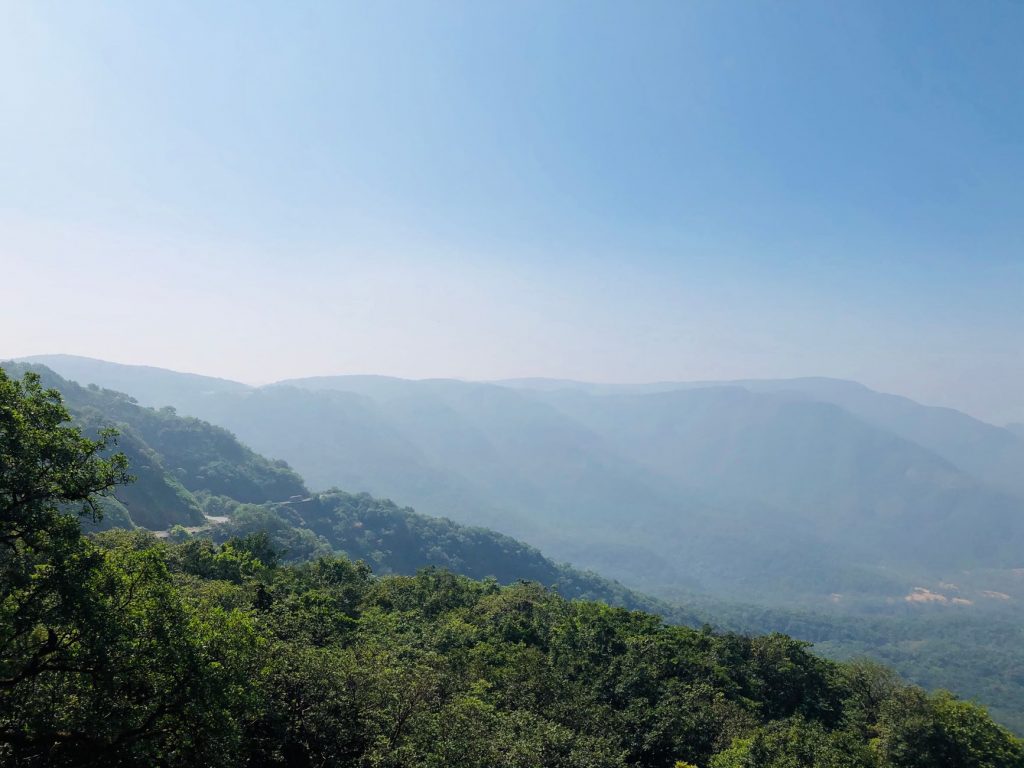
In a stunning discovery, scientists have found that sacred groves in India’s Western Ghats are capable of growing future forests at an incredible rate.
The Western Ghats, a UNESCO World Heritage Site, is home to some of the most biodiverse and threatened ecosystems in the world. The region is characterized by its lush forests, winding rivers, and unique wildlife.
Background of Sacred Groves
Sacred groves are ancient forests that have been protected and revered by local communities for centuries. These groves are often found at the heart of villages and are believed to possess spiritual and ecological significance. They are typically managed by local communities through a mix of traditional practices and modern conservation techniques.
While sacred groves have been recognized as important sites for biodiversity conservation, their role in promoting forest regeneration has been largely overlooked. However, recent research has highlighted the crucial role that these groves play in seeding future forests.
How Sacred Groves Regenerate Forests
According to scientists, the unique combination of traditional practices and modern conservation techniques used in sacred groves allows them to create a perfect environment for forest regeneration. The groves are carefully managed to maintain a balance between the needs of local communities and the requirements of the forest ecosystem.
The research found that the seedlings in sacred groves are nurtured through a process of ‘nursery management,’ where seeds are collected, germinated, and protected from pests and diseases. This process allows the seedlings to grow strong and healthy, increasing their chances of survival in the wild.
Additionally, the sacred groves provide a safe haven for the growth of native tree species, which are crucial for maintaining the region’s biodiversity. The presence of these tree species also helps to maintain the soil quality and prevent soil erosion, further enhancing the forest’s ability to regenerate.
Implications for India’s Forest Cover
The findings of this research have significant implications for India’s forest cover, which has been declining at an alarming rate. The country’s forests provide vital ecosystem services, including oxygen, food, and water, as well as support for local livelihoods.
By recognizing the potential of sacred groves in promoting forest regeneration, India can leverage these natural resources to accelerate forest recovery. This can be achieved through the creation of more sacred groves, the expansion of existing ones, and the adoption of traditional conservation practices.
Furthermore, the success of sacred groves in promoting forest regeneration can serve as a model for other conservation efforts in India. By embracing traditional practices and modern conservation techniques, the country can effectively protect its natural resources and promote sustainable development.
In conclusion, the discovery of sacred groves as future forests in India’s Western Ghats is a groundbreaking finding that has significant implications for the country’s forest cover and conservation efforts. By learning from the success of these groves, India can move towards a more sustainable and environmentally conscious future.