
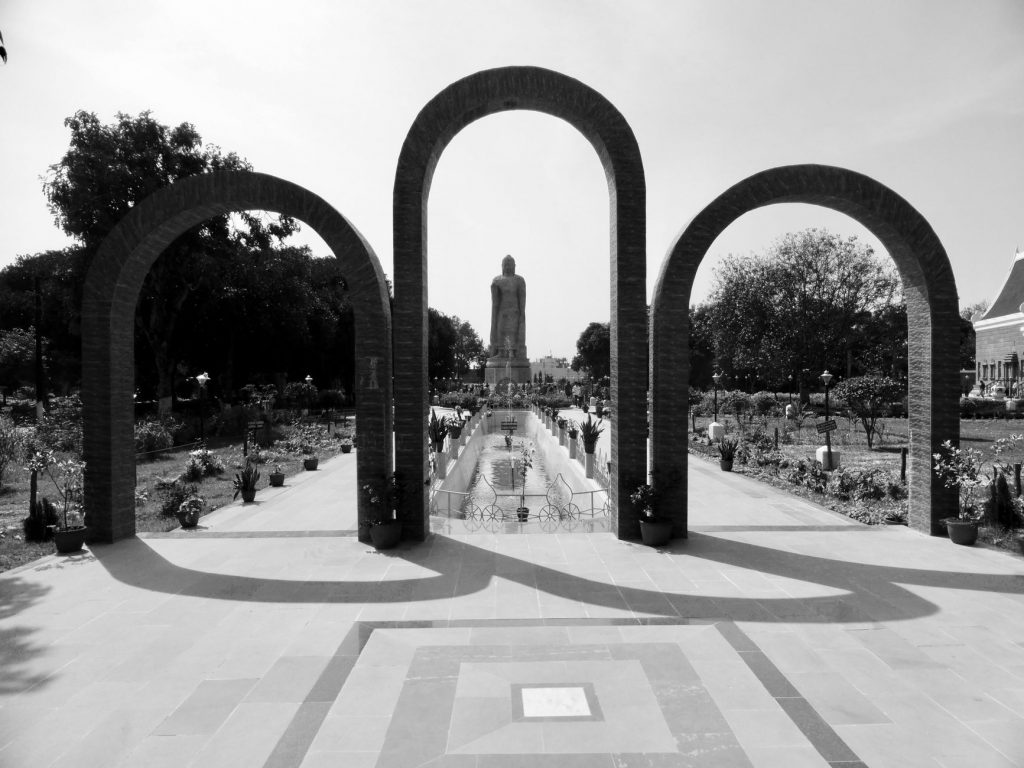
The sacred grounds of Sarnath, a revered Buddhist pilgrimage site in Uttar Pradesh, have been inscribed on the UNESCO World Heritage list, cementing its status as a global cultural treasure.
This momentous announcement marks a significant victory for India, solidifying its position as a guardian of rich historical heritage and a champion of cultural preservation.
The Significance of Sarnath’s UNESCO Listing
Sarnath, situated near Varanasi, is a city steeped in history and spiritual significance. It was here that Buddha delivered his first sermon after attaining enlightenment, and the location has been venerated by Buddhists, Hindus, and Jains alike for centuries.
The inclusion of Sarnath in the UNESCO World Heritage list acknowledges the site’s immense cultural and historical importance. It not only recognizes India’s commitment to preserving its heritage but also underscores the country’s role in promoting Buddhist and Indic cultures globally.
The listing is expected to attract a surge in visitors, injecting new life into the local economy and stimulating tourism growth.
However, this influx of tourists also poses challenges for the site’s preservation. Authorities will need to strike a delicate balance between allowing visitors to experience the site’s grandeur and protecting the delicate infrastructure and ecosystem.
What’s Next for Sarnath?
The UNESCO listing is a significant milestone, but the real challenge lies ahead. India must ensure that the site’s preservation and conservation align with international standards and best practices.
The government will need to collaborate with local stakeholders, NGOs, and experts to develop a comprehensive plan for managing the site’s growth and development.
The success of this initiative will depend on the government’s ability to balance competing interests, prioritize conservation, and harness the economic benefits of tourism responsibly.
As Sarnath takes its rightful place on the UNESCO World Heritage list, India is reminded of its responsibility to safeguard its cultural heritage and share it with the world.
The inclusion of Sarnath in the UNESCO World Heritage list is a testament to India’s rich cultural diversity and its commitment to preserving the past for future generations.
This historic moment is not just a victory for India but also a beacon of hope for other countries to follow suit and recognize the importance of cultural preservation.
As the world looks to India for leadership in cultural preservation, the country must rise to the challenge and ensure that Sarnath remains a shining example of its commitment to preserving its heritage.
The UNESCO World Heritage listing of Sarnath is a significant step towards recognizing India’s rich cultural heritage and its importance in the global cultural landscape.