
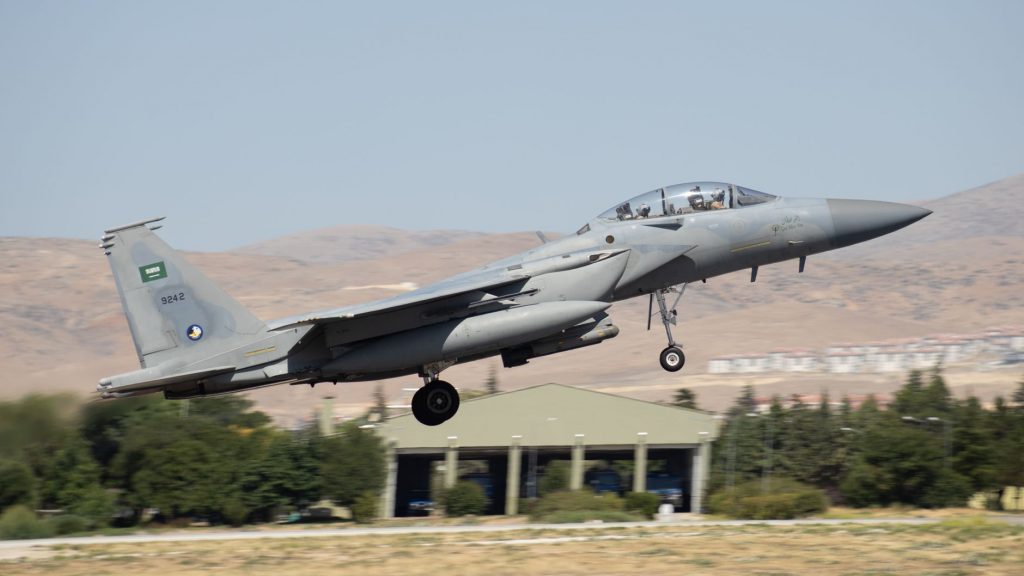
Are you worried about the escalating tensions in the Middle East? Well, you’re not alone. The situation has just taken a dramatic turn with Saudi Arabia, Turkey, and Pakistan signing a historic defence pact.
According to sources, this strategic alliance aims to strengthen the three nations’ collective security and provide a united front against any potential threats. The agreement was signed in a ceremony held in Islamabad, Pakistan’s capital, on date unknown.
The pact is seen as a significant development in the region, given the ongoing conflict in Yemen and the escalating tensions between Iran and Saudi Arabia. Pakistan, which has long been a key player in the Middle East peace process, believes that the alliance will not only enhance its own security but also contribute to regional stability.
A united front against aggression
Under the terms of the agreement, Pakistan has vowed to stand by Saudi Arabia and Turkey in the event of an attack. This means that if any of the three nations comes under attack, the others will be obligated to provide military assistance and support. The pact is seen as a bold move to prevent any potential aggression in the region and to send a strong message to would-be attackers.
The defence pact is also expected to boost trade and economic ties between the three nations. With their combined military might and economic clout, they aim to become a major force in the region and play a more significant role in global affairs.
What does this mean for India?
While the defence pact between Saudi Arabia, Turkey, and Pakistan may seem like a distant concern for India, it’s essential to understand its implications. As a key player in the region, India has long been wary of Pakistan’s military ambitions and its involvement in the Middle East peace process. The new defence pact is likely to raise concerns in New Delhi, particularly given Pakistan’s history of sponsoring terrorism and its alleged support for extremist groups.
India has traditionally enjoyed close ties with Saudi Arabia and has been a key player in the region’s peace process. However, the new defence pact may challenge India’s position in the region and force it to reassess its relationships with its neighbours.
What’s next for the three nations?
The signing of the defence pact is a significant development in the region, and it’s likely to have far-reaching consequences. As the three nations begin to implement the agreement, they will face numerous challenges, including the need to build trust and strengthen their military capabilities. They will also need to navigate the complex web of regional politics and deal with the potential backlash from other nations.
In the coming weeks and months, we can expect to see a significant increase in military cooperation and joint exercises between the three nations. They may also establish a joint defence council to oversee the implementation of the pact and make strategic decisions.
As the situation unfolds, one thing is clear: the defence pact between Saudi Arabia, Turkey, and Pakistan marks a significant shift in the regional dynamics and will have a profound impact on the Middle East peace process.
So, what does this mean for India? Will the new defence pact challenge New Delhi’s position in the region? And what’s next for the three nations as they embark on this new journey together? Only time will tell.