
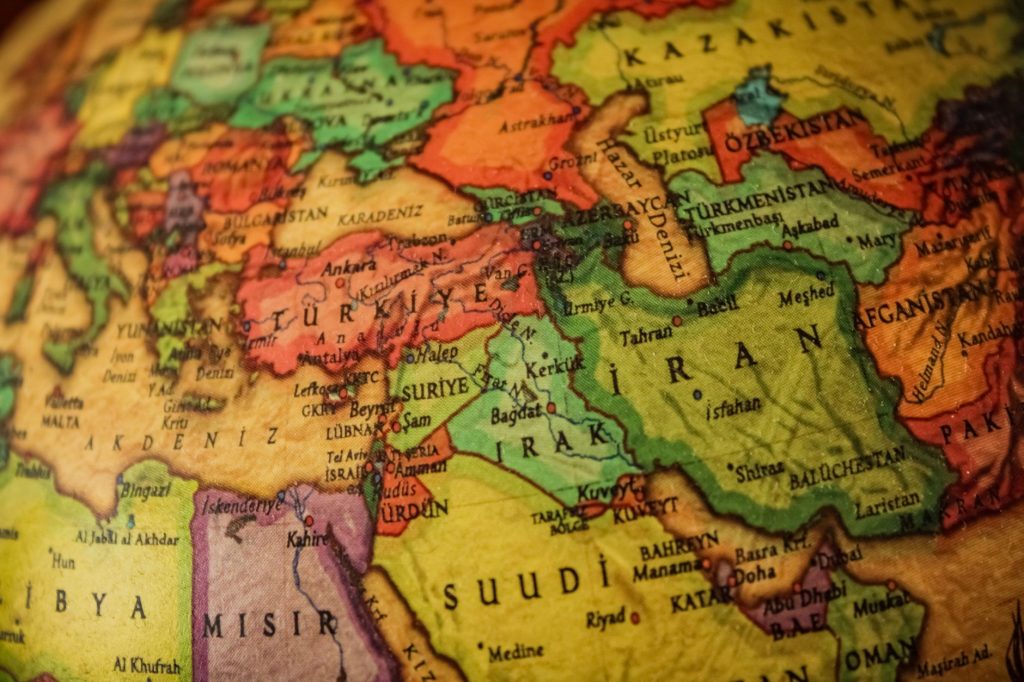
Is a new, powerful security bloc emerging in the Middle East and South Asia? The answer appears to be a resounding yes, as Saudi Arabia, Turkey, and Pakistan have officially signed a landmark joint defense agreement. This pact, a significant development in regional geopolitics, establishes a mutual defense clause, meaning an attack on any one of these three nations will be considered an aggression against all three.
A United Front Against Emerging Threats
The ink on the agreement is barely dry, but its implications are already being felt across the geopolitical landscape. This strategic alliance comes at a critical juncture, particularly for Saudi Arabia, which has recently endured a series of drone and missile strikes. Riyadh has consistently pointed fingers at Iran’s proxies operating in Yemen and Iraq for these attacks, underscoring the immediate security concerns that likely propelled this tripartite accord. The pact signifies a collective resolve to deter future aggressions and bolster the security of its signatories.
Strategic Significance and Regional Realignment
The formation of this defense pact is not merely a reaction to immediate threats; it represents a deeper strategic realignment. Saudi Arabia, Turkey, and Pakistan, while distinct in their regional roles, share common interests in maintaining stability and countering asymmetric warfare. Turkey, a NATO member, brings its significant military capabilities and strategic location. Pakistan, with its own complex security environment and nuclear deterrent, adds a crucial dimension. Saudi Arabia, the economic powerhouse of the Gulf, provides substantial resources and a renewed commitment to its own defense infrastructure. This convergence of interests could reshape regional security dynamics, potentially influencing existing alliances and creating new ones.
What This Means for India and Beyond
For India, this development warrants close observation. The growing strategic convergence between Saudi Arabia, Turkey, and Pakistan could have far-reaching implications for regional stability and India’s own security calculus. While the pact is ostensibly defensive, the increased military cooperation and shared security objectives among these nations will undoubtedly be monitored by New Delhi. The long-term impact on the balance of power in the Middle East and South Asia remains to be seen, but it is clear that a new, formidable security architecture is taking shape, one that will demand careful diplomatic navigation and strategic foresight from all involved parties, including India.