
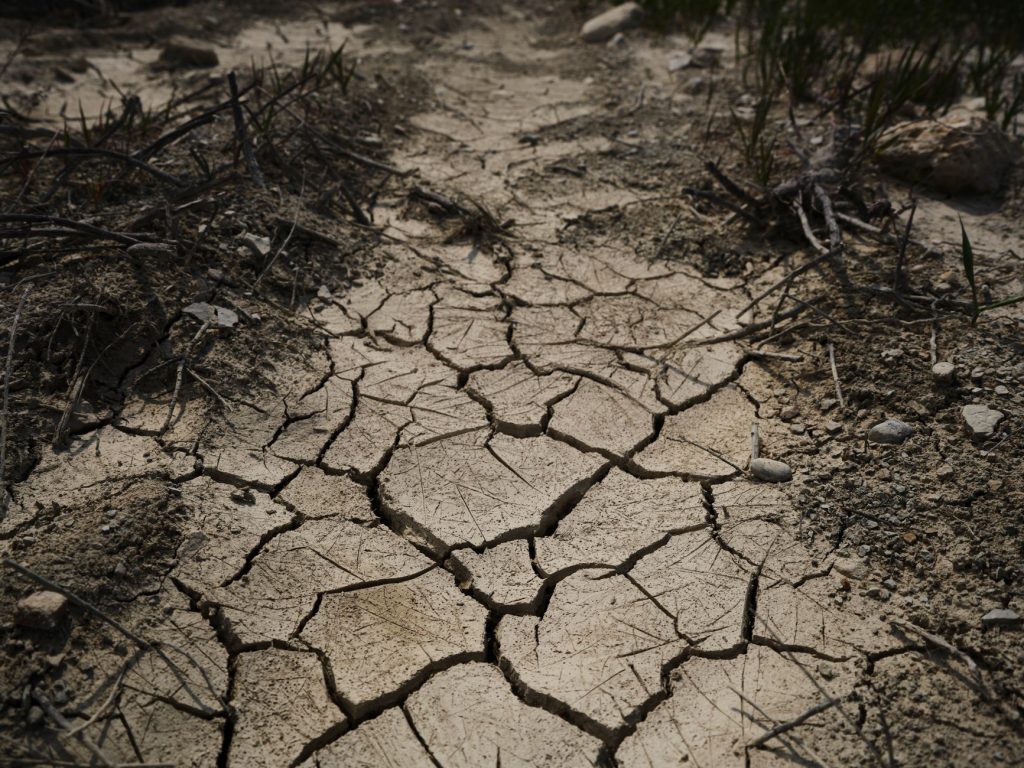
Imagine a world where the sun is your enemy, and survival means hiding from its deadly rays. That’s the chilling reality depicted in the film ‘The Rapture,’ a heatwave thriller that’s suddenly feeling all too familiar, especially for us in India.
A Sun That Kills
Actor Iwan Rheon, known for his intense roles, recently spoke about the movie and how its themes of extreme heat and societal breakdown are eerily relevant today. ‘The Rapture’ isn’t just a sci-fi story; it’s a stark warning about what could happen if our planet continues to overheat. The film shows a society pushed to its limits by relentless, unbearable heat, forcing people to make desperate choices just to stay alive.
Why It’s Our Story Now
We’ve all felt it – those scorching summer days that make stepping outside feel like walking into an oven. India has been battling increasingly severe heatwaves for years, with temperatures soaring to dangerous levels. This film taps into that primal fear, showing how easily our normal lives could be upended by a climate pushed too far. Rheon’s own comments highlight how the movie’s fictional crisis mirrors the real challenges we face with rising global temperatures.
A Glimpse of Our Future?
For Indians, ‘The Rapture’ is more than just a movie to watch; it’s a wake-up call. The extreme weather events we’re experiencing, from heatwaves to unseasonal rains, are no longer distant threats. They are here, impacting our agriculture, our health, and our daily lives. The film forces us to confront the possibility that the uncomfortable heat we endure today could become a life-threatening crisis tomorrow if we don’t act decisively on climate change.
What Now?
The chilling message of ‘The Rapture’ is that the future it paints might not be as fictional as we’d like. As our own summers grow hotter and more dangerous, this film serves as a powerful reminder of the urgent need for climate action. It’s a call to understand the science, adapt our infrastructure, and make sustainable choices before our reality becomes as terrifying as the movie’s.