
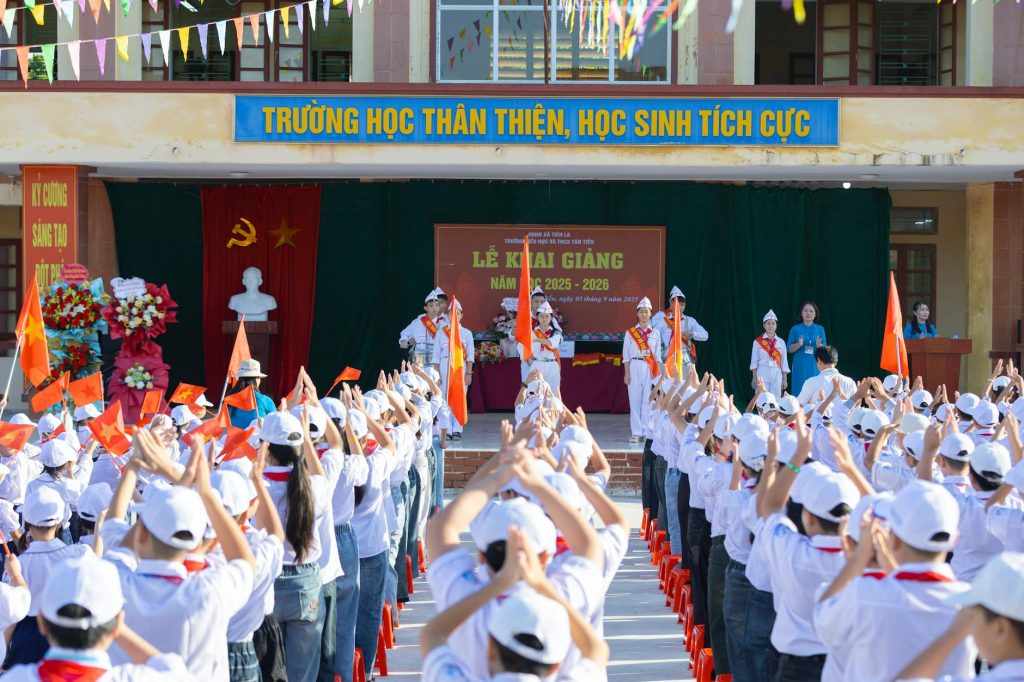
Picture this: It’s Wednesday morning, and you’re standing with hundreds of classmates in the school auditorium while the principal briefs everyone on what’s happening in the world. That daily assembly ritual has become India’s informal news hour for millions of students. Whether it’s developments in Delhi, happenings across the globe, or local issues affecting your city, these five minutes shape how young India understands current affairs.
What’s Making Headlines Today
The morning news cycle brings a mix of stories that matter to Indian households. Government announcements on education policy, economic updates, weather warnings for different regions, and international developments affecting India’s interests typically dominate the morning briefing. Students in major metros might hear about tech sector developments or infrastructure projects, while those in smaller towns get updates on local governance and agricultural news.
International news doesn’t take a backseat either. Trade negotiations, diplomatic moves, and global events that could touch Indian interests find their way into assembly announcements. Teachers carefully select stories that are age-appropriate yet substantial enough to build awareness among young citizens.
Why This Morning Ritual Matters
School assemblies have evolved far beyond just flag hoisting. They’ve become the training ground where India’s next generation learns to stay informed. Regular exposure to news helps students develop critical thinking and understand their role as future citizens.
Think about it differently: your grandparents had radio broadcasts, your parents had newspapers delivered at home, and you have infinite information at your fingertips. Yet, the structured, curated news in school assembly still serves a purpose—it creates a common baseline of knowledge across all students, regardless of their family’s access to media.
Teachers report that students who engage with assembly news tend to perform better in social sciences and develop stronger opinion-building skills. There’s something about hearing news in a group setting that makes it stick differently than scrolling through your phone.
Looking Ahead
As we move through January, expect assemblies to focus on Republic Day preparations, winter weather updates affecting different regions, and any significant policy announcements the government rolls out. Educational institutions across India have started making these briefings more interactive too—some schools now include student perspectives or debate segments based on the day’s headlines.
The habit of staying informed early shapes how you’ll engage with news as adults. These assembly sessions, whether you realize it now or not, are building your foundation as an informed citizen of India. Keep paying attention to what’s being shared—because understanding today’s headlines helps you make better decisions tomorrow.