
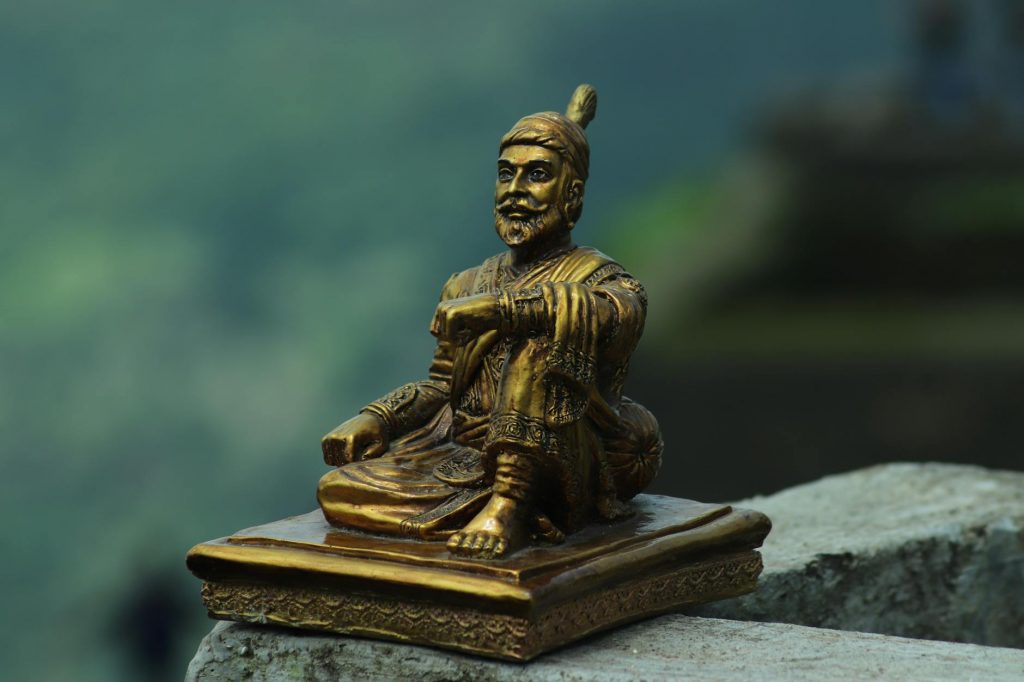
Statues of Shivaji are springing up across India, drawing both admiration and controversy. But what’s behind this sudden surge in reverence for the warrior king who challenged the Mughal dynasty over 350 years ago?
A Legacy Reborn
Shivaji, the founder of the Maratha empire, was a complex figure who defied easy categorization. Some saw him as a national hero, while others regarded him as a rebel with a questionable moral compass. Despite these contradictions, Shivaji’s legacy has endured through the centuries, influencing Indian politics and culture in profound ways.
Today, Shivaji’s statues are being erected in cities and towns across the country, often in public spaces that were previously dominated by other historical figures. This sudden emphasis on Shivaji’s likeness has sparked heated debates about the nature of Indian identity and the role of history in shaping national values.
On one hand, Shivaji’s story is seen as a testament to India’s rich cultural heritage and its capacity for resistance against colonial rule. By celebrating this 17th-century warrior, nationalists argue that they are reclaiming a lost chapter in Indian history and reasserting the country’s sense of pride and self-respect.
On the other hand, critics argue that this new emphasis on Shivaji’s image is a thinly veiled attempt to promote a narrow, sectarian agenda that marginalizes other aspects of Indian history and culture. They point out that Shivaji’s own life was marked by brutal suppression of minority groups and the exploitation of peasants, raising questions about the values that are being promoted through his statues.
The Politics of Memory
The Shivaji phenomenon reflects a deeper struggle over the meaning of Indian history and the way it is remembered and commemorated. As the country grapples with the legacies of colonialism, casteism, and communalism, there is a growing recognition that the past is not a fixed or static entity, but a contested and multifaceted terrain that can be shaped and reinterpreted in different ways.
The rise of Shivaji statues is part of a broader effort to reassert Indian nationalism and reclaim a lost sense of national pride. But this movement is also fraught with challenges and contradictions, as different groups and individuals seek to impose their own interpretations on the past and shape the course of Indian history.
In the end, the Shivaji phenomenon is a reminder that history is not just a collection of dry facts and dates, but a living, breathing entity that is shaped by the passions and prejudices of the present. As Indians continue to grapple with the complexities of their shared past, they will have to confront the difficult questions that lie at the heart of Shivaji’s legacy and the statues that now dot their cityscapes.
A New Era of Nationalism?
The Shivaji phenomenon is also part of a larger trend towards a more assertive and muscular nationalism that is sweeping across India. As the country grapples with the challenges of economic growth, social inequality, and cultural diversity, there is a growing sense that the old certainties and values are no longer sufficient to meet the needs of a rapidly changing world.
Shivaji’s statues are a manifestation of this new era of nationalism, which seeks to reclaim a lost sense of national pride and assert India’s place on the global stage. But this movement is also fraught with challenges and contradictions, as different groups and individuals seek to impose their own interpretations on the past and shape the course of Indian history.
In the end, the Shivaji phenomenon is a reminder that history is not just a collection of dry facts and dates, but a living, breathing entity that is shaped by the passions and prejudices of the present. As Indians continue to grapple with the complexities of their shared past, they will have to confront the difficult questions that lie at the heart of Shivaji’s legacy and the statues that now dot their cityscapes.