
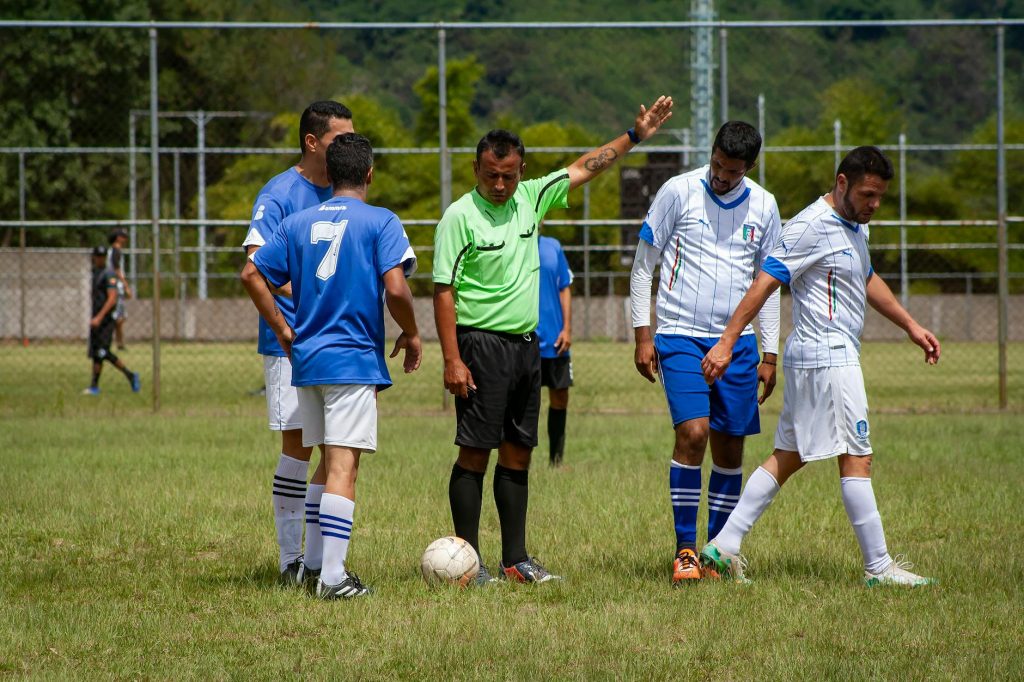
Imagine preparing for the biggest sporting event of your life, the culmination of years of hard work and dedication. You’ve trained, you’ve qualified, and you’re all set to represent your nation on a global stage. Now, picture that dream being snatched away at the very last hurdle, not by a lack of skill, but by a bureaucratic roadblock. This is the heartbreaking reality faced by Omar Abdulkadir Artan, a Somali referee whose hopes of officiating at the FIFA World Cup have been dashed.
A Dream Deferred
Artan, who had meticulously gathered all the necessary documentation and received his official accreditation, was set to make history as the first Somali to ever officiate a match in the prestigious tournament. His journey to this point was arduous, marked by dedication and a passion for the sport. However, upon arriving at the airport, he was informed that his entry into the United States, where the World Cup qualifiers were being held, was denied. This unexpected turn of events has left him devastated, his lifelong ambition unfulfilled.
Bureaucracy Over Merit
In his first public statement since the incident, a visibly disappointed Artan expressed his bewilderment. “I had the right papers and everything,” he stated, emphasizing that he had followed all procedures. The denial, he believes, was not due to any fault of his own but rather a systemic issue that prioritizes administrative hurdles over athletic merit. This situation highlights the challenges faced by individuals from certain nations in obtaining visas, even for official sporting events of such magnitude.
Expert Perspective on Global Sports Inclusion
This unfortunate incident raises broader questions about inclusivity in international sports. Experts in sports diplomacy and international relations point out that while global tournaments aim to unite the world through sport, such visa denials can inadvertently exclude deserving individuals and nations. “It’s crucial that international sporting bodies work closely with host countries to ensure that logistical barriers don’t impede the participation of talent from all corners of the globe,” noted Dr. Anya Sharma, a sports sociologist. “Such events should be platforms for showcasing diversity, not for reinforcing existing inequalities.” The denial of entry for Artan is a stark reminder that the path to global recognition can be fraught with unforeseen obstacles, even for those who have earned their place through sheer hard work and talent.