
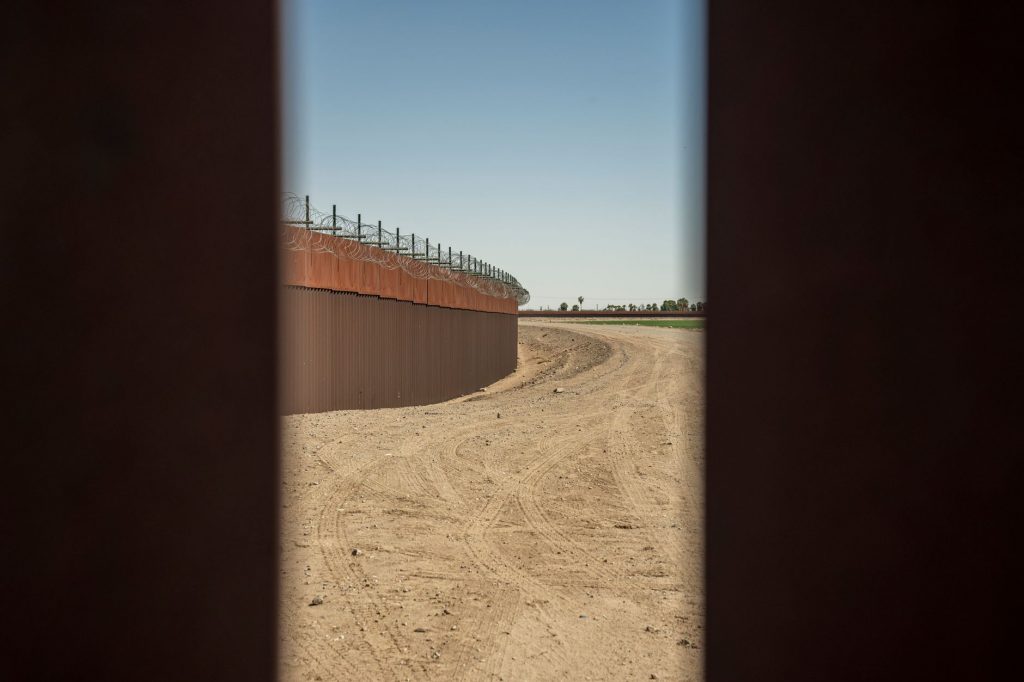
Ever wondered how two places, just a stone’s throw apart, can be worlds away yet so deeply connected? That’s the story of Ceuta, a Spanish city perched on the North African coast, and its Moroccan neighbour, Fnideq. Separated by a mere mile, these two cities share a history so tangled it’s hard to unravel, a connection built on family ties and bustling trade.
A Tale of Two Cities, One Border
Imagine a place where families have relatives on both sides of an international border, where the daily rhythm of life spills across lines drawn on maps. This is the reality for Ceuta and Fnideq. For generations, people have crossed back and forth, sharing meals, celebrating festivals, and most importantly, doing business. This constant flow has woven a fabric of interdependence, making the lives of residents in both cities intrinsically linked.
But this close relationship also means that when tensions rise, the impact is felt immediately and deeply. The recent border crisis is a stark reminder of this delicate balance. What might seem like a distant issue to us here in India, is a gut-wrenching reality for the people living on this unique frontier. It’s a situation that highlights how borders, while political, often struggle to contain the human element of shared lives and livelihoods.
More Than Just a Line on the Map
This isn’t just about politics or immigration; it’s about people. It’s about grandparents visiting grandchildren, about small businesses relying on cross-border customers, and about a culture that has evolved over centuries of shared experiences. The recent events have put a strain on these bonds, causing uncertainty and hardship. For the residents of Ceuta and Fnideq, the border isn’t just a physical barrier; it’s a complex web of relationships that has been tested before and will likely be again.
Understanding this dynamic is crucial because it shows us that borders are rarely simple. They are often layered with history, culture, and economics. The situation at the Ceuta-Fnideq border is a microcosm of how global events can ripple down and affect ordinary lives, reminding us that even the smallest geographical divides can hold immense human stories and challenges.