
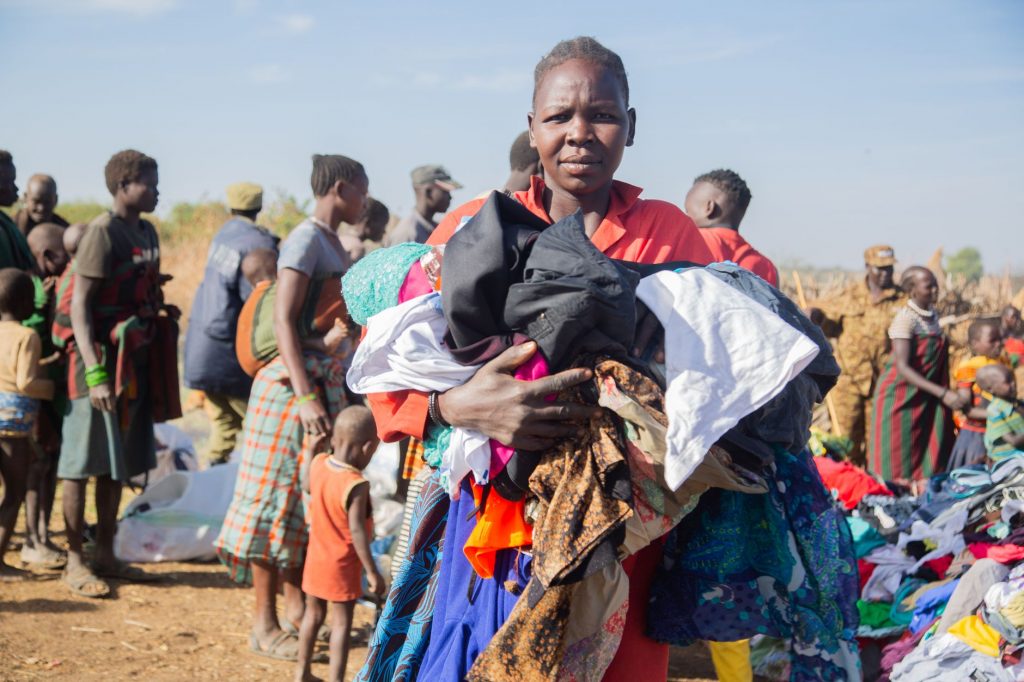
Fears of a bloodbath are escalating in El Fasher, Sudan, as the Rapid Support Forces (RSF) paramilitary group reportedly tightens its grip on the last major city not under its control. Thousands of civilians, including many who have already fled conflict elsewhere, find themselves with ‘no safe options’ as international warnings grow louder about a potential all-out assault.
A City Under Siege
El Fasher, the capital of North Darfur, has become a critical humanitarian flashpoint. It currently shelters an estimated 1.5 million people, many of whom are displaced from other parts of Sudan. The RSF’s advance has cut off vital supply routes, leading to severe shortages of food, water, and medical aid. The United Nations and various human rights organizations have expressed grave concerns, citing intelligence suggesting the RSF is preparing for a final push into the city, which could unleash further atrocities and a humanitarian catastrophe.
Escalating Violence, Desperate Pleas
The situation has been exacerbated by ongoing clashes between the RSF and the Sudanese army, with civilians caught in the crossfire. Reports indicate that the RSF has been systematically surrounding El Fasher, making any escape for residents increasingly perilous. International leaders are making urgent appeals for de-escalation and protection of civilians, but so far, these pleas have gone unanswered. The fear is that a full-scale invasion of El Fasher will lead to a repeat of the brutal violence witnessed in other Sudanese cities.
What This Means for Indians
For India, the escalating crisis in Sudan is a significant concern. New Delhi has a substantial diaspora in Sudan, and the safety of Indian citizens remains paramount. While the Indian government has a track record of successfully evacuating its nationals during such crises, the current volatile situation in El Fasher presents immense challenges. The lack of safe passage and the unpredictable nature of the conflict make any rescue operations incredibly complex and risky. The government will be closely monitoring the situation, with contingency plans likely being prepared to ensure the well-being of Indians living in or near the conflict zones.