
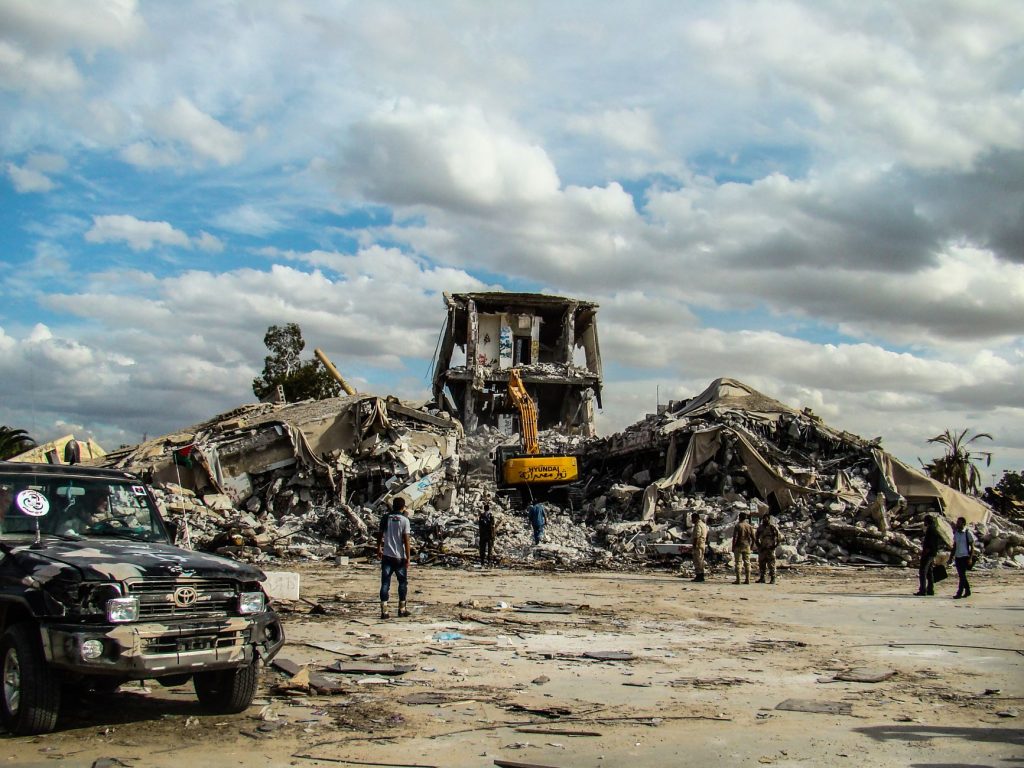
Is the ongoing conflict in Sudan more complicated than it appears? A new report from the United Nations suggests that foreign networks are playing a significant role in fueling the war, adding a worrying international dimension to the crisis.
UN Report Points Fingers at Foreign Involvement
The United Nations has released a detailed report that is causing a stir. It claims that external actors, through various foreign networks, are actively contributing to the violence and instability plaguing Sudan. While the report doesn’t name specific countries, it strongly implies that support from beyond Sudan’s borders is prolonging the conflict and making peace harder to achieve. This involvement could range from supplying weapons to providing financial backing, making the situation a regional and international concern.
Kenya Cracks Down on Foreign Traders
Meanwhile, in another part of Africa, Kenya is taking a firm stance against foreign traders. The Kenyan government has announced new measures to target and regulate businesses run by foreigners, particularly those operating in informal sectors. This move comes amidst concerns that some foreign traders might be unfairly competing with local businesses or engaging in illicit activities. The aim is to protect Kenyan entrepreneurs and ensure that the country’s economy benefits its own citizens first.
Why This Matters for India and the World
These developments in Africa are significant for us in India too. The Sudan report highlights how regional conflicts can easily draw in international players, potentially destabilizing entire continents. For India, which has strong ties with many African nations and a large diaspora, understanding these dynamics is crucial for maintaining diplomatic relations and ensuring the safety of its citizens abroad. The Kenyan crackdown also reflects a broader trend in many developing nations of prioritizing local businesses, a lesson that might resonate with our own economic policies.
The implications of these events are far-reaching. If foreign interference continues to fuel the Sudan war, it could lead to a larger humanitarian crisis and further refugee flows. Kenya’s actions, on the other hand, signal a growing assertiveness in managing its economy. As these situations evolve, keeping an eye on Africa’s political and economic landscape will be vital for understanding global trends and their impact on India.