
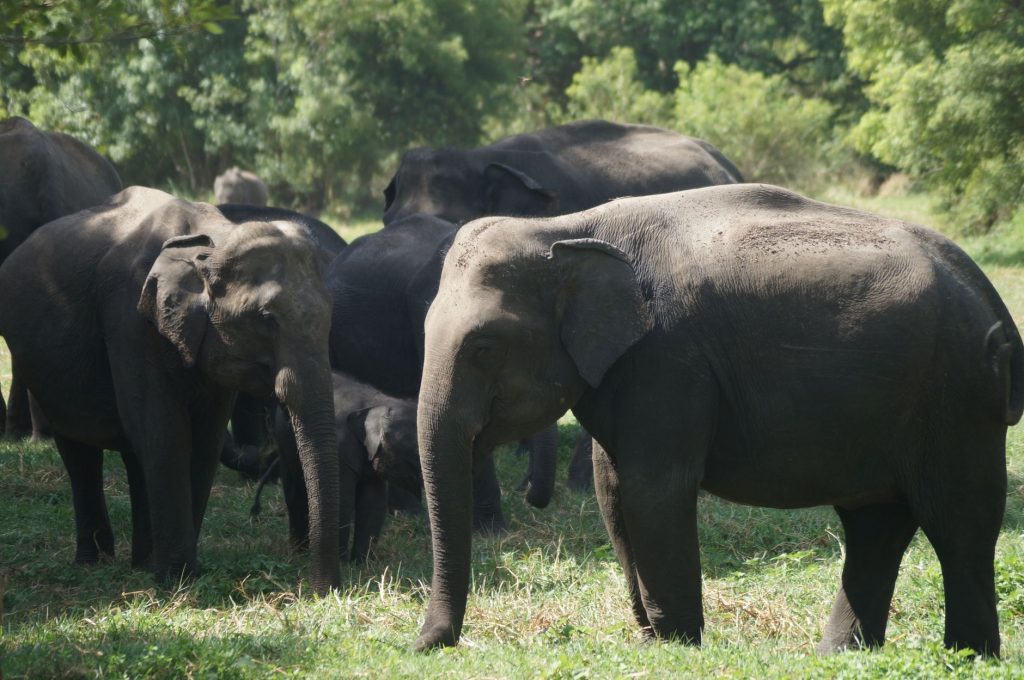
Imagine walking through your village, maybe to the market or to visit relatives. You have a path you always take, a route that’s been there for generations. Now, imagine that path suddenly being blocked because someone’s farm is in the way. It would be frustrating, right? Something similar, but on a much grander scale, is what our magnificent elephants face every day.
These gentle giants have ancient routes, called corridors, that they use to travel between their feeding grounds, water sources, and safe havens. For years, these corridors have been shrinking or getting blocked due to human activities like farming and development. This often leads to conflict, with elephants raiding crops and sometimes even causing harm to people, and vice versa. Now, in a landmark decision, India’s Supreme Court has stepped in, saying that damaged crops cannot be a reason to block these vital elephant pathways.
Protecting Nature’s Highways
The Supreme Court has made it clear that the movement of elephants is crucial for their survival and the health of our forests. They emphasized that while farmers’ concerns about crop damage are valid, these issues should be addressed through other means, not by cutting off the elephants’ natural routes. The court’s ruling essentially prioritizes the long-term ecological balance and the well-being of these majestic animals over short-term agricultural losses. It’s a strong signal that wildlife conservation must be taken seriously.
Finding Solutions for Both
This ruling doesn’t mean farmers are left to fend for themselves. Instead, it nudges us to find smarter, more sustainable ways to manage human-wildlife interactions. Experts suggest solutions like better fencing, early warning systems, and creating buffer zones where farming and elephant movement can coexist with minimal conflict. The goal is to ensure that both humans and elephants can thrive without encroaching on each other’s essential spaces. This requires cooperation between forest departments, local communities, and wildlife experts to implement these solutions effectively.
The Supreme Court’s decision is a victory for conservation and a reminder of our responsibility towards the natural world. It encourages a more thoughtful approach to development, ensuring that our progress doesn’t come at the cost of India’s rich biodiversity. The focus now shifts to implementing practical measures that protect both livelihoods and wildlife, fostering a harmonious coexistence for generations to come.