
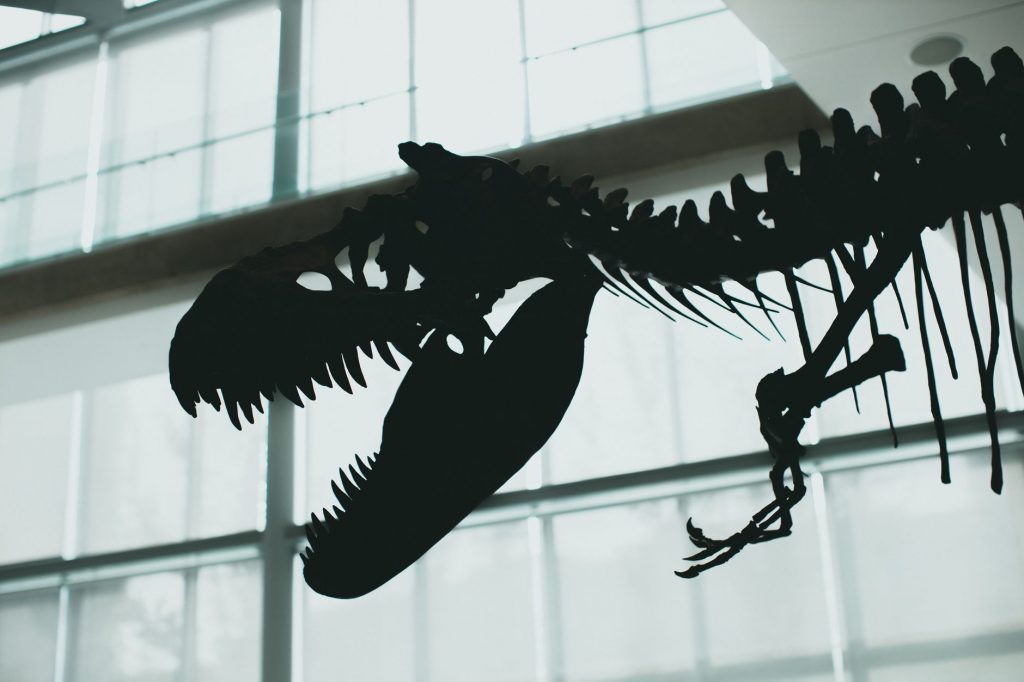
Imagine you’re on a visit to the Indian Museum in Kolkata, and you stumble upon a fascinating dinosaur exhibit. As you gaze at the ancient fossils, you can’t help but wonder about the creatures that once roamed our planet. But have you ever thought about where these fossils come from and who gets to own them? Recently, a massive T. Rex auction at Sotheby’s has raised concerns that the pursuit of wealth and hype is overshadowing the importance of scientific discovery.
In India, we have a rich history of paleontological discoveries, from the dinosaur fossils found in Gujarat to the ancient human remains unearthed in the Himalayas. However, the trend of private buyers outbidding museums for fossils is becoming increasingly alarming. This not only limits the access of researchers to these valuable specimens but also hinders our understanding of the past.
The Rise of Private Fossil Collectors
The Sotheby’s auction, which featured a nearly complete T. Rex skeleton, has sparked a debate about the role of private collectors in the world of paleontology. While some argue that these collectors are helping to preserve and promote our cultural heritage, others claim that they are driving up prices and making it impossible for museums and researchers to compete. As a result, many fossils are ending up in private hands, where they may be lost to science forever.
Dr. Ashok Sahni, a renowned Indian paleontologist, notes that the commercialization of fossils is a global phenomenon. ‘It’s not just about the money; it’s about the loss of scientific knowledge,’ he says. ‘When fossils are sold to private collectors, they often disappear from the public eye, and researchers are denied the opportunity to study them.’ This not only hampers our understanding of the past but also limits the potential for new discoveries and breakthroughs.
The Impact on Scientific Research
The consequences of private buyers outbidding museums for fossils are far-reaching. When researchers are denied access to these specimens, they are unable to conduct thorough studies, which can lead to a lack of understanding about the evolution, behavior, and habitats of ancient creatures. This, in turn, can have significant implications for fields such as biology, geology, and environmental science.
For instance, the study of dinosaur fossils can provide valuable insights into the Earth’s climate, geology, and ecosystems. By analyzing the fossil record, scientists can reconstruct the history of our planet and better understand the complex interactions between living organisms and their environments. However, when fossils are locked away in private collections, this knowledge is lost, and our understanding of the natural world is diminished.
A Call to Action
So, what can be done to address this issue? Dr. Sahni suggests that governments and regulatory bodies must take a more active role in protecting fossil specimens and ensuring that they are preserved for the benefit of science and society. ‘We need to create a system where fossils are treated as a shared cultural heritage, rather than a commodity to be bought and sold,’ he says.
In India, there are already laws in place to regulate the trade of fossils and cultural artifacts. However, more needs to be done to raise awareness about the importance of preserving our paleontological heritage. By working together, we can ensure that these valuable specimens are protected and made available for scientific research, education, and public enjoyment.
In conclusion, the Sotheby’s T. Rex auction has highlighted the need for a more nuanced approach to the trade of fossils. As Indians, we have a rich cultural and scientific heritage, and it is our responsibility to protect and preserve it for future generations. By promoting a culture of science and discovery, we can ensure that our natural history is not lost to the highest bidder.