
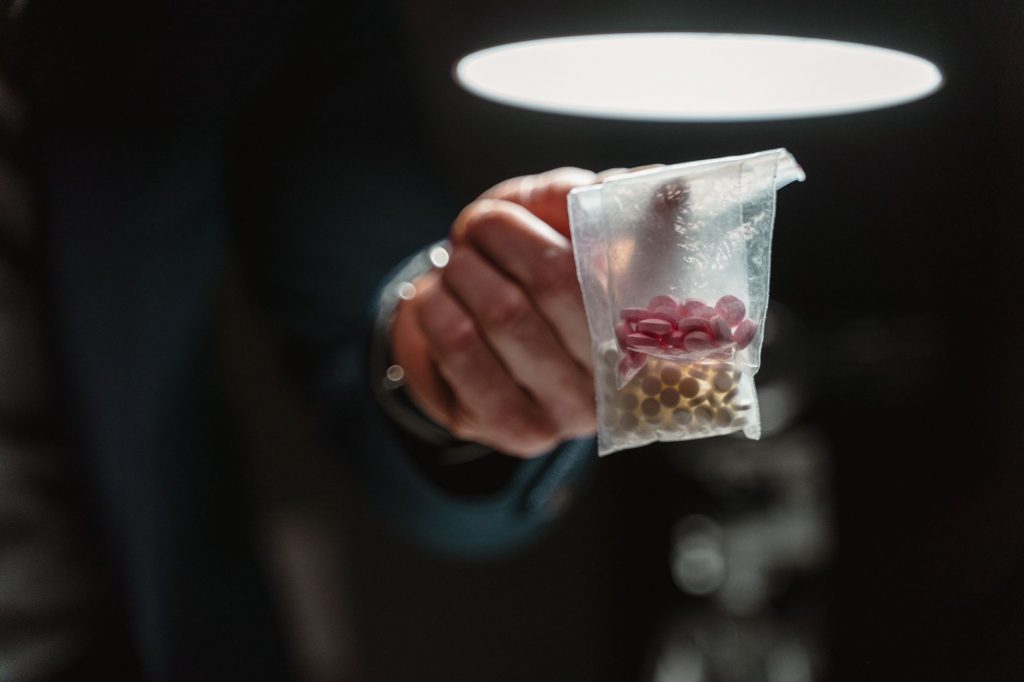
The Indian government has taken a significant step to curb the rising abuse of Tapentadol, a potent painkiller that has been making headlines for all the wrong reasons.
Tapentadol, a synthetic opioid, has been gaining popularity in India in recent years, with patients and doctors citing its effectiveness in managing chronic pain. However, the rapid increase in its use has raised concerns about the potential for abuse and addiction.
According to sources, the Centre has decided to reclassify Tapentadol as a Schedule H drug, which means that it will only be available on prescription and will have stricter regulations surrounding its sale and distribution.
A Brief History of Tapentadol’s Rise to Prominence
Tapentadol was first introduced in India a few years ago as a treatment for moderate to severe pain. Initially, it was marketed as a safer alternative to traditional opioids, such as morphine and fentanyl. However, as more patients began to take the medication, reports of abuse and addiction started to surface.
Doctors and patients alike were initially oblivious to the risks associated with Tapentadol. Many patients began to use it recreationally, taking higher doses than prescribed to experience a ‘high’. The situation soon spiralled out of control, with reports emerging of people turning to Tapentadol as a substitute for heroin and other illicit substances.
The Centre’s Decision: A Step in the Right Direction?
Reclassifying Tapentadol as a Schedule H drug is a significant step forward in addressing the issue of abuse and addiction. This move will ensure that patients and doctors are aware of the risks associated with the medication and take necessary precautions.
However, some experts have expressed concerns that the reclassification may not be enough to curb the abuse of Tapentadol. ‘While the Centre’s decision is a welcome step, it is only a part of the solution,’ said Dr. Ramesh, a leading pain management specialist. ‘We need to focus on educating doctors and patients about the risks associated with Tapentadol and provide alternative treatments for chronic pain.’
What Does This Mean for Indians?
The Centre’s decision to reclassify Tapentadol as a Schedule H drug is a clear indication of the government’s commitment to addressing the issue of drug abuse and addiction. However, it is just the beginning.
For patients suffering from chronic pain, this move may seem like a step backwards. However, it is essential to note that there are alternative treatments available that are just as effective, if not more so, than Tapentadol. Doctors and patients must work together to explore these options and find a solution that suits everyone’s needs.
The government’s decision is a reminder that drug addiction is a serious issue that requires a multi-faceted approach. It is time for Indians to come together to address this problem head-on and find sustainable solutions that benefit everyone.