
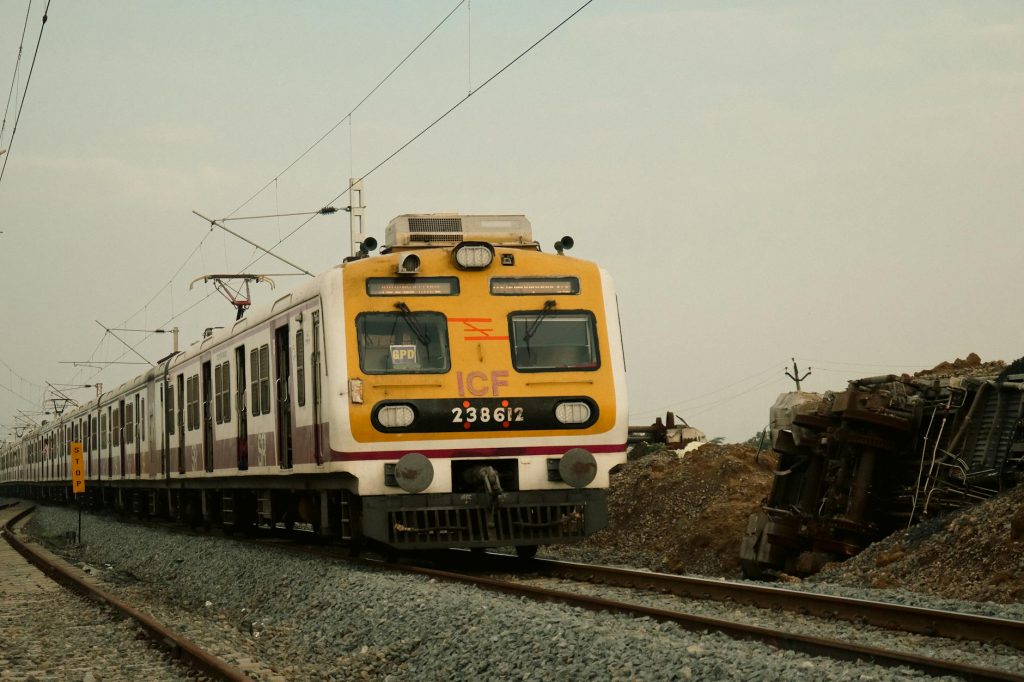
A locomotive went off the rails in Kalamassery, Kochi on Thursday, throwing rail operations into chaos and leaving hundreds of commuters stranded across multiple train services. The incident brought traffic to a standstill on one of Kerala’s busiest railway corridors, affecting both local and long-distance trains.
By the time railway officials managed to stabilize the situation, several trains had already been delayed by hours. Passengers were left scrambling for alternative arrangements, with some waiting on platforms in the sweltering heat for updates that seemed to come too slowly.
What Happened and Why It Matters
The locomotive derailed near Kalamassery station, a crucial junction point in Kochi’s suburban rail network. This isn’t just another technical glitch — Kalamassery handles a massive volume of daily commuters who depend on trains to get to work, college, and back home. When a single locomotive goes wrong here, the ripple effect spreads across the entire system.
Railway officials rushed to the spot and began clearing the tracks. The derailment investigation is ongoing, but early reports suggest it could be related to track conditions or mechanical failure. Either way, it’s a reminder of how fragile rail infrastructure can be when maintenance isn’t up to the mark.
What made things worse? The lack of real-time information. Commuters complained about vague announcements and confusing updates. Some travelers spent hours at stations without knowing if their train would come or if they should book a cab instead.
The Bigger Picture for Indian Railways
This incident isn’t isolated. Across India, derailments remain a safety concern that refuses to go away. While fatal accidents have decreased thanks to better signaling systems, operational hiccups like this one still disrupt millions of journeys every year.
For regular commuters in Kochi, this is particularly frustrating. Kerala’s railway network is already under strain with aging infrastructure and increasing demand. Every breakdown means thousands of people miss meetings, classes, and important commitments.
The railway authorities have their work cut out. They need to invest in better track maintenance, upgrade signaling systems, and most importantly, improve communication with passengers during emergencies. Nobody expects trains to never have problems — but they do expect clear, honest information when things go wrong.
If you’re a regular traveler on this route, keep an eye on official announcements over the next few days. The railway will likely operate special services or modified schedules as they repair the tracks and investigate what went wrong. Stay updated, plan extra buffer time, and don’t hesitate to explore alternative transport options if you have urgent travel plans.