
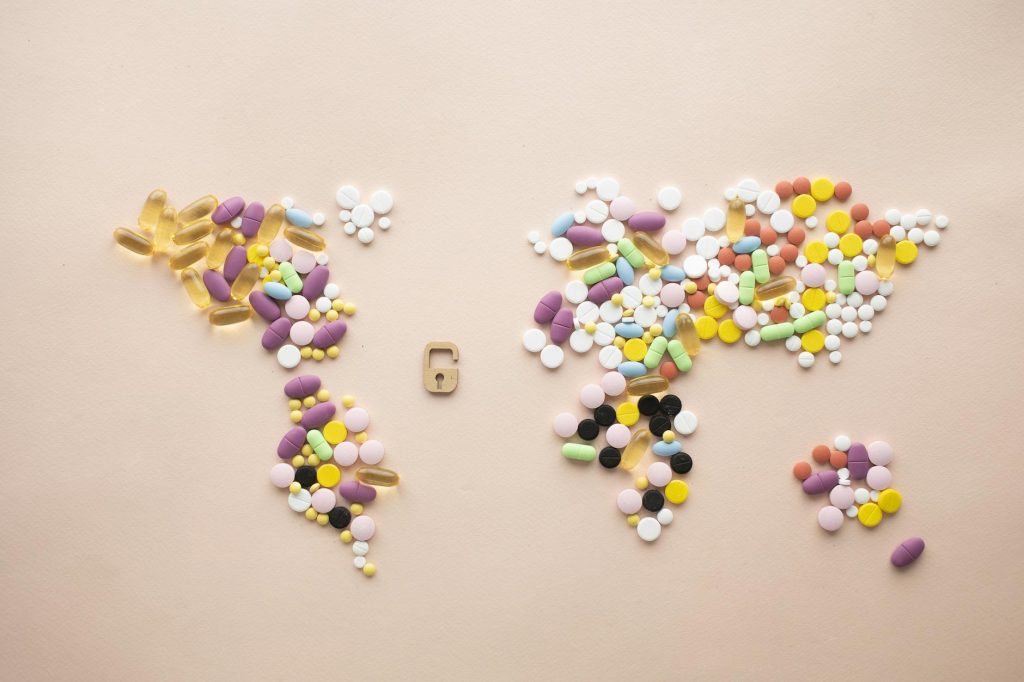
Imagine waking up to find the rulebook of international relations has been rewritten overnight. That’s essentially what’s happening as the Trump administration takes a wrecking ball to decades-old global agreements and alliances that shaped how countries trade, defend themselves, and cooperate.
For India, this shift matters more than you might think. The global order that emerged after World War II — built on institutions like the UN, trade agreements, and military alliances — is being questioned and dismantled in ways we haven’t seen before.
What’s Actually Happening?
Trump’s administration is pulling back from international commitments left and right. Trade agreements are being renegotiated aggressively. Military alliances that seemed permanent are now being questioned. Even climate accords are being abandoned. It’s like watching someone flip the table in the middle of a chess game.
The U.S. has traditionally been the guarantor of this global system — not always perfectly, but consistently. Now, there’s uncertainty about whether America will continue playing that role. Countries worldwide are scrambling to figure out what comes next.
For India specifically, this creates both challenges and opportunities. On one hand, the stable, rules-based system India has benefited from is shaking. On the other, India might have more room to pursue independent foreign policy without U.S. pressure.
What Could Replace the Old System?
Experts aren’t sure yet. Some predict a fragmented world where regional powers dominate their own spheres of influence. Others see increased protectionism, where every nation looks out for itself first. A few imagine a completely different architecture altogether.
What’s clear: we’re in transition territory. The old playbook doesn’t apply anymore, and nobody’s written the new one yet. This could mean more volatility in trade, unpredictability in geopolitics, and reshuffling of who influences whom.
For Indians, this is particularly relevant when we think about trade ties with America, energy security, tech partnerships, and defense cooperation. If the global order changes dramatically, all these areas could shift.
India will likely need to be more strategic about building direct relationships with various countries instead of relying on a U.S.-led system. This is actually something India’s been doing — strengthening ties with Japan, Europe, Southeast Asia, and others.
The world is at an inflection point. What emerges from this disruption will shape geopolitics, economics, and everyday life for decades. For India, staying nimble and diversifying relationships might be the smartest play in this increasingly uncertain game.