
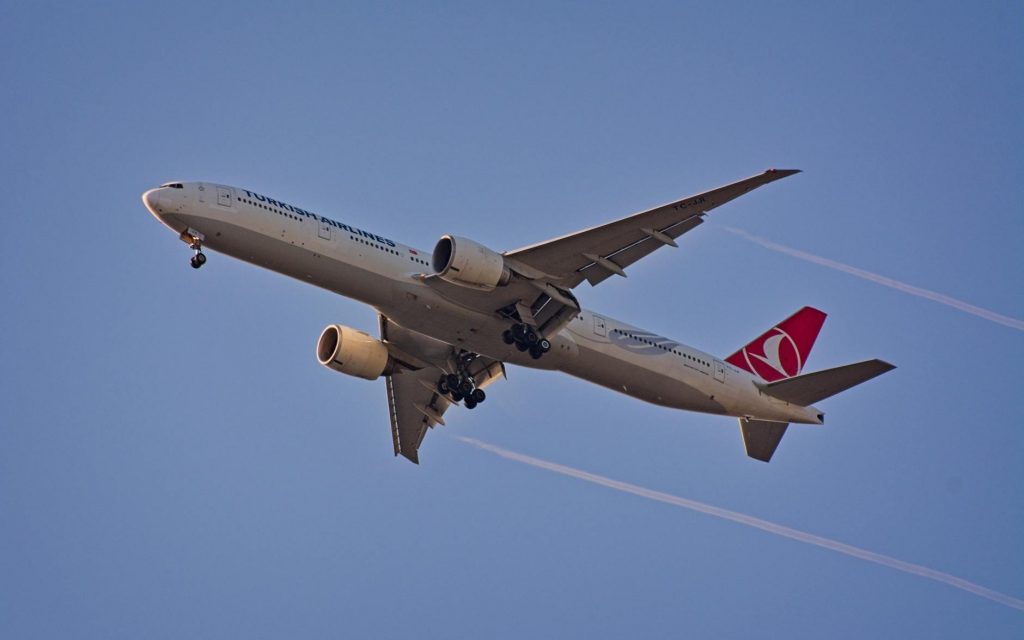
A Turkish Airlines flight made a dramatic emergency landing at Netaji Subhas Chandra Bose International Airport in Kolkata on Tuesday after the aircraft caught fire during flight. The plane, carrying passengers and crew, managed to touch down safely, and all occupants were evacuated without any reported injuries.
The incident sent alarm bells ringing across West Bengal’s aviation hub. Airport authorities immediately activated emergency protocols, positioning fire tenders and rescue vehicles on the runway even before the aircraft landed. The quick response from ground staff ensured that what could have been a catastrophic situation was handled smoothly.
What Triggered the Emergency?
According to preliminary reports, smoke was detected in one of the aircraft’s systems during the flight. Pilots detected the anomaly and immediately informed air traffic control at Kolkata. The crew made the split-second decision to divert to the nearest airport rather than continue to their destination—a textbook example of aviation safety protocols in action.
The exact cause of the fire remains under investigation. Turkish Airlines, one of the world’s largest carriers, has already initiated a formal probe into the technical malfunction. Engineers are examining the aircraft to determine whether the issue was mechanical, electrical, or related to another system.
Airport Response and Next Steps
Kolkata airport’s emergency response was swift and coordinated. Ground staff evacuated all passengers quickly once the aircraft came to a complete stop. Thankfully, no one required hospitalisation, though passengers reported being shaken by the experience.
The aircraft has been grounded at Kolkata for inspection and repairs. Turkish Airlines is arranging alternative flights for passengers who were aboard, and the airline has apologised for the disruption and inconvenience caused.
This incident highlights why rigorous maintenance checks and crew training matter so much in aviation. India’s skies have seen remarkable safety improvements over the past decade, with strict regulations and adherence to international standards becoming the norm rather than the exception.
The Directorate General of Civil Aviation (DGCA) is also expected to examine the incident as part of its oversight responsibilities. Any systemic issues identified could lead to additional safety bulletins for airlines operating in Indian airspace.
For travellers, this is a reminder that modern aviation safety systems work exactly as designed—when something goes wrong, multiple layers of protection kick in to keep everyone safe. All eyes will now be on the investigation report to understand what caused the fire and whether similar aircraft need precautionary checks.