
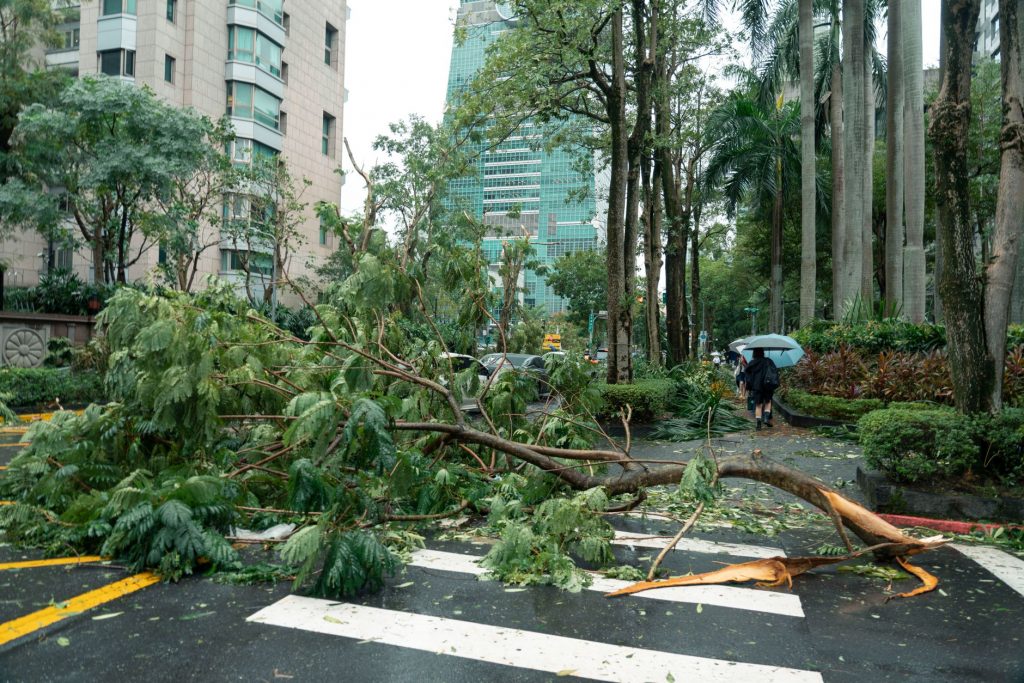
Japan faced a significant threat as Typhoon Dujuan made landfall, prompting urgent calls for millions to evacuate their homes. The nation’s meteorological agency had initially sounded an alarm, warning of a severe danger to life as the storm approached with considerable force. While the immediate threat level has since been revised downwards, the impact of Dujuan has been substantial, causing widespread disruption and concern across affected regions.
Widespread Disruption and Warnings
The powerful typhoon brought with it torrential rains and destructive winds, leading to widespread power outages and significant damage to infrastructure. Authorities spared no effort in urging residents in vulnerable areas to seek safer ground, implementing extensive evacuation plans. The scale of the warnings underscored the potential severity of the storm, with officials emphasizing preparedness and public safety as paramount. Images of flooded streets and damaged property have begun to emerge, painting a grim picture of the typhoon’s destructive path.
Impact on Daily Life and Economy
Beyond the immediate danger, Typhoon Dujuan has significantly disrupted daily life for millions. Transportation networks, including flights and train services, have been severely affected, leaving many stranded and impacting the nation’s economic activities. Businesses have had to close their doors, and supply chains could face disruptions in the coming days. The agricultural sector, a vital part of Japan’s economy, is also at risk of substantial losses due to crop damage from the heavy rains and winds.
Looking Ahead: Recovery and Resilience
As the typhoon moves away, the focus now shifts to relief and recovery efforts. Emergency services are working tirelessly to assess the damage, provide aid to those displaced, and restore essential services. The resilience of the Japanese people in the face of natural disasters is well-known, and communities are expected to come together to rebuild and support one another. However, the long-term economic and social consequences of Typhoon Dujuan will likely be felt for some time, requiring sustained efforts in reconstruction and preparedness for future events.