
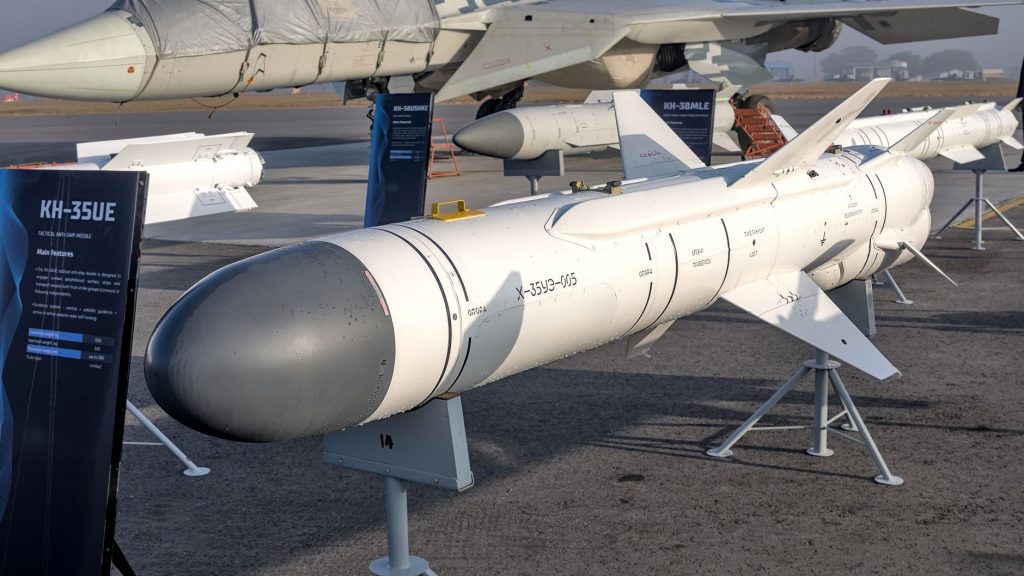
Are Iran’s aggressive actions in the Middle East escalating tensions worldwide? The answer lies in the recent missile strike on an oil tanker in the Strait of Hormuz.
The United Arab Emirates (UAE) has accused Iran of firing a missile at an ADNOC oil tanker in the Strait of Hormuz, a critical waterway that connects the Persian Gulf to the Gulf of Oman. This incident marks the latest in a series of escalating tensions between the two nations.
Tensions Escalate in the Strait of Hormuz
The Strait of Hormuz is a vital shipping route that accounts for around 20% of the world’s oil exports. It has long been a flashpoint for tensions between Iran and its Gulf neighbours. In recent years, there have been several incidents involving Iranian vessels and tankers in the region, further exacerbating tensions.
The missile strike on the ADNOC vessel is the latest in a series of aggressive actions by Iran in the region. Just last month, Iran seized a South Korean oil tanker, further straining relations between the two nations. The UAE has accused Iran of violating international maritime law and destabilizing the region.
What are the Implications of this Incident?
The implications of this incident are far-reaching and have significant implications for global energy markets. The attack on the ADNOC vessel has raised concerns about the safety of oil tankers in the region and has led to a surge in oil prices. The International Energy Agency (IEA) has warned that any disruption to oil supplies in the region could have serious consequences for the global economy.
The incident has also sparked a diplomatic row between the UAE and Iran. The UAE has summoned the Iranian ambassador to protest the attack, while Iran has denied any involvement in the incident. The diplomatic row has escalated tensions between the two nations and has raised concerns about the stability of the region.
What’s Next for the Region?
The incident highlights the need for de-escalation in the region and a return to diplomacy. The UAE and Iran have a long history of conflict, and it’s essential that both nations work towards finding a peaceful resolution to their differences.
The international community must also play a role in de-escalating tensions in the region. The United States, in particular, has a significant interest in the region and must work to prevent any further escalation of tensions. The European Union and other global powers must also play a role in promoting peace and stability in the region.
In conclusion, the recent missile strike on an ADNOC oil tanker in the Strait of Hormuz is a worrying development that highlights the need for de-escalation in the region. The international community must come together to promote peace and stability in the region and prevent any further escalation of tensions.
The incident serves as a reminder of the critical importance of the Strait of Hormuz to global energy markets and the need for stability in the region. It’s essential that all parties involved work towards finding a peaceful resolution to their differences and preventing any further escalation of tensions.