
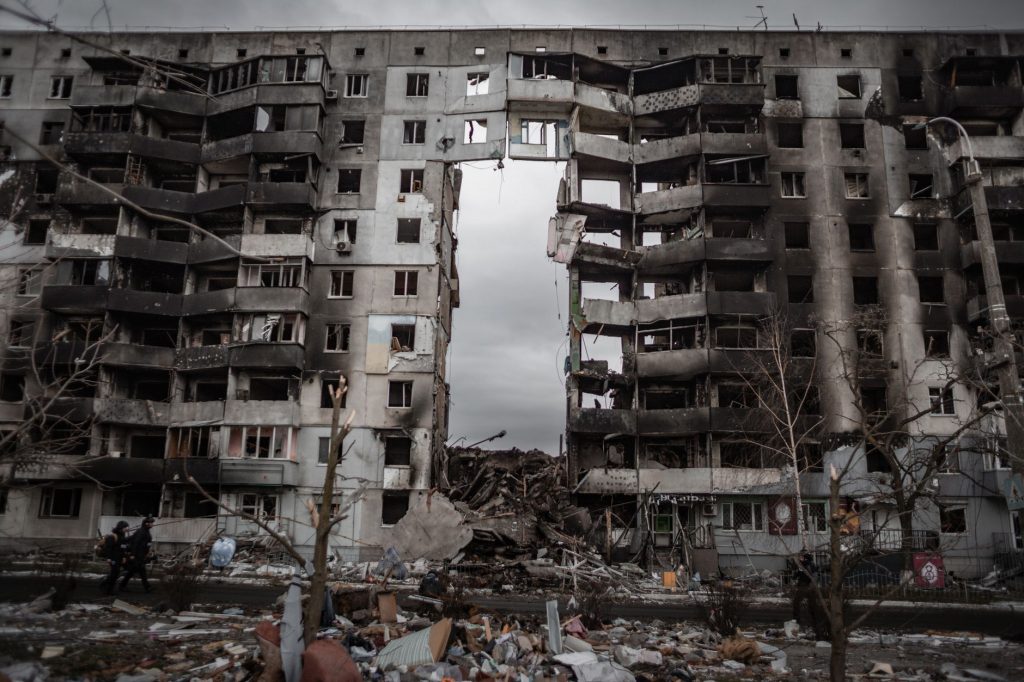
Imagine the tension in your neighbourhood when two big disputes erupt simultaneously – one nearby, another far away, but both causing global ripples. That’s the mood at the United Nations right now, as leaders grapple with the ongoing conflicts in Ukraine and Iran. Both situations are far from resolved, and the world body is once again the stage for urgent appeals and stark warnings.
Ukraine’s Plea for Unity
Ukraine’s President Volodymyr Zelenskyy, a familiar voice on the global stage, once again addressed the UN General Assembly, his message resonating with a call for unwavering international support. He painted a grim picture of the ongoing war, emphasizing the human cost and the threat to global stability. Zelenskyy urged member nations to stand united against aggression, reminding them that the principles of sovereignty and territorial integrity are under attack, a concept many in India understand deeply, given our own history and neighbourhood dynamics.
Iran’s Perspective on Regional Tensions
Joining Zelenskyy in addressing the assembly was Iran’s President Ebrahim Pezeshkian. His speech offered a different, yet equally critical, perspective, focusing on regional security and the complexities of the Middle East. Pezeshkian spoke about the need for dialogue and de-escalation, highlighting the interconnectedness of global security and the impact of external interventions. For Indian policymakers and citizens, understanding Iran’s viewpoint is crucial, given India’s own strategic interests in the Persian Gulf region and its commitment to a stable world order.
Global Implications and Expert Views
The parallel discussions on these two major conflicts underscore a world facing multiple crises. Experts point out that the UN, while often criticized for its limitations, remains the primary forum for such high-level diplomacy. The speeches by Zelenskyy and Pezeshkian are not just symbolic; they are crucial in shaping international opinion, galvanizing aid, and potentially paving the way for future negotiations. The ongoing wars in Ukraine and Iran have direct and indirect consequences for India, affecting energy prices, trade routes, and regional stability, making these UN deliberations vital for our nation’s security and economic well-being.
What Lies Ahead?
The UN General Assembly provides a platform, but the real work of resolving these complex conflicts lies in sustained diplomatic efforts and the willingness of all parties to engage constructively. The world watches to see if these impassioned pleas translate into tangible actions and a renewed commitment to peace, a sentiment that resonates deeply across India.