
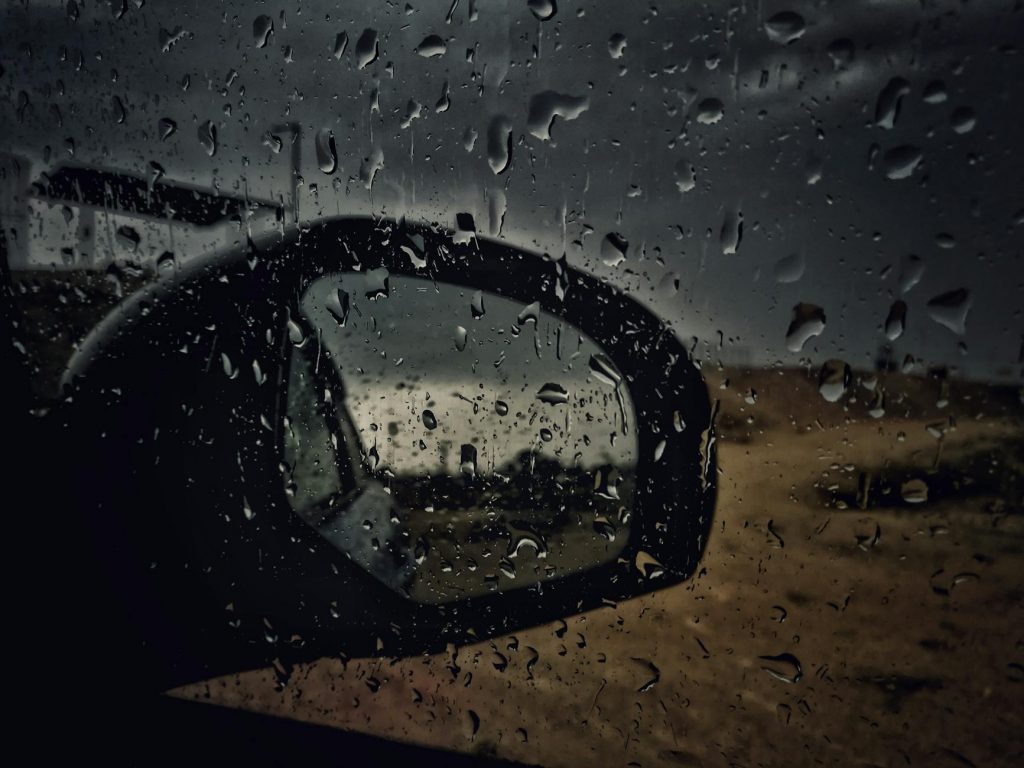
A western disturbance moving across northern India is set to bring significant rainfall to Uttar Pradesh’s major cities over the coming days, with meteorologists warning that the showers will sharply intensify the ongoing cold wave across Ghaziabad, Noida, and Lucknow.
The India Meteorological Department has flagged the approaching system, which typically brings moisture-laden winds from the Arabian Sea and the Mediterranean region. For the National Capital Region and eastern UP, this means a combination of rain and plummeting temperatures—a double hit that residents are bracing for after already experiencing several chilly days.
What to Expect in Your City
Ghaziabad and Noida residents should prepare for moderate to heavy rainfall starting as early as today or tomorrow, with temperatures expected to dip by 4-6 degrees Celsius once the rain sets in. The cold wind patterns accompanying the disturbance will make it feel significantly colder than the actual temperature reading.
Lucknow, though geographically further east, won’t escape either. The state capital will see scattered to moderate rainfall with a similar temperature drop. Morning and evening hours are likely to feel especially harsh, with mercury potentially touching single digits in some areas by next week.
Why This Matters Right Now
This particular combination of rain and cold is more severe than a typical winter day because the wet conditions trap heat loss. Wet clothes, damp air, and windy conditions create a dangerous environment for vulnerable groups—elderly citizens, young children, and those with respiratory conditions need extra care.
Commuters heading to offices or schools in Delhi-NCR should plan for slippery roads and reduced visibility. Traffic delays are almost certain during peak hours, especially on Delhi-Ghaziabad highways where waterlogging typically occurs.
Farmers in the region face a critical juncture too. Excessive rainfall at this time of the winter crop cycle can damage standing crops like wheat and chickpea if drainage isn’t managed properly. Agricultural officials are already advising farmers to ensure proper water management in their fields.
What Happens Next
The rainfall is expected to last 2-3 days, after which conditions should gradually improve. However, the cold wave will persist even after the rain stops, with daytime temperatures remaining below seasonal averages for at least another week.
State meteorologists suggest residents keep an eye on updates from the IMD website, as the exact intensity and timing of the rain could shift depending on how the western disturbance evolves. The Uttar Pradesh disaster management authority hasn’t issued any red alerts yet, but authorities are on standby for any emergency situations.
If you’re stepping out, carry an umbrella, wear layers, and stay updated with local weather bulletins—this winter surprise demands your attention.