
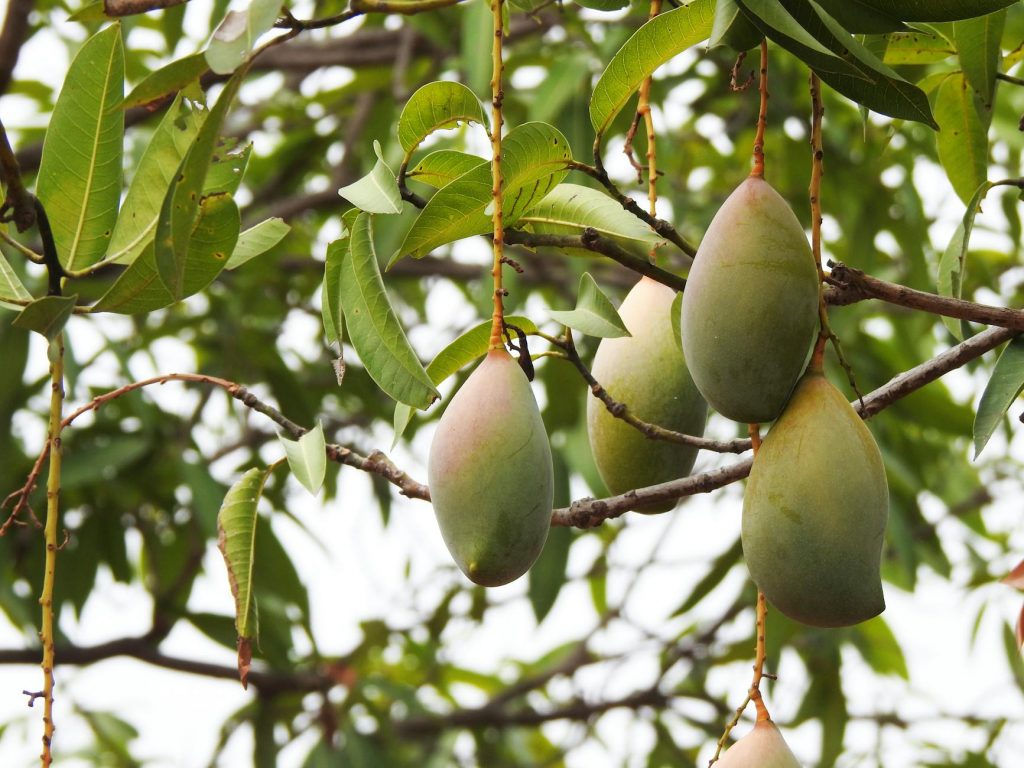
Uttar Pradesh just got its first large-scale fruit winery, and it’s not your typical wine story. This ₹10 crore facility near Lucknow is turning local fruits—especially mangoes—into craft beverages like fruit wines and mead. It’s a big deal for a state that’s usually known for sugarcane and wheat, not wine production.
The winery represents something interesting happening across India right now. While traditional wine regions in Himachal Pradesh and Maharashtra get all the attention, entrepreneurs are experimenting with what grows locally. Why import grapes when you can ferment what’s already thriving in your backyard?
Why This Matters for UP
This isn’t just about making a fancy drink. The facility is expected to create jobs—both in production and tourism. People will visit, taste, buy, and suddenly you’ve got a new revenue stream for the region. It’s the kind of value-addition that agricultural economists keep talking about.
Mangoes are huge in UP. The state produces some of India’s finest varieties, yet most mangoes either get sold fresh or turned into pulp. A winery changes that equation. One mango farmer could now sell to the winery instead of just the wholesale market, potentially getting better prices.
The ₹10 crore investment also signals confidence in UP’s agri-business potential. It tells other entrepreneurs that there’s money to be made by thinking differently about traditional crops.
What’s Next for the Winery
The facility has already opened its doors, which means you might actually be able to visit and try what they’re making. Agri-tourism is picking up pace in India, and a winery combines that beautifully with local farming heritage.
The real test will be whether these fruit wines and meads find buyers beyond curious tourists. National distribution, export permits, and brand building will take time. But if they pull it off, this could inspire similar ventures across UP and other states.
There’s also the question of sustainability. Where will the fruit come from year-round? Can the winery work with local farmers on a contract basis? These operational details will determine whether this remains a novelty or becomes a genuine agricultural innovation.
For now, what’s clear is that someone in UP looked at mangoes and thought—why not wine? That kind of thinking, backed by serious investment, is exactly what India’s agriculture sector needs right now.