
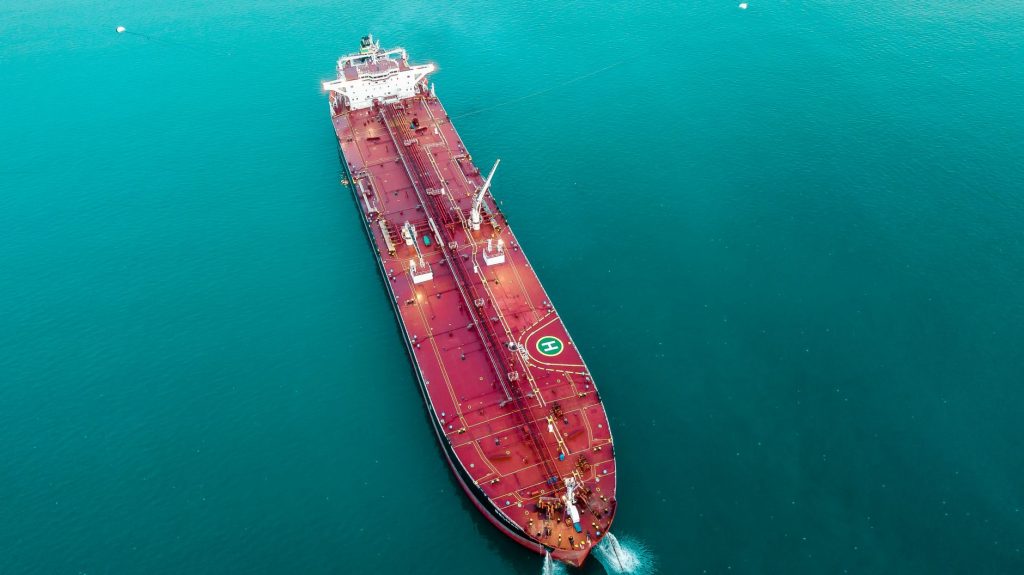
The United States has released dramatic footage capturing the moment it struck an Iranian oil tanker, sending a clear message to Tehran. The video, shared widely, shows a precise strike on the vessel, underscoring Washington’s capability and resolve in enforcing sanctions and deterring illicit oil trade.
US Flexes Muscle, Iran’s Oil Under Fire
This aggressive display of power comes amidst escalating tensions in the Persian Gulf, a crucial waterway for global oil supplies, including those vital to India’s energy security. The US move is aimed at disrupting Iran’s alleged clandestine oil shipments, which are believed to be funding destabilizing activities in the region. By publicly showcasing the strike, the US is not only enforcing its policy but also sending a stern warning to any entity attempting to circumvent international sanctions through illicit means. The visual evidence serves as a powerful deterrent, leaving little room for ambiguity about the consequences of non-compliance.
A Taunt Wrapped in Military Might
Beyond the military action, the US has added a layer of what can only be described as a cheeky dig at the Iranian regime. The accompanying commentary and the timing of the release appear designed to provoke and embarrass Tehran, highlighting what they perceive as Iran’s futile attempts to operate outside the established international order. This ‘soft power’ element, using public relations and a touch of online bravado, complements the hard military power, aiming to demoralize and isolate Iran on the international stage. It’s a modern warfare tactic, where information and perception are as critical as the physical strike itself.
Implications for India and Beyond
For India, a nation heavily reliant on oil imports, any disruption or escalation of conflict in the Persian Gulf is a significant concern. While the US action targets Iranian oil, the broader implications for regional stability and the flow of oil cannot be ignored. This incident highlights the complex geopolitical chessboard in the Middle East and the constant balancing act required by countries like India to ensure their energy needs are met without being drawn into wider conflicts. The coming days will likely see further diplomatic exchanges and possibly retaliatory actions from Iran, making this a situation to watch closely.