
Imagine a neighbour buying a brand new, high-tech security system, only for whispers to emerge that its sophisticated blueprints might fall into the wrong hands – perhaps even those of someone with a history of rivalry. This isn’t just a neighbourhood gossip; it’s the heart of a complex geopolitical dilemma unfolding across the globe, with potential ripple effects that even touch us here in India.
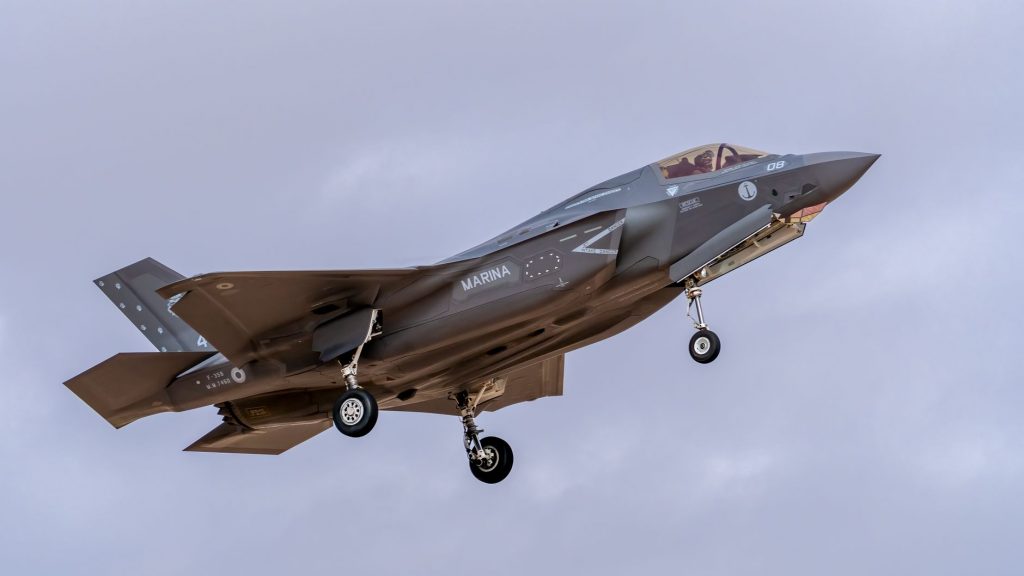
The United States, under President Trump’s administration, is reportedly pushing forward with a significant arms deal, intending to sell advanced F-35 fighter jets to Saudi Arabia. This move, however, is raising serious alarm bells within the very intelligence agencies tasked with safeguarding American national security. Internal assessments, as reported, highlight a critical concern: the potent risk of China gaining access to or even outright stealing the highly classified technology embedded within these state-of-the-art warplanes.
Intelligence Red Flags Raised
The core of the apprehension lies in the sophisticated nature of the F-35. These are not just any aircraft; they represent a quantum leap in aerial warfare technology, boasting stealth capabilities, advanced sensors, and complex networking systems. US intelligence agencies, in their confidential briefings, have apparently indicated that if these jets land in Saudi Arabia, and given the Kingdom’s existing technological ties and potential vulnerabilities, there’s a tangible threat of Chinese intelligence agencies managing to acquire this cutting-edge information. This could potentially compromise the F-35’s technological edge, a cornerstone of American military dominance.
Strategic Implications for India
For India, a nation that continually navigates a delicate balance in regional security and maintains its own strategic partnerships, such developments are far from inconsequential. The proliferation of advanced military hardware, especially with the possibility of technology transfer to adversaries or potential rivals, directly impacts the regional power dynamics. While India focuses on bolstering its own defence capabilities and maintaining strategic autonomy, the notion of US defence secrets potentially reaching China, a nation with which India shares a complex and often tense border, warrants close observation.
Experts in defence and international relations point out that such arms sales are rarely just about the immediate transaction. They involve intricate considerations of regional stability, technological security, and long-term strategic alignment. The potential for the F-35’s secrets to be compromised by China could necessitate a re-evaluation of existing security architectures and alliances, creating a more unpredictable geopolitical landscape. The ultimate decision by the US administration will likely be a tightrope walk between immediate economic and diplomatic gains and the far more critical, long-term implications for global technological security and military balance.