
As night falls, millions of Indians gaze up at the stars, mesmerized by the twinkling celestial map above. But what if we could illuminate the night sky with reflected sunlight?
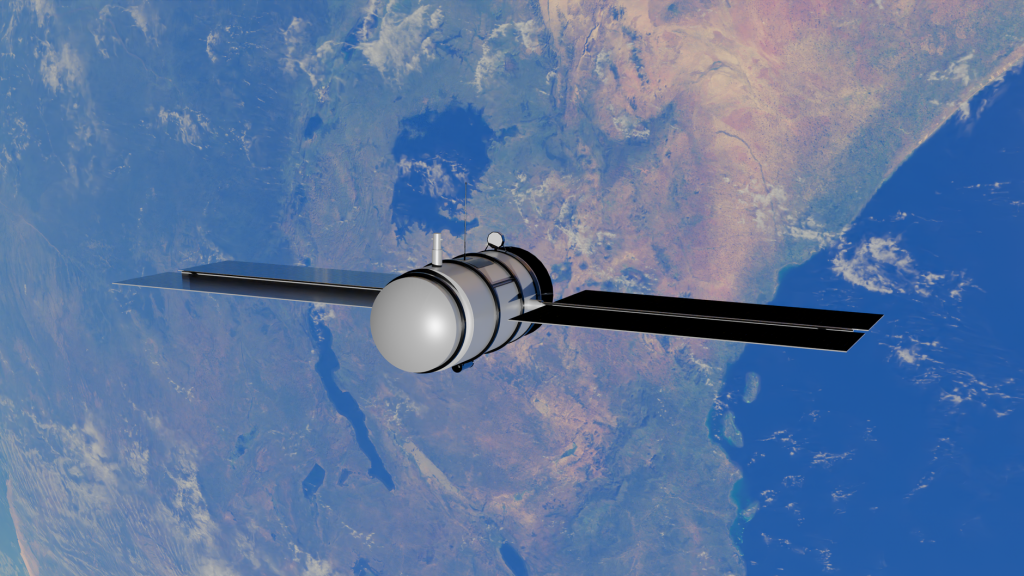
That’s the promise of the Eärendil-1 mirror satellite, recently approved by the US Federal Communications Commission (FCC) for launch. The brainchild of Reflect Orbital, this cutting-edge technology has left astronomers around the world in a state of unease.
How Does It Work?
Imagine a massive satellite orbiting the Earth, equipped with a massive mirror that can reflect sunlight towards our planet. This would essentially create artificial daylight, illuminating the night sky and making it possible to see objects in the dark. The potential applications are vast – from disaster relief to search and rescue operations.
However, not everyone is thrilled about this innovation. The European Southern Observatory (ESO), a leading astronomical research center, has voiced concerns about the impact on optical astronomy. ‘This poses an existential threat to our field,’ an ESO spokesperson warned. ‘Imagine trying to study the night sky with a giant mirror reflecting sunlight everywhere.’
What Are the Implications?
The ESO’s concerns are not unfounded. Optical astronomy relies heavily on the darkness of the night sky to study celestial objects. With a mirror satellite reflecting sunlight, astronomers would struggle to collect accurate data, potentially leading to a setback in our understanding of the universe.
But what about the benefits? Proponents of the Eärendil-1 argue that it could revolutionize fields like search and rescue, disaster relief, and even environmental monitoring. In a country like India, where millions of people live in remote areas with limited access to electricity, this technology could be a game-changer.
The Road Ahead
As the Eärendil-1 prepares to launch, astronomers and policymakers are left to ponder the implications of this technology. Will it revolutionize the way we approach problems, or will it disrupt the delicate balance of our understanding of the universe?
One thing is certain – the world is about to witness a new era of innovation, one that could change the way we live, work, and explore the world around us.