
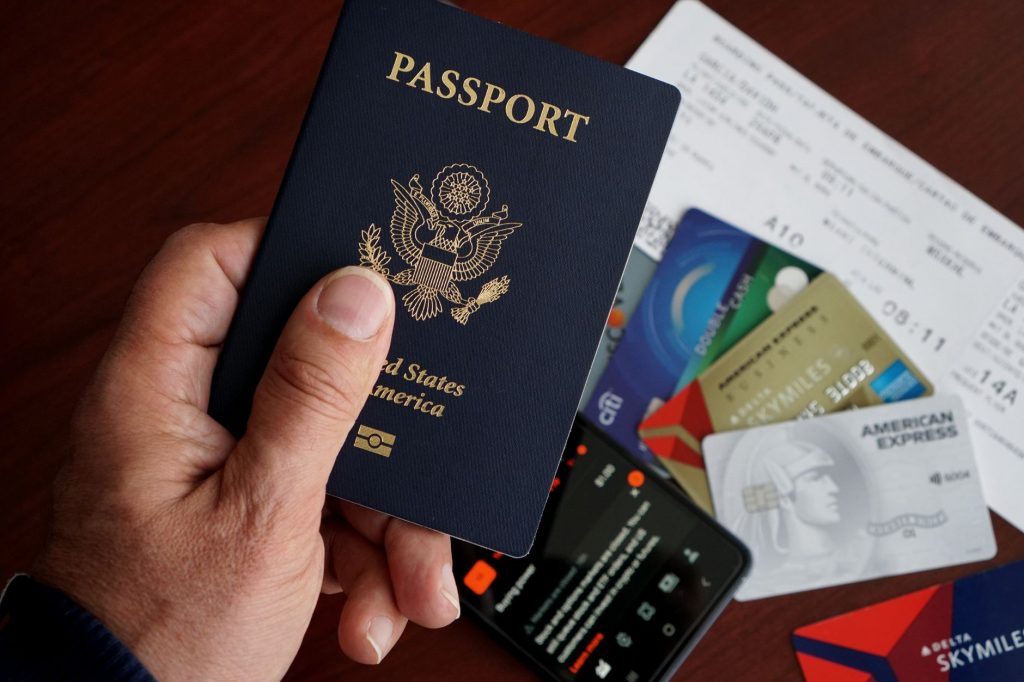
Imagine waiting nearly two centuries for a permanent residency in the United States. That’s the grim reality facing skilled Indian professionals seeking Green Cards through employment-based visas. A staggering backlog, exacerbated by country-specific quotas, has pushed the estimated wait time to an astonishing 179 years, a figure that is not just a statistic but a life-altering prospect for thousands.
The Unyielding Backlog
This unprecedented delay stems from a complex interplay of factors, primarily the annual per-country limits imposed on Green Card issuances. While the US has a demand for skilled workers, especially from tech-heavy nations like India, the cap means that even if an applicant is approved, they can only move forward once their turn comes in the queue for their home country. This has created a massive bottleneck, particularly for Indians who are among the largest group of applicants in the employment-based categories. The system, designed decades ago, simply hasn’t kept pace with the current global demand for talent from countries like India.
What This Means for India’s Talent Pool
For a generation of ambitious Indian engineers, doctors, and other highly skilled professionals, this means a prolonged period of uncertainty, often spending years, even decades, on temporary work visas like the H-1B. The dream of settling permanently in the US, a common aspiration for many who contribute significantly to American innovation, is now a distant, almost unattainable goal. This situation also has ripple effects back home, impacting family reunification plans, career progression strategies, and the overall economic mobility of individuals and their families. The psychological toll of such an extended wait cannot be overstated.
Future Prospects and Government Action
The sheer scale of this waiting period has ignited calls for reform from various quarters, including immigration advocates and industry leaders in the US. While there have been discussions and proposals to address these backlogs, concrete legislative action has been slow. For Indian citizens, the immediate future offers little respite. This situation forces many to re-evaluate their long-term plans, with some considering other countries with more streamlined immigration processes or focusing their careers within India. The hope remains that policy makers will recognize the detrimental impact of these extended wait times on both American competitiveness and the lives of aspiring immigrants.