
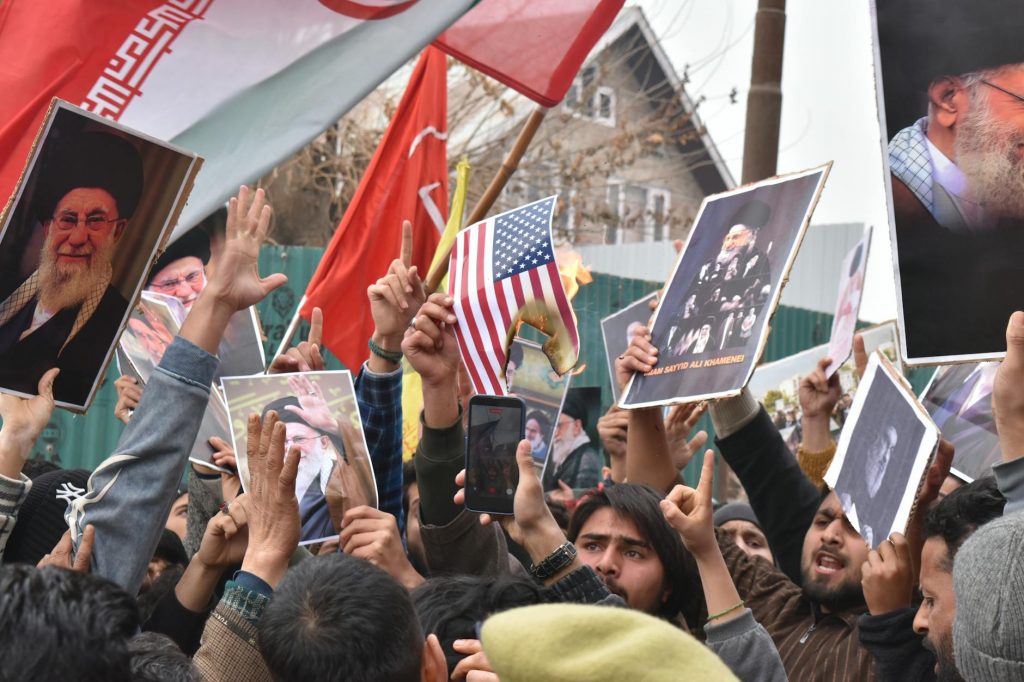
The United States and Iran have been engaged in a delicate dance of diplomacy and aggression, with the latest exchange of strikes sparking concerns of an all-out war. However, despite the heightened tensions, neither side seems interested in escalating the conflict to a full-blown war. The recent attacks have been limited in scope, with the US targeting Iranian-backed militia groups in Syria and Iraq, and Iran retaliating with missile strikes on US bases in Iraq.
The reasons behind this cautious approach are multifaceted. The US, under the Biden administration, has been keen to revive the 2015 nuclear deal, which was abandoned by the previous administration. Iran, on the other hand, has been struggling with a crippling economy, exacerbated by US sanctions, and is desperate for relief. A full-blown war would be catastrophic for both sides, and would likely draw in other regional players, making it a highly unpredictable and potentially disastrous scenario.
Historical Context
To understand the current situation, it’s essential to delve into the historical context of US-Iran relations. The two countries have been at odds since the 1979 Iranian Revolution, which overthrew the US-backed Shah. The subsequent hostage crisis, in which Iranian students stormed the US embassy in Tehran, marked the beginning of a long and tumultuous relationship. Over the years, the US has imposed numerous sanctions on Iran, crippling its economy and limiting its access to the global financial system.
Despite these challenges, Iran has continued to pursue its nuclear program, which the US and its allies believe is aimed at developing a nuclear bomb. The 2015 nuclear deal, also known as the Joint Comprehensive Plan of Action (JCPOA), was designed to limit Iran’s nuclear activities in exchange for relief from sanctions. However, the deal was abandoned by the US in 2018, leading to a significant escalation of tensions between the two countries.
Regional Implications
The US-Iran tensions have significant implications for the region. The conflict has already drawn in other players, including Israel, Saudi Arabia, and the United Arab Emirates. These countries have their own interests and agendas, which often conflict with those of the US and Iran. The situation is further complicated by the presence of Russian and Chinese forces in the region, who are keen to expand their influence and limit US dominance.
The regional implications of the conflict are far-reaching. A full-blown war would disrupt global oil supplies, pushing up prices and exacerbating the economic woes of countries like India, which is heavily dependent on imported oil. It would also lead to a massive refugee crisis, with millions of people displaced from their homes and forced to flee to neighboring countries. The humanitarian consequences would be catastrophic, with widespread suffering and loss of life.
Way Forward
So, what happens next? The US and Iran have both signaled their willingness to negotiate, but the path forward is fraught with challenges. The US has demanded that Iran return to compliance with the JCPOA, while Iran has insisted that the US lift all sanctions before it will consider returning to the deal. The European Union has been trying to broker a compromise, but so far, neither side has been willing to budge.
Despite these challenges, there are reasons to be optimistic. The US and Iran have a long history of diplomatic engagement, and there are many areas of common interest, including the fight against terrorism and the stabilization of the region. With careful diplomacy and a willingness to compromise, it’s possible to find a way forward that addresses the concerns of both sides and reduces the risk of conflict.
For India, the situation is particularly significant. As a major importer of oil from the region, India has a vested interest in stability and peace. The government has been engaging with both the US and Iran, urging restraint and calling for a diplomatic solution. As the situation continues to evolve, India will need to navigate the complex web of alliances and interests, balancing its own needs with the demands of its strategic partners.