
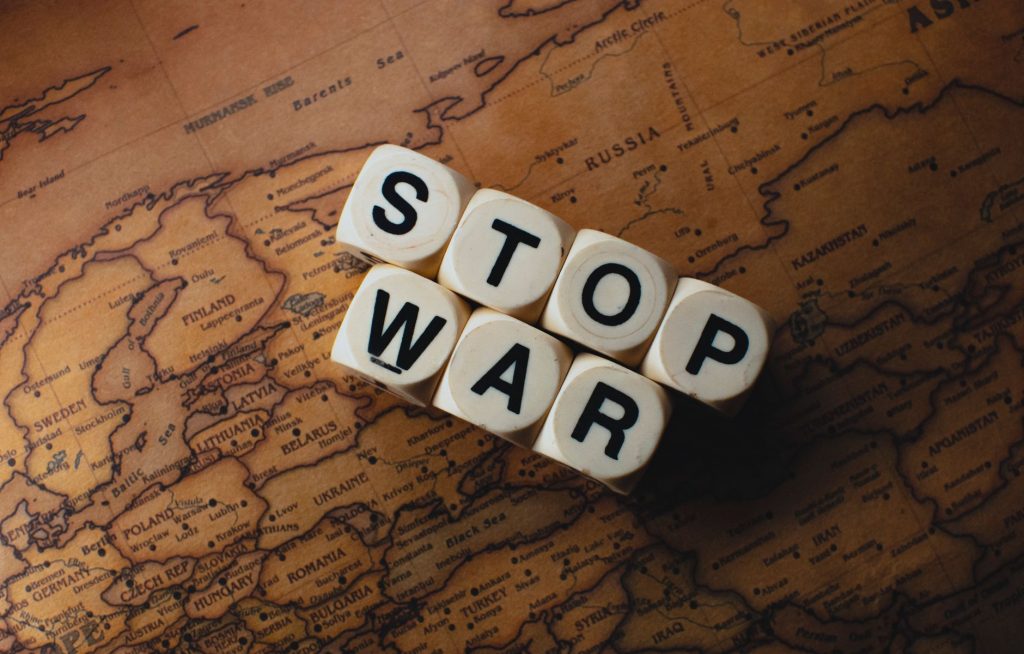
The United States has explicitly stated that the option of military action against Iran remains on the table, leaving the situation dangerously open-ended. This strong stance comes as Qatar actively tries to mediate and revive stalled diplomatic talks between the two nations.
Diplomatic Efforts Amidst Escalation
Despite the persistent threat of war, Qatar has stepped up its efforts to bridge the divide between Washington and Tehran. The Gulf nation, known for its mediation capabilities, is reportedly pushing for renewed dialogue to de-escalate the growing tensions. However, the US’s unwavering commitment to keeping the military option alive casts a long shadow over these diplomatic endeavors, making a breakthrough seem increasingly difficult.
Stalemate and Underlying Issues
The core of the dispute revolves around Iran’s nuclear program and its regional activities. The US, along with its allies, has accused Iran of pursuing nuclear weapons and destabilizing the Middle East. While Iran denies these allegations, the lack of trust and the breakdown of previous agreements have led to a significant impasse. The recent rhetoric from the US signals a potential shift towards a more assertive posture, potentially sidelining diplomatic avenues if Iran doesn’t comply with international demands.
What This Means for India
For India, the escalating tensions in the Persian Gulf region pose significant economic and strategic challenges. India relies heavily on the Middle East for its energy needs, and any conflict could disrupt oil supplies, leading to price hikes and impacting our economy. Furthermore, the presence of a large Indian diaspora in the Gulf region means that regional instability directly affects the safety and well-being of our citizens. A prolonged period of uncertainty or a military conflict would necessitate robust contingency planning to secure energy imports and protect Indian nationals.