
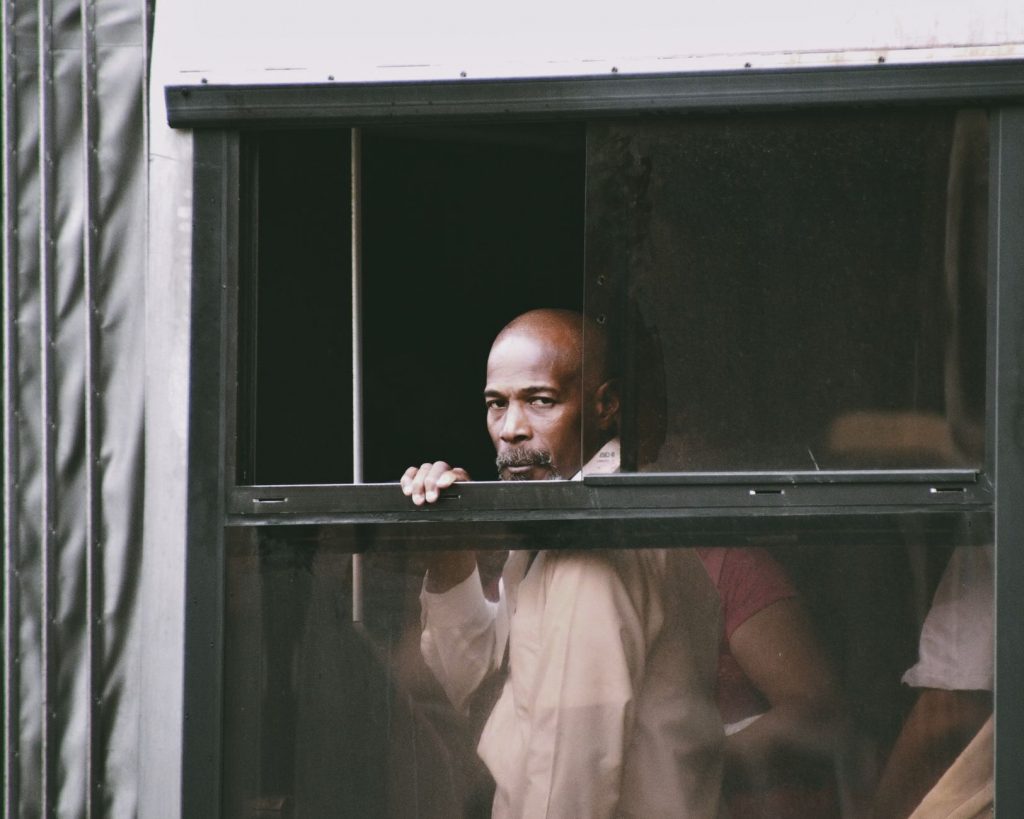
After a nail-biting four-year wait, former US Marine Robert Gilman is finally back on American soil. His release, announced by President Trump as a ‘humanitarian gesture’ from Russia, marks a significant moment for his anxious family, who had expressed grave concerns about his deteriorating health during his long imprisonment.
A Long Ordeal Comes to an End
Mr. Gilman’s journey back home was the culmination of years of diplomatic efforts and, reportedly, intense negotiations. The exact details of the deal that led to his freedom remain somewhat under wraps, but the announcement from the White House emphasized the humanitarian aspect. His family had been vocal about his dire physical condition, painting a grim picture of his struggles in a Russian prison. This news will undoubtedly bring immense relief to them.
Diplomatic Tensions and Human Cost
The case of Robert Gilman highlighted the human cost often hidden behind the headlines of international political standoffs. While governments engage in complex negotiations and sometimes face strained relations, it’s individuals like Mr. Gilman who bear the brunt of these situations. His release, however, could be seen as a positive step, potentially paving the way for improved dialogue between the two nations on other matters. It’s a reminder that even in difficult times, human welfare can be a bridge for understanding.
For us in India, this story offers a unique perspective. We often see news about international relations, but this brings home the very real impact these can have on individuals and their families. It underscores the importance of diplomatic channels and the tireless efforts of families who never give up hope. As Mr. Gilman begins his recovery and reintegration, his story serves as a powerful testament to resilience and the enduring strength of family bonds.