
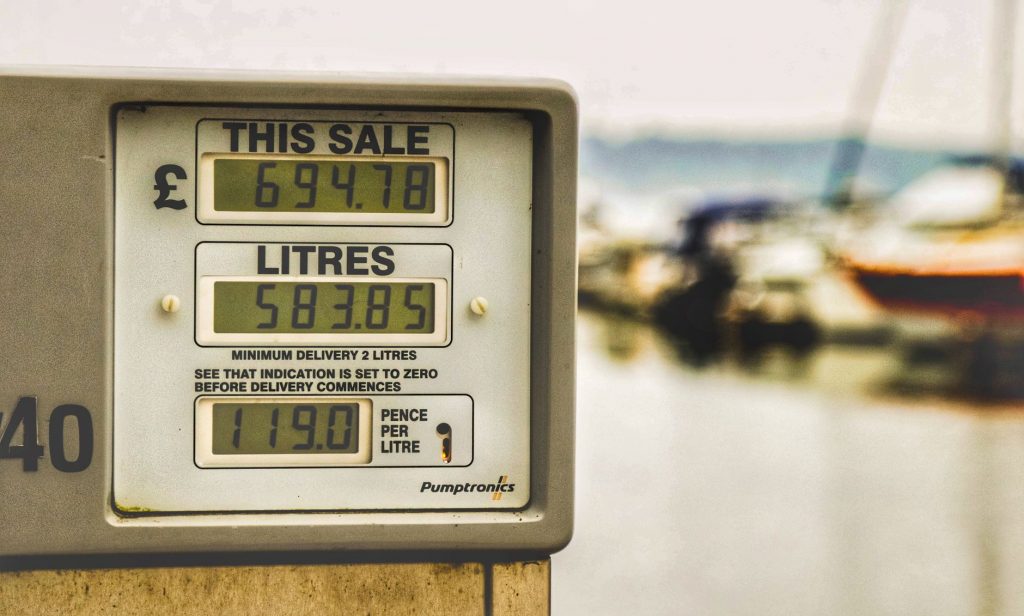
Imagine you’re planning a road trip from Delhi to Jaipur this weekend. You’ve got your fuel tank almost full, but as you hit the highway, you notice the fuel prices have skyrocketed. The reason behind this sudden hike could be the new sanctions bill passed by the US Senate, targeting Russia and Iran.
The US Senate has approved a bill that aims to impose significant economic sanctions on Russia and Iran. This move is a response to the ongoing conflict in Ukraine and Iran’s nuclear program. However, experts warn that this bill could have far-reaching consequences for India, which is heavily reliant on oil imports from these countries.
What does this mean for India?
India imports a substantial amount of oil from Russia and Iran, making it vulnerable to any changes in global oil prices. If the US sanctions are implemented, it could lead to a decline in oil exports from these countries, resulting in higher prices for Indian consumers.
The impact would be felt most by middle-class Indians who rely heavily on their cars for daily commutes. Higher fuel prices would not only affect their pocket but also the economy as a whole. The Indian government would need to find alternative sources of oil or implement policies to mitigate the effects of the price hike.
The Indian government has been trying to diversify its oil imports, but it’s a complex process. India would need to negotiate with other oil-producing countries, invest in its own oil exploration, or find alternative energy sources. This could take time, and in the meantime, Indian consumers might face the brunt of the price hike.
Expert Context: What’s at stake?
Dr. Rohan Kulkarni, an energy expert at the Indian Institute of Science, explains that India’s dependence on oil imports makes it susceptible to global price fluctuations. ‘India’s oil import bill is one of the largest in the world, and any disruption in global oil supplies can have significant economic implications,’ he says.
India’s oil imports from Russia and Iran have been increasing in recent years, making it challenging for the country to find alternative sources. While the US sanctions may not directly affect India’s oil imports, the potential price hike could have a ripple effect on the Indian economy.
The Indian government has been working to reduce its dependence on oil imports by promoting renewable energy sources like solar and wind power. However, the transition to clean energy is a gradual process, and India still relies heavily on fossil fuels.
What’s next for India?
As the US Senate bill awaits President Biden’s signature, Indian policymakers are bracing for the potential impact on oil imports. The government may need to take swift action to mitigate the effects of the price hike, such as imposing taxes on luxury goods or reducing fuel subsidies.
However, some experts believe that the US sanctions could also present an opportunity for India to diversify its energy mix and reduce its dependence on oil imports. ‘This could be a wake-up call for India to accelerate its transition to clean energy and reduce its reliance on fossil fuels,’ says Dr. Kulkarni.
As the situation unfolds, one thing is certain – India’s oil imports will be closely watched by policymakers and energy experts alike. The country’s ability to adapt to the changing global landscape will be crucial in determining the fate of its economy and the lives of its citizens.