
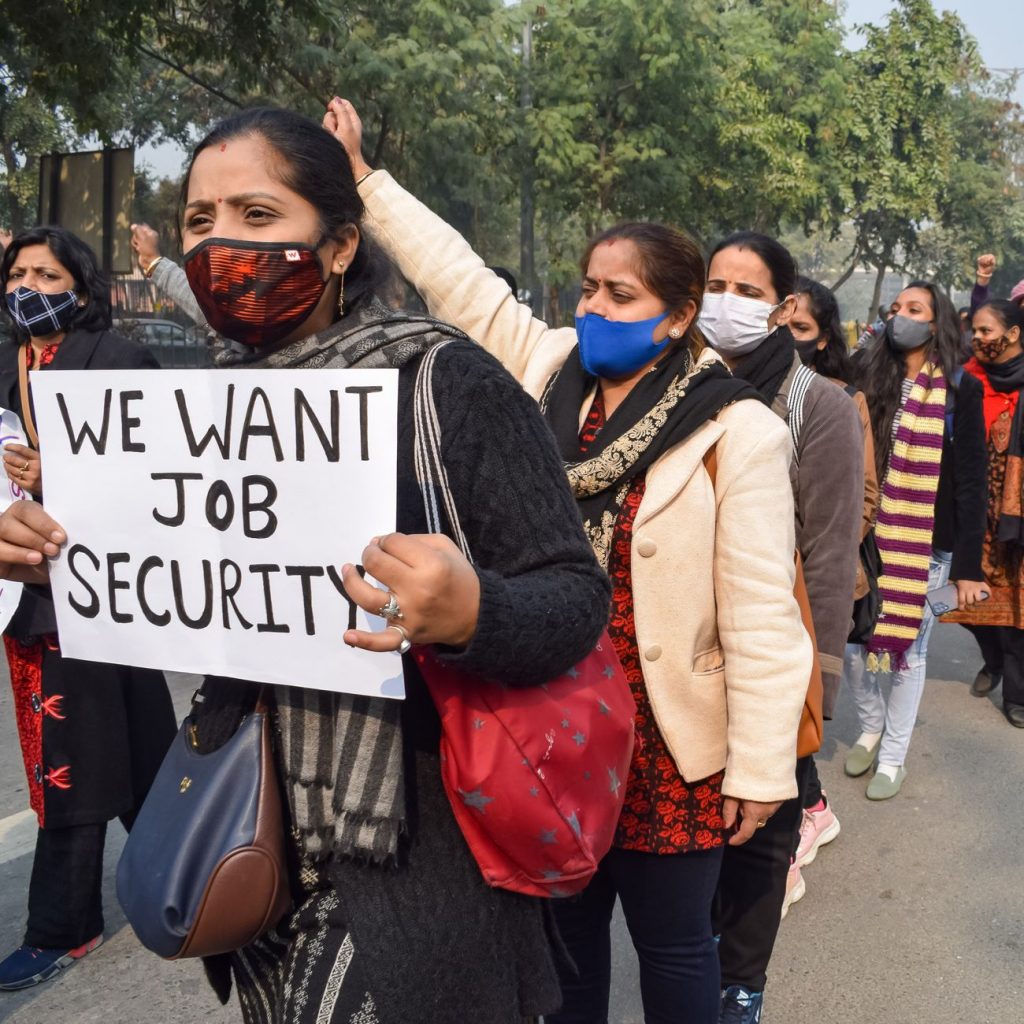
Imagine the buzz in your neighbourhood when a massive new factory or a sprawling IT park is announced – lots of excitement about jobs and progress, right? But what if that development also sparked concerns about the environment or local livelihoods? That’s precisely the sentiment brewing in Visakhapatnam, echoing a similar wave of protest that recently surfaced in Thane, Maharashtra.
The latest flashpoint is Google’s ambitious plan to establish a colossal data centre in the port city of Visakhapatnam. While the tech giant envisions this as a significant step towards enhancing digital infrastructure and potentially creating employment, a growing chorus of local residents and environmental groups are raising red flags. Their primary worries revolve around the immense water consumption required for cooling these advanced facilities and the potential impact on the local ecosystem.
Water Woes and Environmental Concerns
The sheer scale of a data centre necessitates substantial cooling systems, which in turn, demand vast quantities of water. This is a point of contention for many in Visakhapatnam, a region that, like much of India, faces periodic water scarcity. Activists argue that diverting such significant water resources for industrial use, especially for a project that may not directly benefit the immediate community in terms of daily necessities, is unsustainable and potentially inequitable. They are questioning the environmental impact assessments and demanding greater transparency regarding water usage plans.
Echoes of Thane’s Discontent
This isn’t an isolated incident. Just weeks ago, a similar outcry erupted in Thane over a proposed data centre project. Residents there voiced concerns about land acquisition, potential noise pollution, and the environmental footprint of such large-scale industrial installations. The Visakhapatnam situation appears to be a clear indication that the rapid expansion of digital infrastructure, while often framed as purely technological advancement, is increasingly being scrutinized through the lens of local community needs and environmental sustainability across India.
The protests highlight a critical juncture for India’s digital ambitions. As the nation races to build robust digital highways and accommodate the burgeoning demands of a connected population, the siting and operational aspects of massive data centres are coming under the microscope. Experts suggest that a delicate balance needs to be struck between technological progress and safeguarding local resources, requiring proactive engagement with communities and a commitment to environmentally sound practices from corporations.